Choosing the right shrubs can make or break your landscape, especially in Georgia’s heat, humidity, and shifting soil conditions. Instead of relying on high-maintenance plants that struggle to adapt, many homeowners are turning to the best native shrubs for Georgia to create landscapes that are both beautiful and resilient.
Native shrubs are naturally suited to the local climate, meaning they typically require less water, fewer chemical treatments, and minimal upkeep once established. They also support pollinators, birds, and other wildlife that are essential to a healthy ecosystem.
From colorful flowering varieties to evergreen options that provide year-round structure, the best native shrubs for Georgia offer lasting curb appeal while working in harmony with the environment. With the right selections, you can build a landscape that thrives season after season with less effort and greater impact.
Native Shrubs for Georgia That Add Color All Year
Which Native Shrubs Thrive In Georgia’s Climate And Soil Conditions?
Georgia’s long, hot summers and generally mild winters make it a good place to grow many native shrubs, especially once they are established. The biggest advantage of choosing native shrubs is that they are already adapted to local weather swings, regional pests, and the kinds of soils found across the state. That usually translates to fewer inputs over time, along with better performance during heat, humidity, and short dry spells.
American beautyberry is one of the most recognizable options because of its bright purple berries in late summer and fall. It brings strong seasonal interest even when flowers are not the main attraction, and it tends to do well in typical landscape conditions as long as it is not left sitting in soggy soil.
Beautyberry also supports wildlife, especially birds that feed on the berries, which makes it a practical choice for homeowners who want a landscape that feels lively.
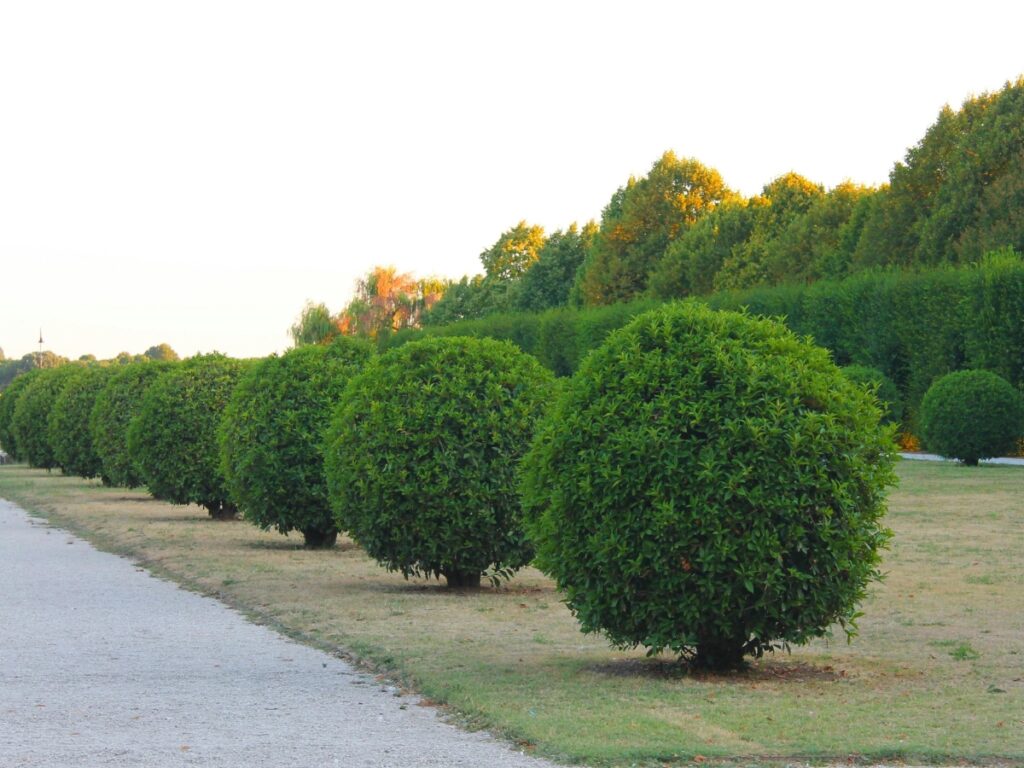
Yaupon holly is another strong performer and is often used when people want structure. It can be shaped into a hedge, used as a foundation shrub, or allowed to grow in a more natural form. It produces small flowers and berries, and it is generally tolerant of heat and a range of soil types once established.
For smaller spaces, dwarf yaupon holly gives a similar look and durability without taking over a bed. It is a useful option for tight foundation plantings, walkway borders, and low hedges where you want a clean look that stays manageable.
These native shrubs do more than fill space. They add texture and seasonal interest, and they also provide shelter and food sources that support local ecosystems. That combination of performance and function is why native shrubs are often a smart base layer in Georgia landscapes.
What Are The Top Drought-Tolerant Shrubs For Georgia Landscapes?
Drought tolerance matters in Georgia, especially during stretches when rain disappears, and lawns and beds dry out quickly. The best approach is choosing native shrubs that establish strong root systems and can handle less frequent watering after the first growing season. Drought tolerance does not mean a shrub never needs water, but it does mean it is less likely to decline the moment conditions get dry.
Wax myrtle is a common choice for this reason. It is adaptable, can handle different soil types, and brings a full, textured look that works well for screening or naturalized borders. Its foliage is aromatic, and it can provide cover for birds. Once established, it is generally resilient and can hold up well in challenging conditions.
Southern arrowwood is another option that fits well into low-maintenance landscapes. It offers spring flowers and has a solid, dependable structure that can work in mixed shrub borders. It also tends to be moderately drought-resistant once it is rooted in.
Farkleberry is less common in typical suburban planting, but it is a strong native shrub for those who want year-round interest. Its glossy foliage and berries can add texture and subtle seasonal change, and it becomes more drought-tolerant as it matures.
It is also worth noting what not to plant. Autumn olive is sometimes mentioned in landscaping conversations, but it is not native to Georgia and is widely considered invasive in many areas. It is generally discouraged in native-focused landscapes because it can spread aggressively and disrupt local plant communities. If the goal is a sustainable yard built around native shrubs, sticking with true natives is the better long-term choice.
Which Shade-Tolerant Native Shrubs Suit Georgia’s Varied Environments?
Shade can be one of the tougher conditions for homeowners, especially in neighborhoods with mature trees or on lots where the house blocks afternoon sun. The good news is that Georgia has several native shrubs that not only tolerate shade but actually prefer it. Choosing shade-friendly native shrubs helps these areas look intentional instead of sparse, and it reduces the cycle of planting, struggling, and replacing.
Mountain laurel is a standout for woodland-style landscapes, with showy blooms and a classic look that works well under tree canopies. It tends to perform best in the kind of filtered light you find along wooded edges rather than deep, heavy shade.
Fetterbush is another strong option for shady areas, offering evergreen foliage and flowers that add interest without needing full sun. It can be especially useful when you want year-round structure in a spot where many plants fade out.
Sweetspire is known for its fragrant white blooms and strong fall color, and it can adapt to a range of light conditions. It often does well in partial shade, and it can also handle more sun if moisture is consistent. That flexibility makes it an easy fit in many Georgia yards where sun patterns shift through the day.
When you build beds with native shrubs suited to sun, drought, or shade, the landscape becomes easier to maintain and more reliable year to year. The result is a yard that looks fuller, supports wildlife, and performs well in Georgia conditions without constant intervention.
How Do Native Shrubs Support Biodiversity And Wildlife In Georgia?
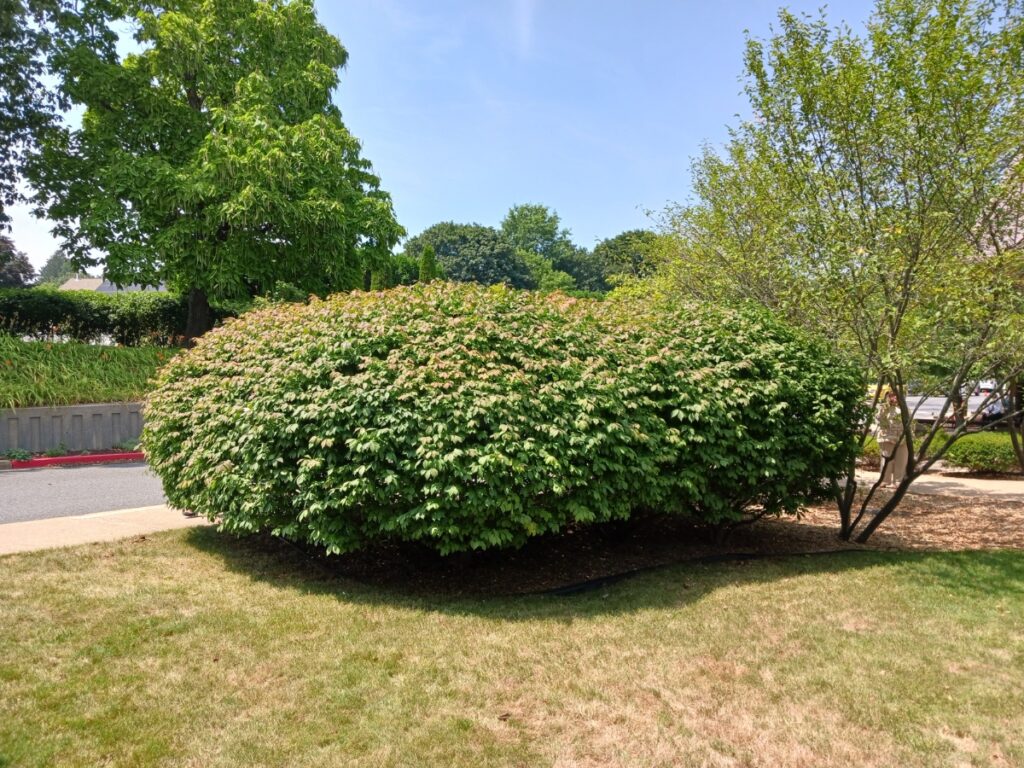
Native shrubs do more than fill space in a landscape. In Georgia, they help support biodiversity by providing food, shelter, and nesting cover for local wildlife, while also fitting the climate in a way that typically requires fewer inputs over time.
When homeowners choose native shrubs, they are often building a yard that functions more like a healthy ecosystem, not just a decorative planting bed. That shift can matter in small ways, like seeing more birds and pollinators, and in bigger ways, like supporting habitat in neighborhoods where natural areas have been reduced.
Because native shrubs evolved alongside local insects, birds, and soil conditions, they tend to “match” the needs of local wildlife better than many ornamental plants. Flowers can provide nectar and pollen, foliage can host caterpillars and beneficial insects, and berries can offer food at times when other sources are limited.
Native shrubs also help create layers in the landscape, with cover closer to the ground that birds and small animals can use for protection. Even a modest planting can increase habitat value, especially when shrubs are grouped together rather than scattered as single specimens.
Another benefit is resilience. A landscape built around native shrubs often handles Georgia heat and humidity with less stress, which means fewer plant losses and fewer replacements. That stability matters for biodiversity because wildlife benefits from predictable food and shelter sources year after year, not a landscape that changes completely every season.
Which Native Shrubs Attract Pollinators And Local Wildlife?
Some of the most useful native shrubs in Georgia are the ones that offer multiple benefits at once. American beautyberry is a good example. It produces berries that are well known for attracting birds, and its flowers can draw in pollinators during bloom season. It also provides a natural, arching form that creates cover in mixed borders, which birds often appreciate.
Yaupon holly is another strong option for wildlife-friendly landscapes. Its flowers provide nectar for pollinators, and the berries can be an important food source for birds, especially when other options are scarce.
Yaupon also brings structure, which helps a yard feel full and provides shelter through different seasons. If you have space for a hedge or a screen, yaupon can serve a design purpose while still supporting wildlife.
Sweetspire is often chosen for its flowers and fall color, but it also plays well with pollinators. Its fragrant blooms can attract bees and butterflies, and its growth habit works nicely in borders where you want a natural look without sacrificing a clean design. When planted in groups, sweetspire can create a stronger “landing zone” for pollinators, which is one reason clustered planting is usually more effective than one shrub placed alone.
If your goal is to support wildlife, it helps to mix native shrubs that bloom at different times and offer different food sources. That way, the yard provides something useful across seasons rather than only during one short window.
What Role Do Native Shrubs Play In Enhancing Urban Biodiversity?
In cities and suburbs, biodiversity often depends on the small green spaces people plant around homes, sidewalks, and parks. Native shrubs can make those spaces more valuable because they create habitat where there might otherwise be only turf grass or decorative plants that do not offer much to wildlife.
In Georgia, where development can reduce natural habitat, a yard with native shrubs can act as a stepping stone, helping birds and pollinators move through a neighborhood more easily.
Native shrubs also provide practical environmental benefits that matter in urban areas. They can help reduce stormwater runoff by improving soil structure and slowing water movement during heavy rain. Their roots stabilize soil, and dense planting areas can absorb water more effectively than bare ground or heavily compacted lawns. Over time, this supports healthier yards and can reduce the mess that comes with erosion and pooling water.
Shrubs also contribute to cooling. In urban and suburban settings, plant cover helps reduce heat buildup by shading soil and nearby surfaces. While shrubs alone will not solve the heat island effect, they can make yards more comfortable and reduce stress on plants that struggle in full sun. A layered landscape with trees, native shrubs, and groundcover tends to create a more balanced microclimate than a wide-open lawn.
For homeowners who want a yard that looks good and supports the environment, native shrubs are one of the easiest places to start. They fit Georgia conditions, they bring structure and seasonal interest, and they provide real ecological value.
When planted thoughtfully, native shrubs help create landscapes that are attractive, resilient, and more connected to the local ecosystem.
What Are the Best Practices for Designing with Native Shrubs in Georgia Landscapes?
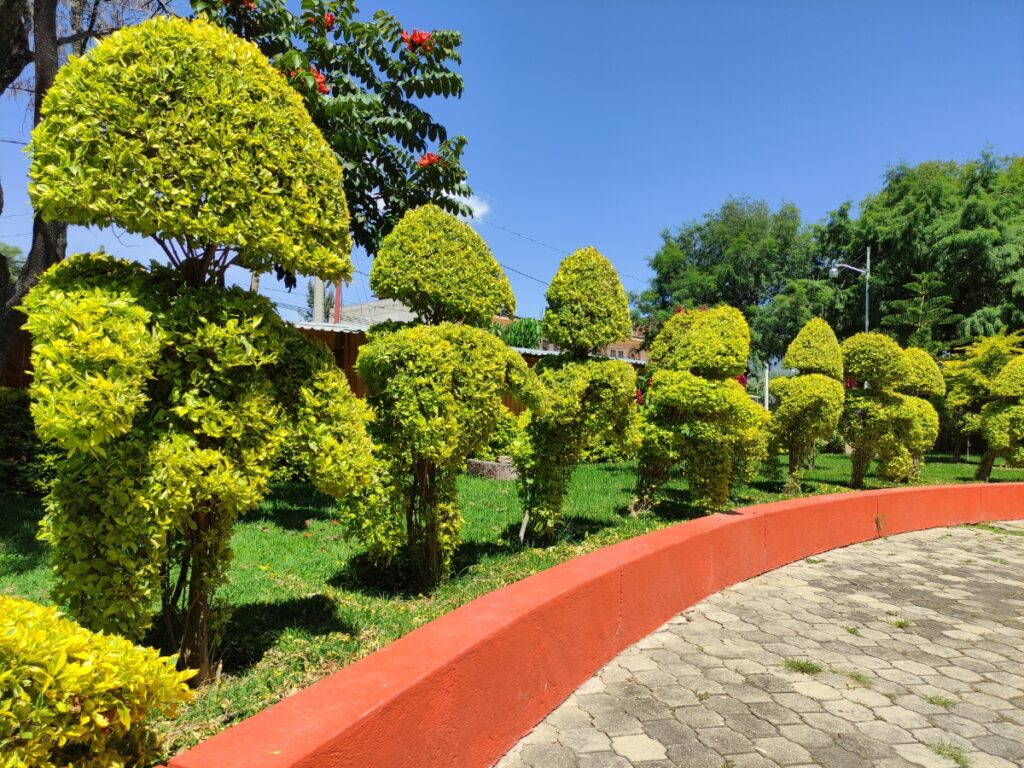
Designing with native shrubs is one of the easiest ways to build a Georgia landscape that looks good, holds up in heat and humidity, and supports local wildlife without constant upkeep.
The key is planning for how shrubs actually live in a yard, not just how they look the day they are planted. Native shrubs thrive when the right plant is matched to the right spot, when they have space to mature, and when the design uses repetition and layering instead of a scattered, one-of-everything approach.
A strong starting point is selecting species based on your conditions. Sun exposure, drainage, and soil type make a bigger difference than most people expect. A shrub that can handle full sun may struggle in deep shade, and a shrub that likes moist soil may fail in a spot that dries out quickly.
When homeowners choose native shrubs because they are “low maintenance” but ignore site conditions, the results can be disappointing. When they choose native shrubs that fit the site, the landscape usually becomes easier, not harder.
Grouping is another best practice that improves both appearance and function. Planting shrubs in clusters creates a more natural look and makes the bed feel intentional. It also provides better habitat than single plants scattered around the yard.
Birds and beneficial insects are more likely to use a planting area that offers cover and consistent food sources. Clusters also help the design read more clearly from a distance, especially in front-yard beds where structure matters.
Seasonal interest ties everything together. Native shrubs can provide flowers, berries, changing foliage, and evergreen structure, depending on what you choose. When you mix shrubs with different types of interest, the landscape looks finished across the year, not just during one season.
This is especially useful in Georgia, where summer can be long and bloom-heavy beds can fade if they are not designed with more than flowers in mind.
How To Incorporate Native Shrubs Into Custom Landscape Designs?
Custom design starts with understanding each shrub’s growth habit. Some native shrubs are upright and work well as a backdrop. Others spread and fill space, making them better for mass plantings or naturalized borders. When you know how a shrub grows, you can place it where it supports the design instead of constantly fighting it with pruning.
Layering is one of the most effective design strategies. Use taller shrubs toward the back of beds or along fences, medium shrubs in the middle, and lower shrubs along the front edge to create depth.
This structure makes the landscape look fuller and helps connect the home to the yard visually. It also gives you room to add perennials or groundcovers without overcrowding. A layered layout is often what separates a landscape that feels planned from one that feels random.
Naturalistic planting is another approach that works well with native shrubs. Instead of lining plants up in straight rows, you can group shrubs with complementary plants in a way that feels more organic.
This does not mean messy. It means repeating a few plant types, varying the spacing slightly, and pairing shrubs with plants that have similar water and light needs. The result looks more natural and usually performs better over time.
Native shrubs can also serve practical roles in the design. They can be used for privacy screening, softening the edges of patios, or creating windbreaks in open areas. When shrubs are chosen for both function and appearance, the landscape tends to feel more intentional and useful, not just decorative.
What Are Effective Placement Strategies For Native Shrubs?
Placement is where most long-term success happens. Start with sunlight. Know which areas get full sun, which get part shade, and which stay shaded most of the day. Place shrubs where they match those conditions so they can grow without constant stress.
In Georgia yards, it is common for sun patterns to shift as trees mature, so it is worth considering how the landscape might change over time.
Soil and drainage are just as important. If you are not sure how your soil behaves, watch where water sits after a heavy rain. Areas that stay soggy need shrubs that tolerate moisture, while higher, drier areas need shrubs that can handle less consistent watering.
Soil testing can help, but you do not have to overcomplicate it. Even basic observation can prevent common problems like root rot in low spots or drought stress on sunny slopes.
Spacing is the other major placement detail. Shrubs need room to mature. Planting too close together might look full at first, but it can lead to poor airflow, increased disease risk, and constant pruning just to keep plants from swallowing the bed.
A better strategy is spacing shrubs based on their mature size so they grow into the design naturally. You can fill gaps early with perennials or groundcovers, then let the shrubs become the main structure over time.
When native shrubs are selected carefully, grouped thoughtfully, and placed based on real site conditions, they become one of the most reliable parts of a Georgia landscape. They provide structure, seasonal interest, and habitat value, all while reducing the long-term maintenance cycle that comes with less-adapted plant choices.
How Should Homeowners Maintain Native Shrubs for Long-Term Health and Aesthetic Appeal?
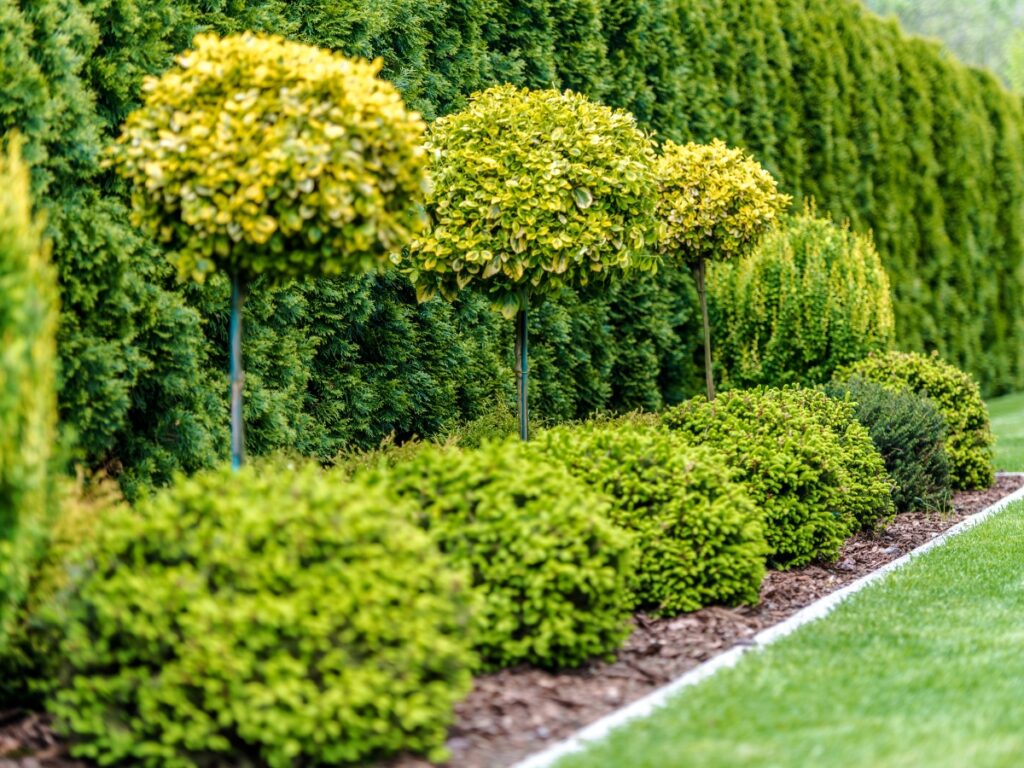
Native shrubs are popular in Georgia because they can look great without needing constant attention, but “low maintenance” does not mean “no maintenance.”
A little seasonal care helps native shrubs stay healthy, fill in properly, and keep the landscape looking intentional instead of overgrown. The goal is to support strong root systems, reduce stress during heat and drought, and keep the shrubs shaped in a way that fits your beds and walkways.
Pruning is one of the simplest ways to keep native shrubs healthy and attractive. Instead of frequent shearing, focus on selective pruning that removes dead, damaged, or crossing branches and improves airflow through the plant. This helps reduce disease risk and encourages better growth.
Timing matters too. Many shrubs respond best to pruning after their main flowering period, while late-winter cleanup works well for removing storm damage or dead wood before spring growth starts. If you are unsure, a light approach is usually safer than aggressive cutting, especially with shrubs that naturally have a loose or arching habit.
Watering is most important during establishment. Even drought-tolerant native shrubs need consistent moisture in their first season while roots expand. After that, many native shrubs can handle typical rainfall, but they may still need supplemental water during prolonged dry spells, especially in full sun or on sandy or sloped areas that dry out quickly.
When you do water, it is better to water deeply and less often, which encourages roots to grow down rather than staying near the surface.
Mulching is another practical habit that supports long-term health. A mulch layer helps retain moisture, moderates soil temperature during extreme heat, and reduces weeds that compete for water and nutrients.
Keep mulch a few inches away from the base of the shrub so the stems do not stay damp, which can lead to rot. Over time, mulch also improves soil texture as it breaks down, which is helpful in many Georgia landscapes where soil can be compacted or heavy.
What Are The Low Maintenance Requirements Of Georgia Native Shrubs?
One of the biggest advantages of native shrubs is that they are adapted to local conditions. Once established, many native shrubs need less watering than non-native ornamentals, which is helpful during hot Georgia summers. Drought resistance is common, but it is still influenced by placement.
A drought-tolerant shrub planted in deep shade with poor airflow may struggle, while the same shrub in the right sun and soil conditions can thrive with minimal help.
Native shrubs can also be more resilient against local pests and diseases, though no plant is completely immune. The main difference is that native plants often recover better and require fewer chemical treatments when they are grown in conditions they prefer. Healthy soil, proper spacing, and good airflow usually do more to prevent issues than any spray schedule.
Pruning needs are typically lighter as well. Many native shrubs look best when allowed to keep their natural shape, with occasional thinning rather than heavy shaping. If you choose native shrubs that fit the space at their mature size, you avoid the constant trimming cycle that happens when a plant outgrows its bed. That is one of the most overlooked parts of “low maintenance,” and it starts with choosing the right shrub for the right location.
How To Manage Seasonal Care For Native Shrubs In Atlanta And Surrounding Areas?
Seasonal care keeps native shrubs looking consistent throughout the year, and it helps you catch small issues before they become bigger problems. In spring, focus on cleanup and preparation. Remove any dead or damaged branches from winter weather, check for signs of stress, and refresh mulch if it has thinned.
Spring is also a good time to make sure shrubs are not being crowded by new growth from nearby plants. If airflow is blocked, thin lightly to reduce humidity buildup inside the shrub.
Summer care is mostly about monitoring. Atlanta summers can be tough, especially during dry stretches. Keep an eye on newly planted native shrubs first, since they are the most vulnerable. Water when the soil is dry several inches down, and avoid frequent shallow watering that encourages weak roots.
Also, watch for pests, but do not assume every chewed leaf is a problem. A healthy native shrub can usually tolerate some insect activity, and some of that activity supports birds and beneficial insects.
Fall is a good time to assess shape and overall health. Many homeowners also use fall to plant or transplant native shrubs because warm soil and cooler air help roots establish with less stress. If you fertilize, keep it light and only as needed, since overfeeding can push soft growth at the wrong time.
Before winter, make sure shrubs are not stressed from drought. A deep watering before a cold snap can help prevent winter damage, especially for newer plantings.
With steady, simple care, native shrubs can stay healthy and attractive for years. When they are watered properly during establishment, pruned with a light hand, and supported with mulch and good spacing, they become one of the most reliable parts of a Georgia landscape.
Which Native Shrub Species Are Recommended by Legacy Landscape Design for Georgia Properties?
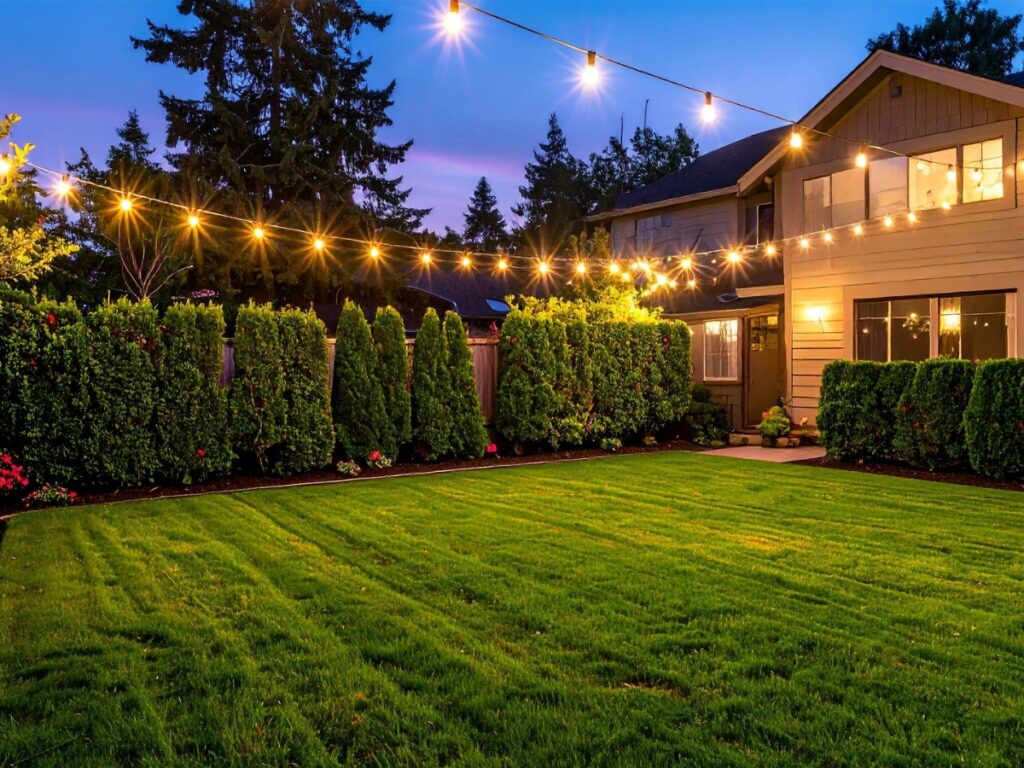
When homeowners ask which native shrubs are best for Georgia landscapes, the most helpful answers usually focus on shrubs that look good across multiple seasons and perform well in local conditions.
Two reliable options that fit that description are oakleaf hydrangea and American beautyberry. Both are well-suited to Georgia yards, both add strong visual interest, and both support wildlife in ways that make the landscape feel more active and balanced.
Oakleaf hydrangea is often chosen for its large blooms and bold foliage. It has a presence that works well in foundation beds, woodland borders, and mixed plantings where you want a shrub that can carry a space without needing constant replanting around it.
It also brings seasonal change, with leaves that add texture through the growing season and a strong fall display in many settings. For homeowners who want native shrubs that feel classic and substantial, oakleaf hydrangea is a dependable pick.
American beautyberry is another standout, especially when you want color that shows up later in the year. Its berries are the feature most people remember, and they can add noticeable interest in late summer and fall when many flowers slow down. Beautyberry also has a more natural growth habit that works well in wildlife-friendly landscapes and mixed borders. If you prefer a yard that feels a little less formal and more layered, beautyberry fits easily into that style.
Together, these two native shrubs cover a lot of ground. One brings showy blooms and structure, the other brings berries and seasonal interest that extends into fall. They also play different roles in a design, which makes them useful for homeowners building a landscape with variety.
What Are The Botanical And Ecological Attributes Of Oakleaf Hydrangea And Beautyberry?
Oakleaf hydrangea is known for large flower clusters and distinctive leaves that give the plant a bold look even when it is not in bloom. It tends to perform best in part shade or filtered light, which makes it a strong choice for yards with mature trees or areas that get relief from harsh afternoon sun.
It also offers strong seasonal interest, since its foliage can shift in fall and its structure remains noticeable after flowers fade. From an ecological standpoint, oakleaf hydrangea can support pollinators during bloom season and add shelter value when used in layered plantings.
Beautyberry has a different kind of appeal. Its flowers are smaller, but the berries are what provide the major visual impact. Those berries also support birds, which is one reason beautyberry is often included in wildlife-friendly plans.
It can handle a range of conditions, although it usually looks best when it has room to spread naturally rather than being pruned into a tight shape. In addition to wildlife value, beautyberry can help with practical landscape goals like stabilizing soil on gentle slopes or filling in mixed borders where you want coverage and seasonal change.
A simple way to think about these native shrubs is that oakleaf hydrangea provides structure and bloom impact, while beautyberry adds seasonal color and wildlife support later in the year. When you plant them with complementary perennials and groundcovers, they help create a landscape that looks intentional without needing constant upkeep.
How Do These Species Align With Sustainable Landscaping Goals?
Sustainable landscaping is often about choosing plants that perform well without heavy inputs. Native shrubs support that goal because they are adapted to Georgia’s climate patterns and typically require less intervention once established. Oakleaf hydrangea and beautyberry both fit this approach when they are placed correctly and given time to root in.
One sustainability benefit is biodiversity support. Oakleaf hydrangea can attract pollinators when it blooms, while beautyberry provides berries that birds use as a food source. When homeowners plant native shrubs in groups rather than as single specimens, the habitat value increases and the landscape becomes more functional for wildlife. This is especially helpful in suburban areas where natural habitat has been reduced.
Water use is another factor. Once established, many native shrubs can handle typical Georgia rainfall and may only need supplemental watering during prolonged dry spells. That does not mean they never need water, especially during the first growing season, but they are generally more resilient than shrubs that are not adapted to the region.
Finally, these shrubs support aesthetics without relying on constant seasonal swapping. Oakleaf hydrangea offers showy blooms and bold foliage, while beautyberry adds striking berries that extend interest into fall. That mix helps homeowners build a yard that stays attractive across seasons, which is one of the main reasons native shrubs are a strong foundation for Georgia landscapes.
How Can Clients Consult A Landscape Designer For Custom Native Shrub Projects?
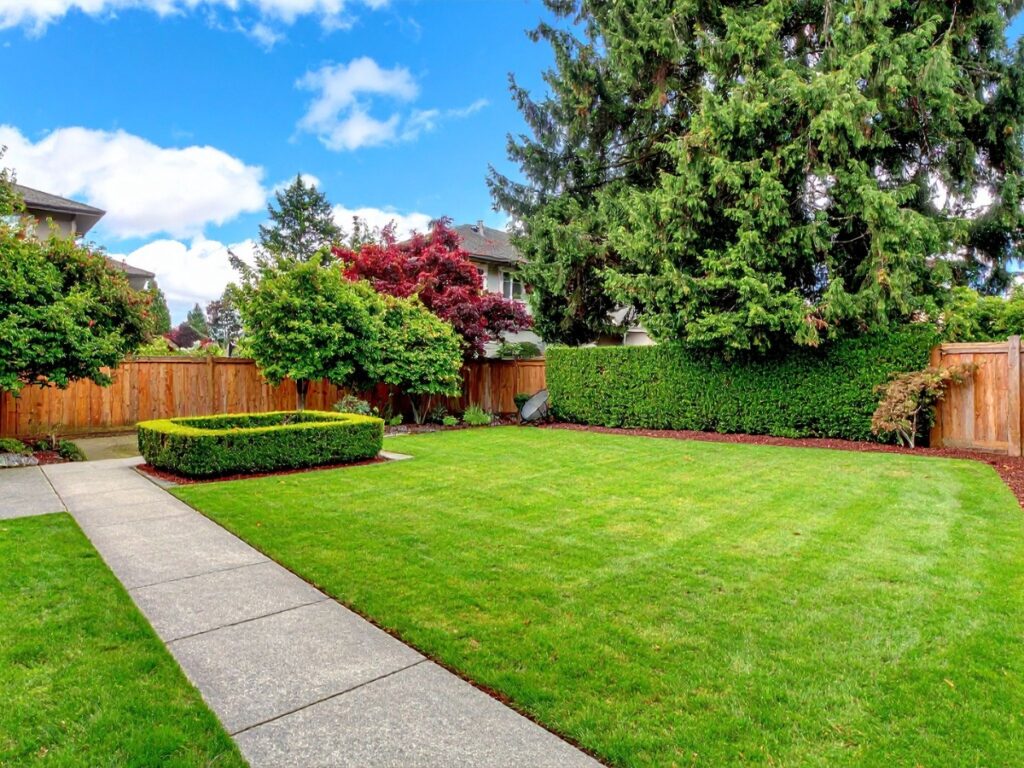
Homeowners who want to build a landscape around native shrubs usually get the best results when they start with a clear plan. Native shrubs are adaptable, but placement still matters, and a good design can prevent common issues like overcrowding, poor bloom performance, or plants that struggle because the site conditions were misread.
A consultation with a landscape designer is typically the first step toward a more cohesive layout, especially if you are trying to balance privacy, curb appeal, and wildlife value in the same space.
Most consultations begin with an evaluation of the property and a conversation about goals. Some clients want a structured foundation planting that looks tidy year-round. Others want a naturalized border that supports birds and pollinators. Many people want both, just in different parts of the yard.
A designer can help translate those goals into plant choices and a layout that uses native shrubs in a way that fits the home and the site. This is also where practical constraints come in, such as drainage problems, shade patterns from mature trees, or areas that dry out quickly in summer.
From there, the process usually moves into a design phase. A good design is more than a plant list. It includes spacing based on mature size, a plan for seasonal interest, and a layout that makes maintenance manageable. When native shrubs are used thoughtfully, they can provide structure, seasonal change, and habitat value, while still keeping the yard clean and intentional in appearance.
What Is The Consultation Process For Native Shrub Landscape Projects?
A typical process starts with scheduling an initial conversation and setting a time for a site visit. During the visit, the designer evaluates conditions like sunlight, soil drainage, existing plants, and problem areas where the landscape has struggled in the past.
This is also when the homeowner shares preferences, such as whether they want more color, more privacy, lower maintenance, or better wildlife support. Discussing how you use the space matters too, since native shrubs might be used differently near an entryway than they would along a backyard fence line.
After the site visit, the designer develops a proposal that outlines a recommended approach. This usually includes the overall layout concept, native shrub selections, and how those shrubs will be placed for both appearance and performance. It also typically covers project scope and cost considerations.
This step is important because it keeps the project from becoming a series of disconnected decisions. With native shrubs, the long-term look depends on spacing and grouping, so planning it on paper first helps avoid problems later.
Once the proposal is reviewed and refined, the project moves into implementation. Installation is where correct planting depth, soil preparation, and initial watering practices matter most.
Even native shrubs need thoughtful installation to establish properly, and a professional plan usually accounts for how the plants will transition through their first growing season. When the process is structured, homeowners end up with a landscape that looks good right away and also grows into the design over time.
How Does 3D Landscape Design Enhance Visualization And Decision-Making?
3D design tools can make the planning process easier, especially for homeowners who struggle to picture how plants will look at maturity. Native shrubs often start smaller than people expect, and they can look sparse at installation even though they will fill in significantly over time. A 3D rendering helps bridge that gap by showing what the layout will look like as the shrubs grow and the bed lines settle in.
This kind of visualization can also help with decision-making around scale and placement. Seeing a design in a realistic format makes it easier to determine whether a privacy screen is tall enough, whether a foundation planting feels balanced, or whether a shrub grouping will look too dense near a walkway.
It can also help homeowners compare different options, such as choosing between a more formal look versus a naturalized border, without relying only on imagination.
Another advantage is clearer communication. When both the designer and the homeowner are looking at the same visual plan, it reduces misunderstandings about what is being installed and why. That clarity is especially useful with native shrubs because the design often depends on repetition, layering, and spacing that can be hard to visualize from a simple plant list.
If you are considering a custom plan built around native shrubs, a consultation and a clear design process can help you choose plants that match your site, avoid common layout mistakes, and create a landscape that looks intentional for years instead of needing constant rework.
Conclusion
Choosing native shrubs for your Georgia landscape is an investment in sustainable beauty, offering plants that thrive naturally in our climate while supporting local wildlife and requiring less water and maintenance.
From flowering favorites like oakleaf hydrangea to evergreen structure provided by mountain laurel, these resilient choices create a landscape that feels authentically Southern.
For expert guidance in selecting and incorporating the best native shrubs into your property, trust Legacy Landscape Design. Ready to create a landscape that belongs here? Call 770-427-2026 or fill out our contact form today for a consultation. Let’s cultivate a garden that celebrates Georgia’s natural heritage.