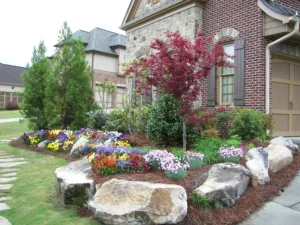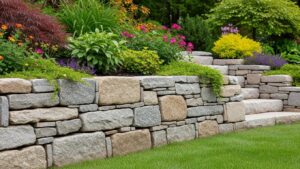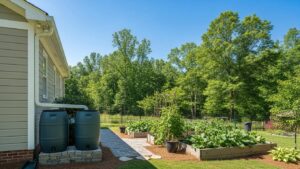
Georgia’s weather can shift quickly from calm sunshine to heavy rain, strong winds, and severe storms. Without thoughtful planning, these conditions can damage plants, erode soil, and leave yards struggling to recover after extreme weather.
Storm-resistant landscaping solutions for Georgia focus on designing outdoor spaces that can better withstand these challenges while still looking attractive year-round.
Strategic plant selection, proper grading, durable hardscape features, and erosion control techniques all play a role in protecting your landscape. Native and deep-rooted plants, for example, can help stabilize soil and reduce the impact of heavy rainfall.
With the right storm-resistant landscaping solutions for Georgia, homeowners can create outdoor environments that remain resilient, functional, and visually appealing even when the weather becomes unpredictable.
Designing Landscapes for Extreme Weather Conditions
What Are The Key Challenges Of Landscaping In Georgia’s Extreme Weather?
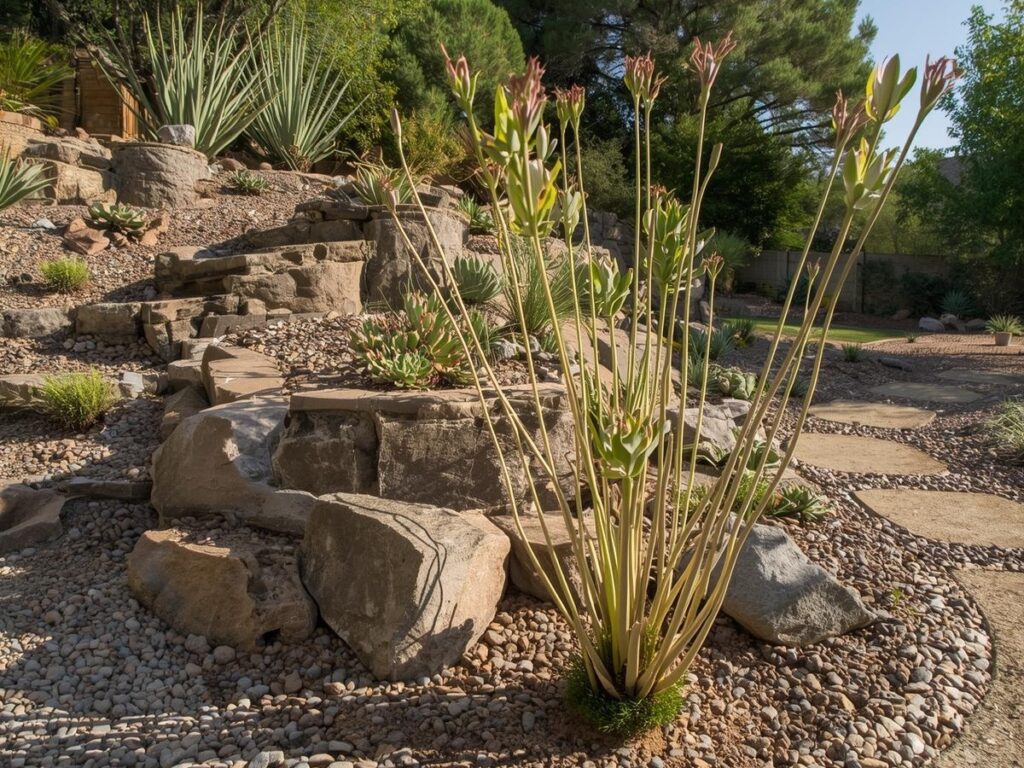
Landscaping in Georgia requires careful planning because the state regularly experiences challenging climate conditions. Hot summers, high humidity, sudden storms, and changing rainfall patterns all influence how landscapes grow and survive. These factors make it important for property owners and landscape designers to choose plants, materials, and layout strategies that can withstand extreme weather.
Georgia’s climate can shift quickly throughout the year. Extended heat during the summer months can stress plants and dry out soil, while heavy rainfall or strong storms can lead to erosion and drainage problems. These conditions create a landscape environment that requires both durability and flexibility.
Planning for extreme weather in Georgia often means designing landscapes that can adapt to both drought and heavy rain. Landscapes that rely on delicate plants or poor drainage systems may struggle to survive these changes.
By contrast, landscapes designed with climate resilience in mind tend to require less maintenance and remain healthier over time.
How Extreme Weather Affects Landscape Design
Extreme weather conditions play a major role in how landscapes are designed across the region. In Georgia, prolonged heat and humidity can weaken plants that are not suited to the climate. Soil can also dry out quickly during hot periods, especially in areas with limited shade.
Rainfall patterns present another challenge. While some periods bring dry conditions, other times bring intense rainfall that can overwhelm soil and drainage systems. When landscapes do not account for this variability, problems such as water pooling, root rot, and soil erosion may occur.
Landscape designers often address extreme weather by choosing plants that tolerate heat and irregular rainfall. Drought-tolerant plants can continue growing during dry spells, while proper drainage solutions help landscapes handle heavy storms. Grading, drainage channels, and permeable materials can help move water away from planting areas and structures.
These design adjustments allow landscapes to remain functional and visually appealing even when weather conditions become unpredictable. By accounting for temperature extremes and rainfall variability, property owners can create outdoor spaces that remain stable throughout the year.
The Role Of Climate Resilient Plant Selection
Plant selection is one of the most important steps in managing extreme weather conditions. Plants that naturally thrive in the region tend to perform better than those adapted to cooler or drier climates. For this reason, many landscape plans focus on species that are well-suited to Georgia’s environment.
Native plants are often a reliable option because they have adapted to local soil, rainfall, and temperature patterns. These plants typically require less irrigation and maintenance compared with non native varieties. They are also more likely to withstand periods of intense heat or heavy rain.
Using plants suited to extreme weather conditions can offer several advantages for long-term landscape health:
- Native species often tolerate Georgia’s heat and humidity more effectively
- Drought-tolerant plants can survive dry periods with less irrigation
- Deep root systems help stabilize soil during heavy rainfall
When plants are selected carefully, landscapes become more resilient and easier to maintain. Instead of constantly replacing damaged plants, property owners can rely on vegetation that is already suited to the region.
Water Management And Irrigation Considerations
Water management is another key factor when designing landscapes in Georgia. Because rainfall patterns can change quickly, irrigation systems must support both efficiency and flexibility. During dry periods, irrigation helps maintain soil moisture and plant health. During wetter conditions, proper drainage prevents water from accumulating in planting beds.
Efficient irrigation systems often include timers, moisture sensors, and drip irrigation lines. These systems help deliver water directly to plant roots while minimizing waste. By controlling how and when water is applied, landscapes remain healthier even during periods of extreme weather.
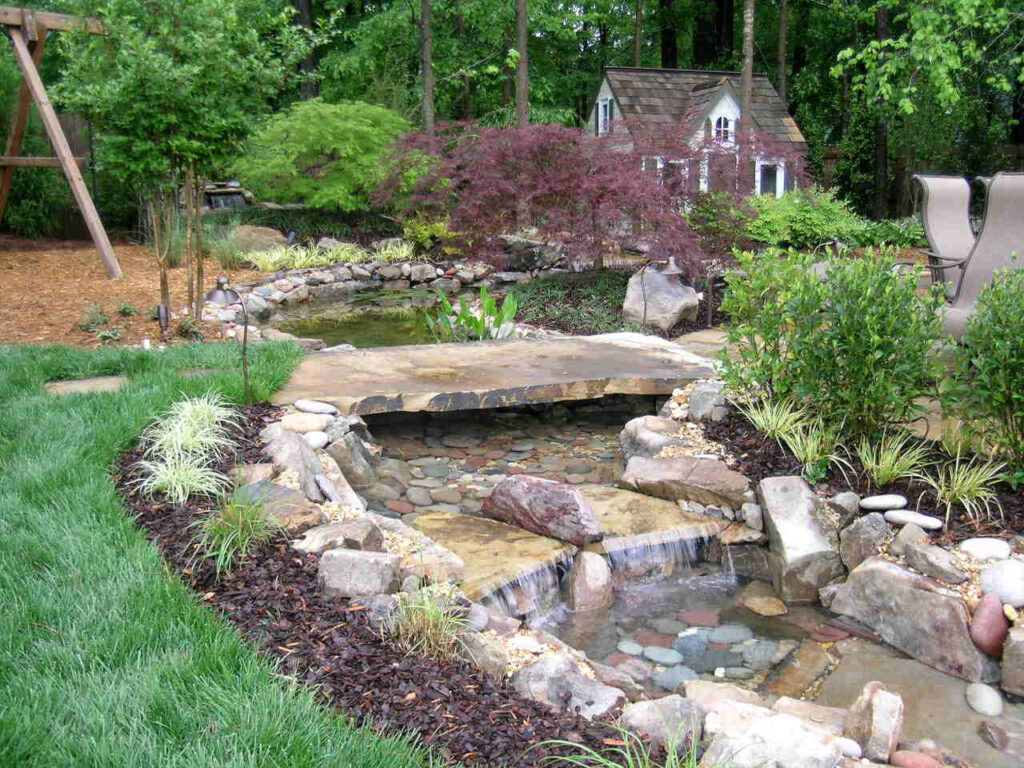
Drainage design is equally important. Landscapes that include proper grading, permeable pathways, and drainage channels can handle heavy rainfall more effectively. These features help prevent soil erosion and protect plant roots from standing water.
Building Landscapes That Withstand Extreme Weather
Designing landscapes that perform well in Georgia requires a balanced approach. Heat tolerance, moisture management, and plant selection must all work together to create a durable outdoor environment. Landscapes built with these principles tend to remain stable even as weather conditions shift throughout the year.
Extreme weather does not have to limit landscape success. Instead, it can guide the design process toward more resilient and practical solutions. By selecting climate-appropriate plants, incorporating efficient irrigation, and planning for drainage, landscapes can adapt to Georgia’s changing conditions.
With thoughtful planning and the right materials, outdoor spaces can remain healthy, functional, and visually appealing even when extreme weather becomes part of the seasonal cycle.
How Can Custom Landscape Design Enhance Storm Preparation In Georgia?
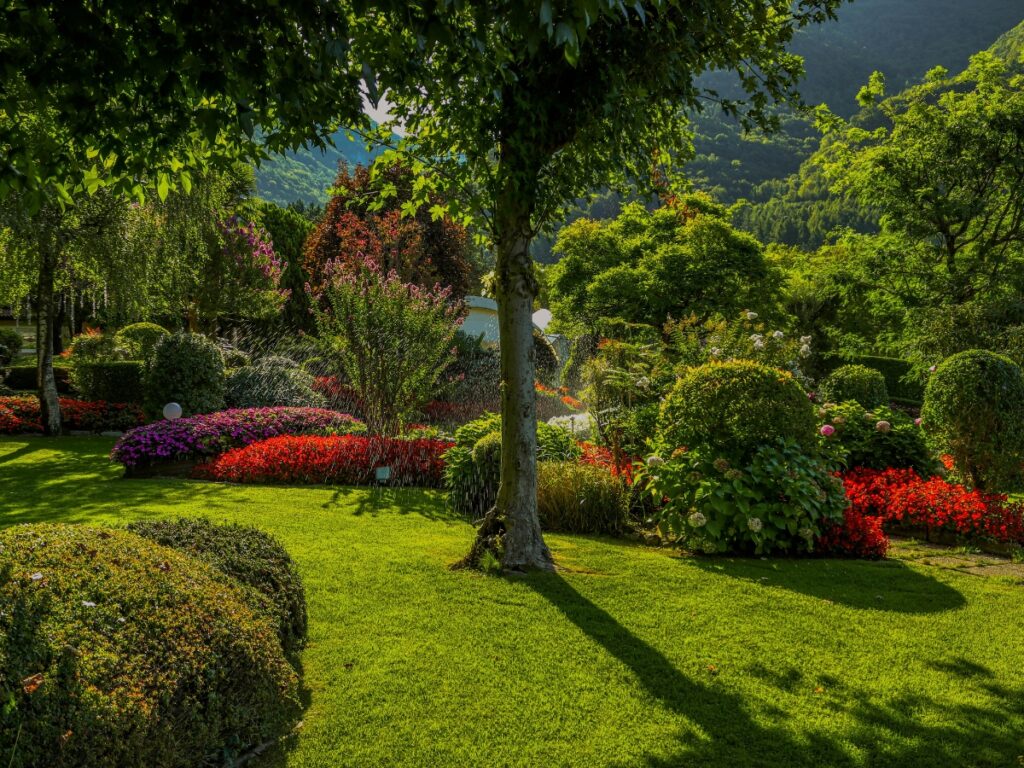
Storm preparation is an important part of landscape planning in Georgia. The region frequently experiences heavy rainfall, strong winds, and seasonal storms that can place stress on outdoor spaces. Custom landscape design allows property owners to prepare for these conditions while maintaining an attractive and functional yard.
When a landscape is designed with extreme weather in mind, it can help reduce the impact of storms on both plants and structures. Careful planning allows drainage, plant placement, and structural elements to work together so that water flows away from vulnerable areas. This approach helps prevent soil erosion, standing water, and damage to surrounding features.
A well-planned landscape also considers how wind and water move across the property. By selecting durable plants and designing the terrain thoughtfully, outdoor spaces can remain stable even during intense weather events.
Designing Landscapes That Manage Stormwater
Stormwater management is one of the most important elements of landscape planning in areas affected by extreme weather. Heavy rainfall can quickly overwhelm soil and drainage systems if a landscape is not designed to handle it. Custom design allows professionals to evaluate the property and create solutions that guide water safely through the space.
Several landscape features are commonly used to improve water control:
- Grading that directs runoff away from buildings
- Drainage channels or swales that move excess water through the property
- Plant beds designed to absorb moisture during heavy rainfall
These elements work together to manage the flow of water during storms. By controlling runoff, landscapes can reduce the risk of flooding and soil damage.
Plant selection also plays a role in storm preparation. Plants with deeper root systems help stabilize soil and prevent erosion. Wind-tolerant trees and shrubs can also reduce damage during strong storms by holding their structure more effectively than fragile varieties.
When these design choices are combined, landscapes become more capable of handling the pressure created by extreme weather.
The Role Of 3D Visualization In Landscape Planning
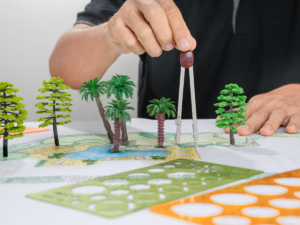
Modern landscape planning often uses digital visualization tools to help property owners understand how a design will look and function. Three-dimensional visualization allows designers to present a detailed model of the proposed landscape before construction begins.
This technology helps clients see how drainage paths, planting areas, and structural elements will interact. It also allows adjustments to be made early in the planning process. Instead of waiting until construction begins, property owners can review the design and suggest changes while the project is still in development.
Three-dimensional models also help illustrate how landscapes respond to extreme weather conditions. Designers can evaluate how slopes guide water across the property and whether certain areas might collect runoff during storms.
By visualizing the design in advance, potential issues can be addressed before installation. This can reduce unexpected problems later and improve the overall effectiveness of the landscape.
How Collaborative Planning Supports Climate Resilience
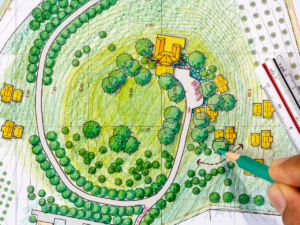
A consultative design process often produces stronger results because it allows property owners and designers to work together. Each property has its own challenges, including soil conditions, slope, drainage patterns, and exposure to wind. Through collaboration, designers can develop solutions that respond to these specific factors.
During this process, designers typically evaluate the property and discuss priorities with the client. Some homeowners may focus on water management, while others may prioritize shade, plant durability, or erosion control. By combining these goals with professional design strategies, landscapes can be built to handle extreme weather more effectively.
This type of collaboration also encourages long-term thinking. Instead of focusing only on visual appeal, the design process considers how the landscape will perform throughout different seasons and weather patterns.
Creating Landscapes That Withstand Extreme Weather
Landscapes that account for storm conditions often perform better over time. When drainage, plant selection, and terrain design work together, outdoor spaces are better prepared for the challenges created by extreme weather.
Custom landscape design helps property owners build outdoor environments that balance beauty with resilience. Thoughtful planning allows landscapes to manage water, withstand wind, and protect surrounding areas during storms.
With careful design and preparation, landscapes in Georgia can remain both functional and attractive while adapting to the region’s changing weather patterns.
Which Native And Adaptive Plant Species Are Best For Flood And Drought Tolerance In Georgia?
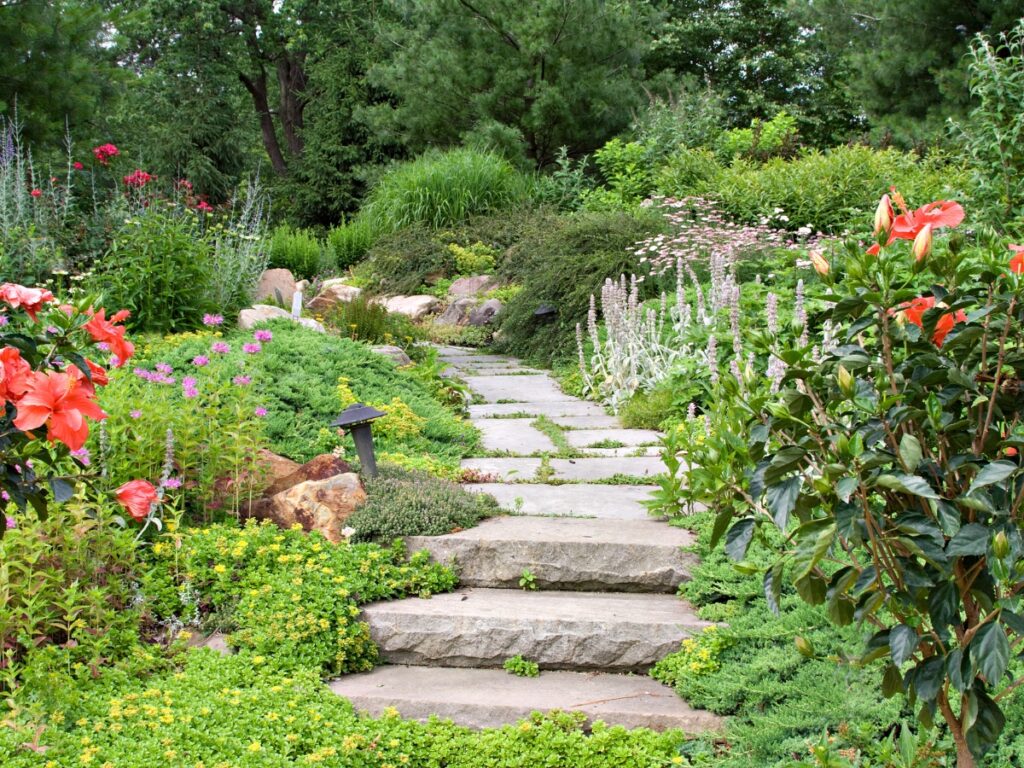
Landscaping in Georgia requires careful plant selection because the region experiences both intense rainfall and extended dry periods. Choosing the right species can make a significant difference in how well a landscape performs throughout the year. Plants that naturally tolerate shifting moisture levels are often the most reliable choice when planning for extreme weather.
Native and adaptive plants tend to perform well because they are already suited to the region’s soil, temperature, and rainfall patterns. These plants usually require less maintenance, fewer chemical treatments, and less supplemental watering once established. When used thoughtfully, they can help landscapes remain stable even during unpredictable weather conditions.
Designing landscapes with resilient plants is a practical way to reduce long-term maintenance while improving durability. In areas that experience frequent storms followed by dry conditions, plant selection becomes one of the most important design decisions.
Flood-Tolerant Plants For Wet Conditions
Heavy rainfall can cause water to accumulate in certain areas of a landscape. Low spots, rain gardens, and drainage areas often remain moist long after storms pass. Planting species that tolerate wet soil helps these areas remain healthy instead of becoming damaged or eroded.
Several native plants thrive in environments that experience regular moisture or periodic flooding. These species often develop strong root systems that stabilize soil while absorbing excess water. Landscapes designed for extreme weather often include plants that can handle temporary flooding without suffering long-term damage.
Common flood-tolerant plants suited to Georgia include:
- Swamp sunflower, a native perennial that grows well in moist soil and produces bright yellow blooms late in the season
- Cardinal flower, known for its vivid red flowers and ability to thrive in consistently damp areas
- Blue flag iris, a wetland plant that adapts well to rain gardens and naturally moist planting beds
These plants not only tolerate excess water but also contribute color and texture to the landscape. Their ability to thrive in wet environments makes them valuable additions to gardens designed to manage stormwater.
Drought-Resistant Plants For Dry Conditions
Georgia landscapes must also handle extended dry periods, particularly during the hottest parts of summer. When rainfall decreases and temperatures rise, plants that require constant watering often struggle to survive. For this reason, drought-tolerant species are frequently used in landscape plans that account for extreme weather.
Plants that adapt well to dry conditions usually have features that help them conserve water. Some develop deep root systems that access moisture stored deeper in the soil, while others have leaves that reduce water loss during hot weather.
Several drought-tolerant plants perform reliably across Georgia landscapes:
- Coneflower, a hardy perennial known for its resilience and ability to attract pollinators
- Black-eyed Susan, a durable flowering plant that grows well even in poor soil conditions
- Lantana, a colorful shrub that tolerates heat and limited rainfall while producing long-lasting blooms
These plants can help maintain visual interest in the landscape while requiring less frequent irrigation. Their ability to adapt to dry soil conditions makes them useful for gardens exposed to strong sun and high temperatures.
Creating Balanced Planting Strategies
In many landscapes, both wet and dry conditions may occur within the same property. Low-lying areas may collect water after storms, while elevated sections dry out more quickly in hot weather. Designing with a mix of plant types helps landscapes remain healthy across these different conditions.
Landscapes designed for extreme weather often combine flood-tolerant plants in moisture-prone areas with drought-resistant plants in sunnier, well-drained locations. This balanced approach allows each plant to thrive in the environment best suited to its needs.
By selecting species that naturally adapt to Georgia’s climate, landscapes become more resilient and easier to maintain. Native plants and drought-tolerant varieties reduce the need for constant watering and replacement while supporting long-term stability.
Building Resilient Landscapes For Extreme Weather
Plant selection plays a major role in how well landscapes respond to changing weather conditions. Gardens that rely on climate-appropriate species are better equipped to handle intense rainfall, high heat, and shifting moisture levels.
Designing with plants suited to extreme weather helps create landscapes that remain both attractive and functional throughout the year. With thoughtful planning and the right mix of species, Georgia landscapes can adapt to seasonal challenges while continuing to thrive.
What Storm Preparation Landscaping Techniques Protect Properties In Georgia?
Landscaping can play an important role in protecting properties during storms. In Georgia, where strong rainfall and seasonal storms are common, outdoor design often needs to account for changing conditions. Thoughtful landscape planning helps control water movement, stabilize soil, and reduce the impact of strong winds.
Storm preparation landscaping focuses on practical design choices that improve resilience. These strategies allow landscapes to manage runoff, support healthy soil, and protect surrounding structures. When a landscape is designed with extreme weather in mind, it becomes better equipped to handle both heavy rain and powerful wind events.
A resilient landscape does not rely on a single feature. Instead, it combines drainage planning, plant selection, and durable materials to create a system that can respond to shifting conditions.
Drainage And Soil Management For Flood Protection
Managing water movement is one of the most important aspects of storm preparation landscaping. When heavy rainfall occurs, poorly planned landscapes can experience flooding, soil erosion, and damage to plant roots. Proper drainage design helps direct excess water away from vulnerable areas while allowing soil to absorb moisture safely.
Several techniques are commonly used to support drainage and reduce flooding risks in landscapes exposed to extreme weather.
- French drains redirect water through underground channels, guiding excess runoff away from foundations and planting beds
- Rain gardens collect stormwater in shallow planting areas where it can slowly soak into the soil
- Permeable paving materials allow water to filter through surfaces rather than pooling on top
These features help manage rainfall while improving soil stability. Instead of allowing water to accumulate in one location, drainage systems distribute it across the landscape in a controlled way.
Rain gardens are particularly useful in urban and residential areas where stormwater runoff can overwhelm traditional drainage systems. These planted areas collect water from nearby surfaces and allow it to filter gradually into the soil. Vegetation within the garden helps absorb moisture while supporting natural filtration processes.
Soil management also plays a role in storm preparation. Healthy soil with organic matter can absorb more water and resist erosion during intense rainfall. Landscapes that maintain well-structured soil tend to recover more easily after storms.
Wind Resistant Landscape Planning
While water management is essential, wind can also cause damage during severe storms. Trees, shrubs, and landscape structures must be placed carefully to reduce the risk of falling branches or uprooted plants. Designing landscapes that withstand strong winds helps protect both outdoor spaces and nearby buildings.
One common strategy involves planting windbreaks. Rows of trees or shrubs can slow the movement of wind across a property. Instead of allowing gusts to strike structures directly, these plants help diffuse the force of the wind.
Several landscape design choices help improve resilience during extreme weather events.
- Strategic tree placement can reduce wind pressure near buildings
- Durable hardscape materials provide stability during storms
- Plants with flexible stems and deep roots remain more stable in high winds
Selecting the right plant species is especially important. Trees and shrubs that naturally grow in windy environments often develop stronger root systems and more flexible branches. These characteristics allow them to bend rather than break during storms.
Hardscape materials also influence how landscapes perform in severe conditions. Stone pathways, reinforced retaining walls, and stable edging materials help maintain the structure of the landscape even when weather conditions become intense.
Creating Landscapes That Withstand Extreme Weather
Landscapes that account for storm conditions tend to perform more reliably over time. By combining effective drainage, soil management, and wind-resistant design, properties can better handle the challenges created by extreme weather.
Storm preparation landscaping does not focus only on preventing damage. It also supports long-term landscape health by improving water flow, soil stability, and plant resilience. These improvements help outdoor spaces remain functional and attractive throughout changing seasons.
With careful planning and thoughtful plant selection, landscapes in Georgia can adapt to heavy rainfall, strong winds, and other conditions associated with extreme weather. The result is an outdoor environment that supports both durability and long-term sustainability.
How Do Sustainable Practices Support Long-Term Climate Resilience In Georgia Landscapes?
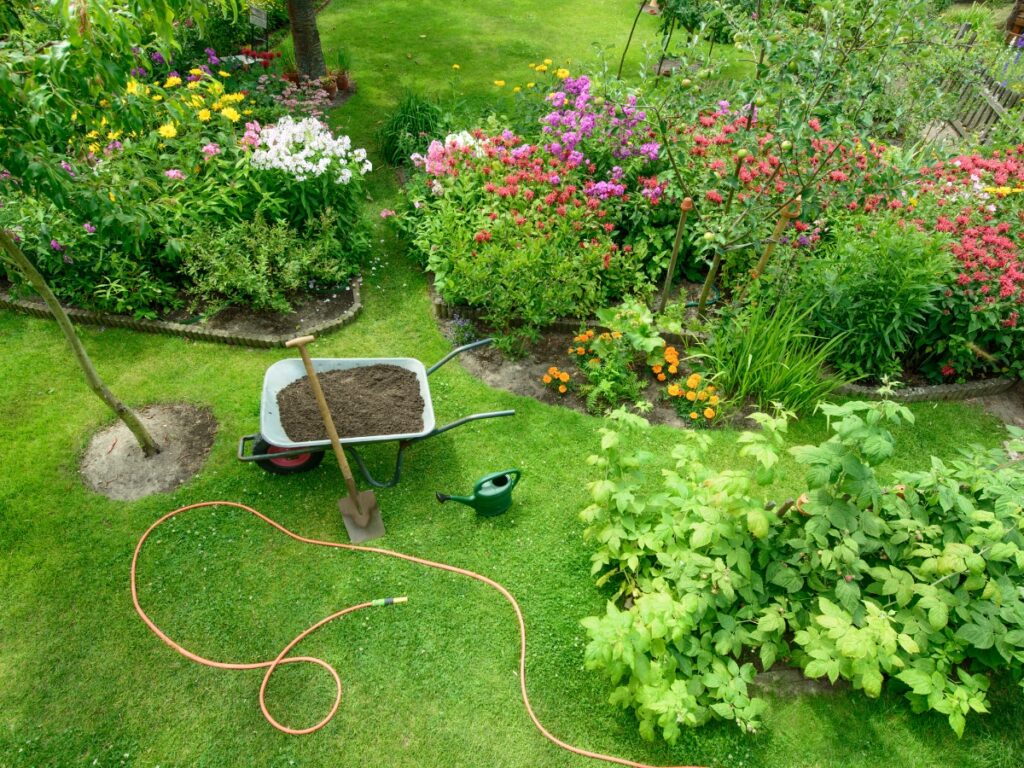
Landscaping in Georgia often requires strategies that account for changing weather conditions. Heavy rainfall, high summer temperatures, and occasional drought periods all influence how outdoor spaces develop over time. Sustainable landscaping practices help landscapes remain healthy despite these challenges by focusing on soil health, water management, and plant selection.
When landscapes are designed with sustainability in mind, they tend to adapt better to extreme weather. These practices support long-term resilience because they work with natural systems rather than against them. Healthy soil, efficient water use, and plant diversity all contribute to landscapes that require less maintenance while remaining stable throughout seasonal changes.
Research examining sustainable landscaping programs in the United States has also highlighted how these approaches improve stormwater management and encourage the use of native species. By integrating these strategies into residential and urban landscapes, property owners can support both environmental health and landscape durability.
Environmentally Conscious Landscaping Methods For Variable Weather
Georgia landscapes must often handle both intense rainfall and extended dry periods. Sustainable landscaping methods help address these shifts by managing water more efficiently and reducing stress on plants during changing weather conditions.
Several practices are commonly used to help landscapes respond to extreme weather while conserving natural resources.
- Rainwater harvesting systems collect rainfall from roofs or other surfaces and store it for irrigation during dry periods
- Xeriscaping focuses on drought-tolerant plants that require minimal watering once established
- Organic mulching helps soil retain moisture while reducing weed growth and temperature fluctuations
Rainwater harvesting allows property owners to make better use of natural rainfall. Instead of allowing water to run off into drainage systems, collected water can support plant health during dry conditions. This approach reduces reliance on additional irrigation while improving water efficiency.
Xeriscaping also plays a role in adapting landscapes to extreme weather. By choosing plants that naturally tolerate dry soil conditions, landscapes can remain stable even during hot summer months. These plants often develop deeper root systems that access moisture below the soil surface.
Organic mulch provides another layer of protection. When spread across planting beds, mulch helps soil retain moisture and regulate temperature. This protection allows plant roots to remain cooler during hot weather and reduces the speed at which soil dries out.
Sustainable Design And Storm Preparation
Sustainable landscape design does more than conserve water. It also improves how landscapes respond to heavy rainfall and storm conditions. By strengthening soil structure and increasing plant diversity, landscapes become better prepared to handle sudden weather changes.
Healthy soil plays an important role in this process. Soil rich in organic matter absorbs water more effectively than compacted or depleted soil. During storms, this improved absorption reduces runoff and lowers the risk of erosion. Landscapes with healthy soil structures can also recover more quickly after heavy rainfall.
Plant diversity contributes to resilience as well. Landscapes that include a variety of plant types tend to respond better to extreme weather because different species tolerate different conditions. If one plant struggles during a dry period or storm, others can continue to thrive and maintain stability in the landscape.
Native plants are often an important part of sustainable landscape design in Georgia. These species have adapted to local climate conditions over time, which allows them to handle the region’s temperature changes and rainfall patterns more effectively than widely imported varieties.
Creating Landscapes That Adapt To Extreme Weather
Sustainable landscaping supports long-term climate resilience by improving how landscapes manage water, soil health, and plant stability. When these elements work together, outdoor spaces become more capable of handling both drought and heavy rainfall.
Planning for extreme weather does not require complex solutions. Often, the most effective strategies involve working with natural systems through thoughtful plant selection, soil care, and efficient water use.
Landscapes designed with these sustainable practices tend to remain healthier and more stable throughout the year. By supporting natural processes and encouraging biodiversity, property owners can create outdoor spaces that remain attractive and functional even as weather conditions change.
How Can Homeowners And Commercial Clients Benefit From Legacy Landscape Design’s Expertise?
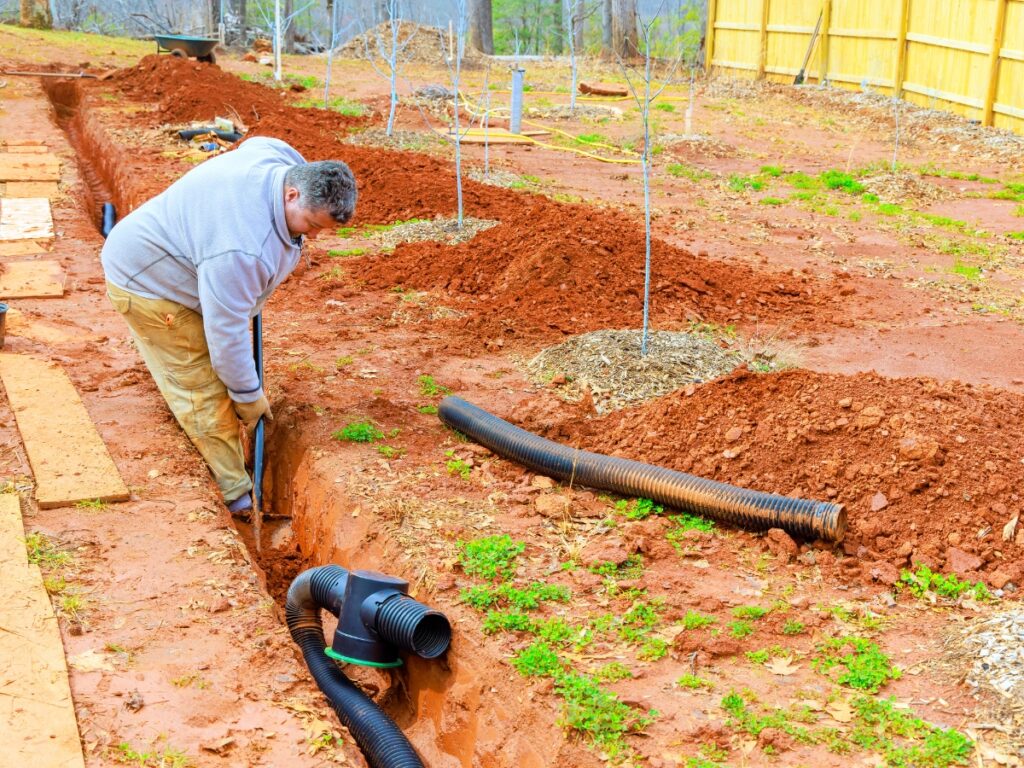
Landscaping in Georgia often requires thoughtful planning because the region experiences heat, heavy rainfall, and seasonal storms. These conditions can place stress on plants, soil, and outdoor structures. Professional landscape design can help property owners address these challenges while maintaining outdoor spaces that are both practical and visually appealing.
Design firms that specialize in climate-aware landscaping often focus on solutions that improve durability and water management. In regions where extreme weather is common, this type of planning helps landscapes remain stable throughout the year. Careful plant selection, drainage design, and soil preparation all contribute to long-term resilience.
Legacy Landscape Design focuses on creating outdoor environments that respond to Georgia’s climate conditions. Their projects often combine visual design with practical features that help landscapes perform well during storms, heat, and shifting rainfall patterns.
Examples of Storm-Resistant Landscaping Projects
Storm-resistant landscaping typically involves a combination of water management, plant selection, and terrain design. By incorporating these elements, landscapes become better prepared to handle intense rainfall and changing soil moisture levels.
Projects designed for extreme weather often include solutions that guide water through the property in a controlled way. These strategies reduce the risk of flooding, erosion, and long-term plant damage.
A typical project might include improvements such as:
- Rain gardens designed to capture and absorb excess stormwater
- Native plant installations that tolerate both wet and dry conditions
- Soil and grading adjustments that direct water away from structures
In one residential project in Georgia, landscape designers transformed a yard that previously struggled with water accumulation after storms. The updated design incorporated rain gardens and native vegetation that absorbed runoff and stabilized the soil. After the changes were implemented, the property experienced improved drainage and fewer issues during heavy rainfall.
Projects like this demonstrate how thoughtful design can help landscapes adapt to extreme weather conditions while still maintaining a natural appearance.
The Role Of Consultation In Landscape Planning
A consultation process is often the first step in creating a landscape that responds effectively to climate challenges. During this stage, designers evaluate the property’s layout, soil conditions, drainage patterns, and sun exposure.
Understanding these factors allows designers to recommend strategies that match the property’s specific needs. Instead of using a standard template, the design process focuses on solutions tailored to the location and environment.
Consultations also help property owners clarify their goals. Some may want to reduce water accumulation after storms, while others may focus on improving plant durability during hot summers. Through discussion and site analysis, designers can identify the most practical approach.
This collaborative process often leads to landscapes that balance appearance with functionality. When property owners participate in early planning decisions, they gain a clearer understanding of how the final landscape will perform.
Using 3D Design Tools For Project Visualization
Three-dimensional design tools have become a valuable part of modern landscape planning. These digital models allow designers to create realistic representations of proposed outdoor spaces before construction begins.
For clients, this visualization makes it easier to understand how different features will fit together. Elements such as planting beds, drainage areas, pathways, and structures can be reviewed in a virtual layout. This helps property owners evaluate the design and request adjustments before installation starts.
Three-dimensional models are also useful when planning for extreme weather conditions. Designers can illustrate how water may move across the property or how planting areas will interact with surrounding terrain. Seeing these details in advance allows clients to make informed decisions about layout and materials.
Building Landscapes That Adapt To Extreme Weather
Professional landscape planning can help outdoor spaces perform more reliably in Georgia’s changing climate. When design strategies address drainage, plant resilience, and soil health, landscapes are better prepared to handle seasonal challenges.
Extreme weather does not have to limit the success of outdoor spaces. With careful planning and thoughtful design, landscapes can adapt to both heavy rainfall and dry periods while maintaining long-term stability.
By combining climate-aware design with detailed planning tools, property owners can create outdoor environments that remain both functional and attractive throughout the year.
Conclusion
Designing landscapes resilient enough to withstand Georgia’s extreme weather—from scorching summer droughts to sudden, intense storms and occasional winter freezes—requires thoughtful planning and plant selection.
By incorporating native species, proper drainage solutions, and sustainable practices, you create an outdoor space that thrives through every season while requiring less intervention.
For expert guidance in developing a weather-resilient landscape tailored to Georgia’s unique climate challenges, trust Legacy Landscape Design. Ready to build a landscape that stands strong against the elements? Call 770-427-2026 or fill out our contact form today for a consultation. Let’s create an outdoor environment as resilient as it is beautiful.