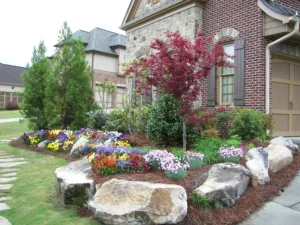
Erosion can quietly undermine your landscape, washing away soil, exposing roots, and weakening the foundation of your outdoor space.
What begins as minor runoff can quickly turn into larger issues that affect plant health, drainage, and overall stability. Preventing erosion early is key to protecting both the appearance and structure of your property.
Comprehensive control solutions for sustainable landscape protection focus on managing water flow, stabilizing soil, and reinforcing vulnerable areas. Techniques like proper grading, strategic planting, and erosion control materials help keep soil in place while supporting long-term growth.
With the right approach, you can reduce damage, maintain a healthier landscape, and create outdoor spaces that remain stable and visually appealing over time.
Erosion Control Methods for Slopes and Drainage
What Are Effective Slope Erosion Solutions For Long-Term Stability?
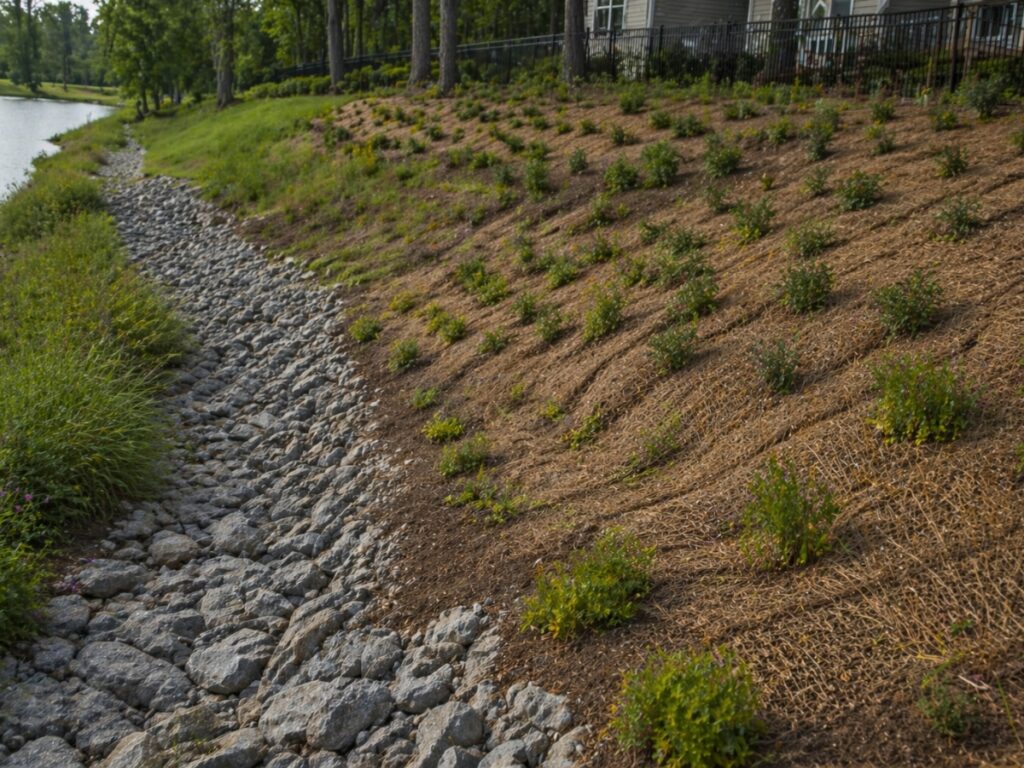
Managing slopes requires more than a quick fix. Without the right approach, water runoff can gradually wear away soil, weaken the ground, and lead to larger structural issues.
Effective erosion control focuses on long-term stability by combining natural and engineered solutions that work with the landscape rather than against it.
Common strategies include establishing ground cover, improving drainage patterns, and reshaping the land to better manage water flow. When these elements are planned together, they help reduce soil movement and create a more stable environment over time.
Companies like Legacy Landscape Design take this integrated approach, tailoring erosion control solutions to fit the specific conditions of each property. This kind of planning helps ensure that slopes remain functional, durable, and visually consistent with the surrounding landscape.
How Does Soil Stabilization Prevent Slope Erosion?
Soil stabilization plays a central role in erosion control because it strengthens the ground at its foundation. When soil is loose or poorly structured, it is more vulnerable to being washed away during heavy rain. Stabilization methods improve the soil’s ability to hold together, which reduces the risk of gradual erosion or sudden slope failure.
One of the most effective ways to stabilize soil is by maintaining healthy topsoil and encouraging plant growth. Roots act as a natural anchor, binding the soil together and helping it resist movement. Over time, this creates a more resilient surface that can handle changing weather conditions.
In areas where additional support is needed, materials such as geotextiles or erosion control mats can be introduced. These reinforcements provide immediate stability while vegetation establishes itself.
As plants grow and take hold, they begin to share the workload, creating a balanced system that supports both structure and growth. By focusing on soil health as well as structural support, erosion control efforts become more sustainable and less reliant on constant maintenance.
Which Techniques Enhance Slope Grading For Erosion Control?
Slope grading is another key part of managing erosion, but its purpose goes beyond simply reshaping the land. The goal is to guide water in a controlled way so it does not concentrate in one area and cause damage. When water moves too quickly down a slope, it can carry soil with it, leading to erosion over time.
Contour grading is one of the most effective techniques for addressing this issue. By following the natural shape of the land, contouring slows water movement and spreads it more evenly across the surface. This reduces pressure on any single area and allows the soil to absorb moisture more effectively.
For steeper slopes, structural elements like terraces or retaining walls may be necessary. Terracing breaks a long slope into smaller, more manageable sections, which reduces the speed of runoff. Retaining walls provide additional support, helping hold soil in place and prevent shifting.
These grading strategies not only improve stability but also make the landscape easier to maintain. Water is directed where it should go, and the risk of erosion is reduced at its source.
Creating A Balanced Approach To Erosion Control
Successful erosion control comes from combining multiple techniques rather than relying on a single solution. Soil stabilization strengthens the ground, while proper grading manages how water interacts with the surface. Together, they create a system that supports long-term stability.
By taking a thoughtful approach to erosion control, property owners can protect their landscape from gradual damage while also improving its overall function. Over time, these efforts lead to a healthier, more durable environment that requires less intervention and holds up better against natural wear.
How Do Landscape Drainage Systems Mitigate Water Runoff And Erosion?
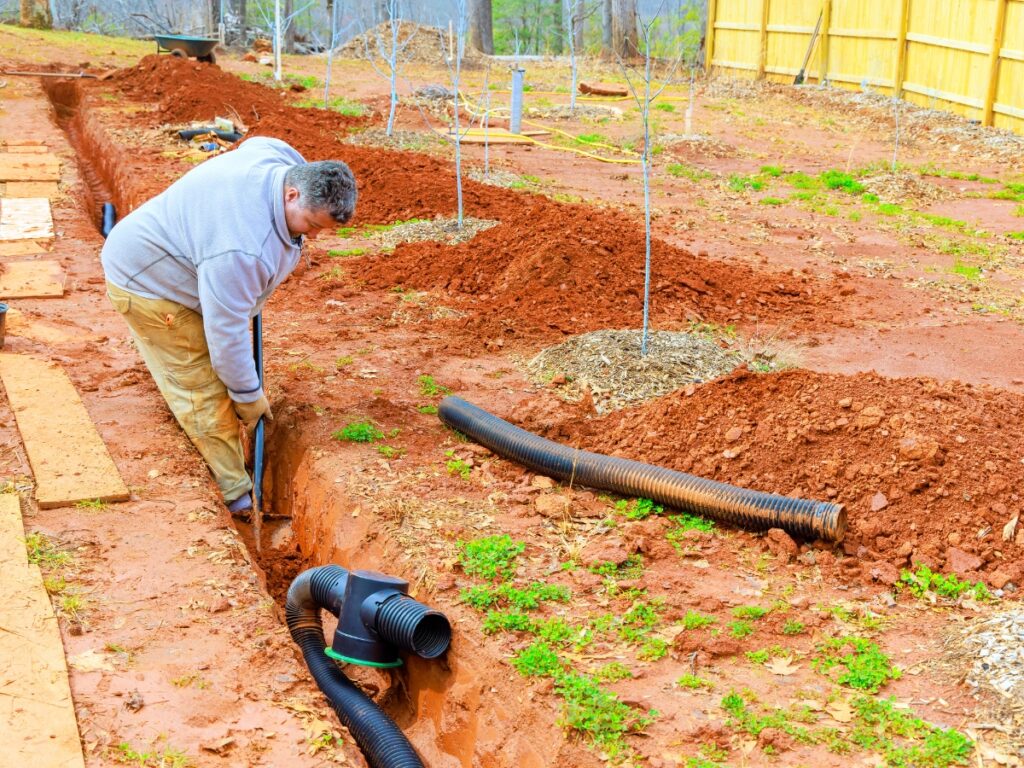
Water is one of the main forces behind soil movement, especially on sloped or poorly drained properties. Without a way to manage runoff, even moderate rainfall can gradually wash away soil and weaken the landscape.
That is where well-designed drainage systems come in. They are a core part of effective erosion control because they guide water away from vulnerable areas and reduce the pressure placed on the ground.
Instead of allowing water to flow freely and gather speed, drainage systems slow it down, redirect it, or help it absorb into the soil.
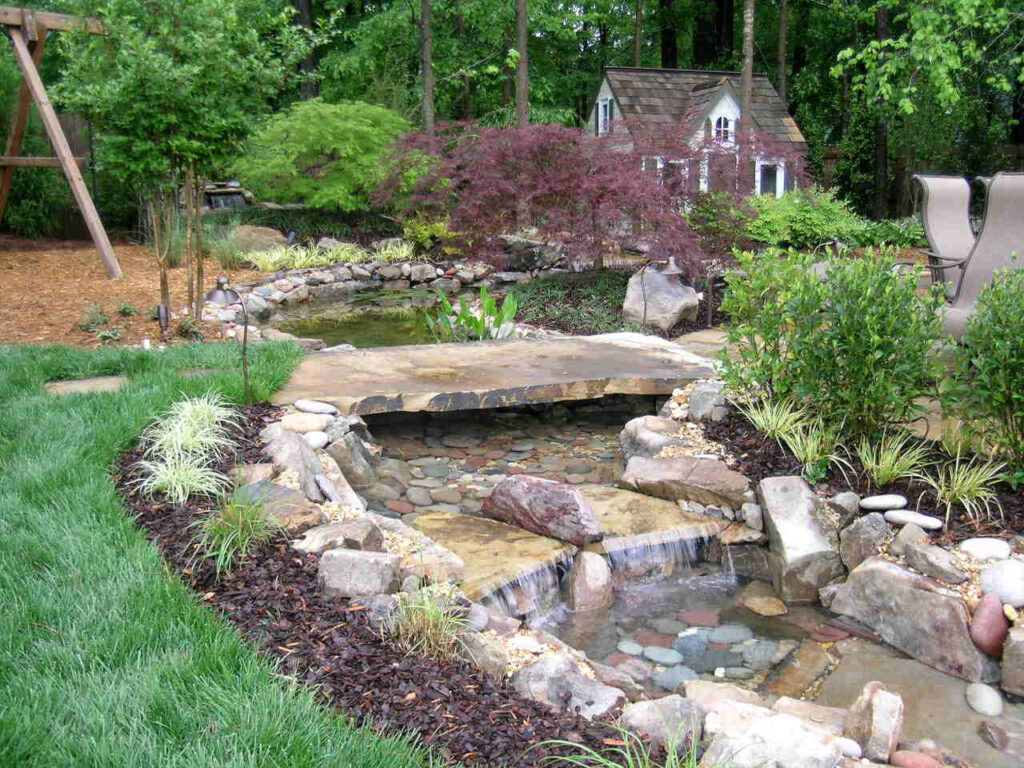
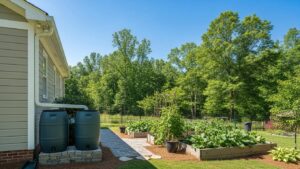
Features like permeable surfaces and rain gardens are particularly useful because they manage water naturally while improving the overall health of the landscape. Over time, this approach helps maintain stability and reduces the need for constant repairs.
What Are The Best Practices For Designing Drainage Systems In Landscaping?
A successful drainage system starts with a clear understanding of the property itself. Every site has its own conditions, including soil type, slope, and natural water flow. Taking the time to evaluate these factors ensures that the drainage design works with the land rather than against it.
One of the most important steps is identifying how water already moves across the property. This makes it easier to place drainage features where they will be most effective.
For example, low areas that collect water may benefit from a rain garden, while slopes may require channels or grading adjustments to control runoff.
It is also important to integrate drainage into the overall landscape design. A well-planned system should not feel like an afterthought.
Instead, it should blend into the environment while supporting both function and appearance. Using permeable materials in walkways or patios can help reduce runoff while maintaining a clean, cohesive look.
By combining thoughtful planning with practical design choices, property owners can create a drainage system that supports long-term erosion control without disrupting the visual appeal of the space.
How Does Water Runoff Control Contribute To Soil Preservation?
Managing runoff effectively does more than prevent visible erosion. It also plays a direct role in protecting soil health. When water moves too quickly across the surface, it strips away nutrient-rich topsoil, leaving behind a less stable and less fertile layer.
By slowing and redirecting water, erosion control efforts help the soil retain both moisture and nutrients. This creates a better environment for plants to grow, which in turn strengthens the soil further through root systems. It becomes a cycle where healthy soil supports vegetation, and vegetation helps protect the soil.
Features like swales and rain gardens are especially effective in this process. They allow water to collect and soak into the ground gradually instead of running off immediately. This not only reduces erosion but also improves water efficiency across the landscape.
Building A More Resilient Landscape With Drainage
A well-designed drainage system does more than solve short-term problems. It builds resilience into the landscape, helping it handle changing weather conditions over time. When water is managed properly, the risk of erosion decreases, and the overall structure of the land remains intact.
Erosion control works best when drainage is treated as part of a larger strategy. By combining water management with soil stabilization and thoughtful grading, property owners can create a landscape that is both durable and easier to maintain.
Over time, these improvements lead to fewer issues, healthier soil, and a more stable outdoor space that holds up well under regular use and seasonal changes. not only manage runoff but also provide aesthetic and ecological benefits.
What Are The Benefits And Installation Methods Of Retaining Walls For Erosion Control?
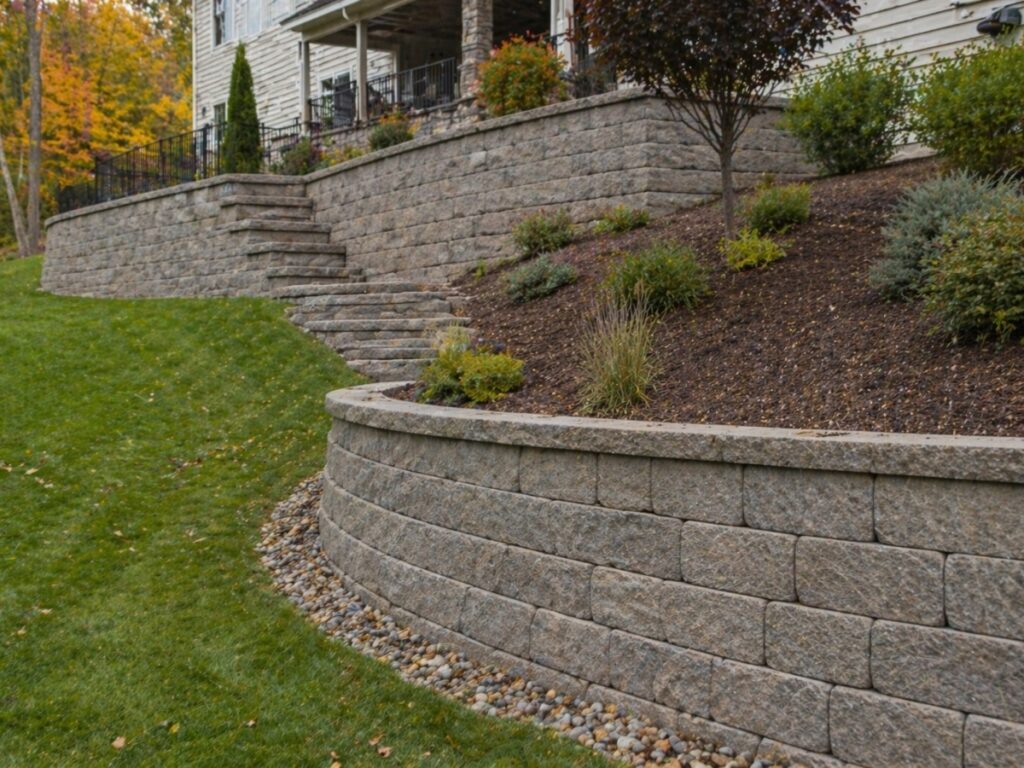
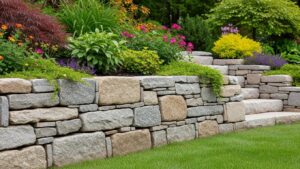
Retaining walls are one of the most reliable ways to manage sloped landscapes and reduce soil movement over time. When designed correctly, they do more than hold soil in place.
They help control water flow, improve the usability of the land, and contribute to a more stable outdoor environment. For properties dealing with runoff or shifting ground, retaining walls are often a key part of a long-term erosion control strategy.
In addition to their structural role, retaining walls can also enhance the overall layout of a space. By reshaping uneven terrain into defined levels, they make landscapes easier to maintain while adding visual structure.
How Do Retaining Walls Stabilize Slopes And Prevent Soil Loss?
The primary function of a retaining wall is to act as a barrier that supports soil and prevents it from moving downhill. On steep or uneven ground, gravity and water runoff can gradually weaken the soil, leading to erosion or even small collapses.
A properly built wall holds that soil in place and reduces the risk of shifting. What makes retaining walls especially effective for erosion control is how they work alongside drainage.
Without proper water management, pressure can build up behind the wall, which may reduce its effectiveness over time. To address this, many designs include built-in drainage features that allow water to pass through or move away safely.
By combining structural support with controlled water flow, retaining walls help create a more stable slope. This not only protects the soil but also supports any plants or landscaping features built around it.
What Materials And Designs Are Best For Retaining Wall Installation?
Choosing the right material is an important part of building a retaining wall that lasts. Different materials offer varying levels of strength, appearance, and cost, so the decision often depends on both practical needs and design preferences.
Concrete is a common choice because of its durability and flexibility in design. It can be shaped or finished in different ways, making it suitable for both modern and traditional landscapes.
Stone, on the other hand, provides a more natural look and is known for its long lifespan, though it may require a higher investment. Timber is often used for smaller projects or where a more rustic appearance is preferred, but it may not last as long as other materials in certain conditions.
Beyond materials, the overall design of the wall also plays a critical role. Factors such as wall height, soil type, and drainage all influence how the structure should be built.
A well-designed wall distributes pressure evenly and allows water to move through or around it, which helps maintain its strength over time.
Integrating Retaining Walls Into A Complete Erosion Control Plan
While retaining walls are highly effective on their own, they work best when combined with other erosion control methods. Pairing them with proper grading, drainage systems, and vegetation creates a more balanced approach to managing soil and water.
For example, adding plants along the top or base of a wall can help reinforce the soil further, while grading adjustments can direct water away from vulnerable areas. These combined efforts reduce stress on the wall and extend its lifespan.
In the long run, retaining walls provide both protection and structure. When installed with the right materials and supported by thoughtful design, they become a dependable solution for managing slopes and maintaining landscape stability.
Which Vegetative Erosion Control Methods Support Sustainable Landscaping?
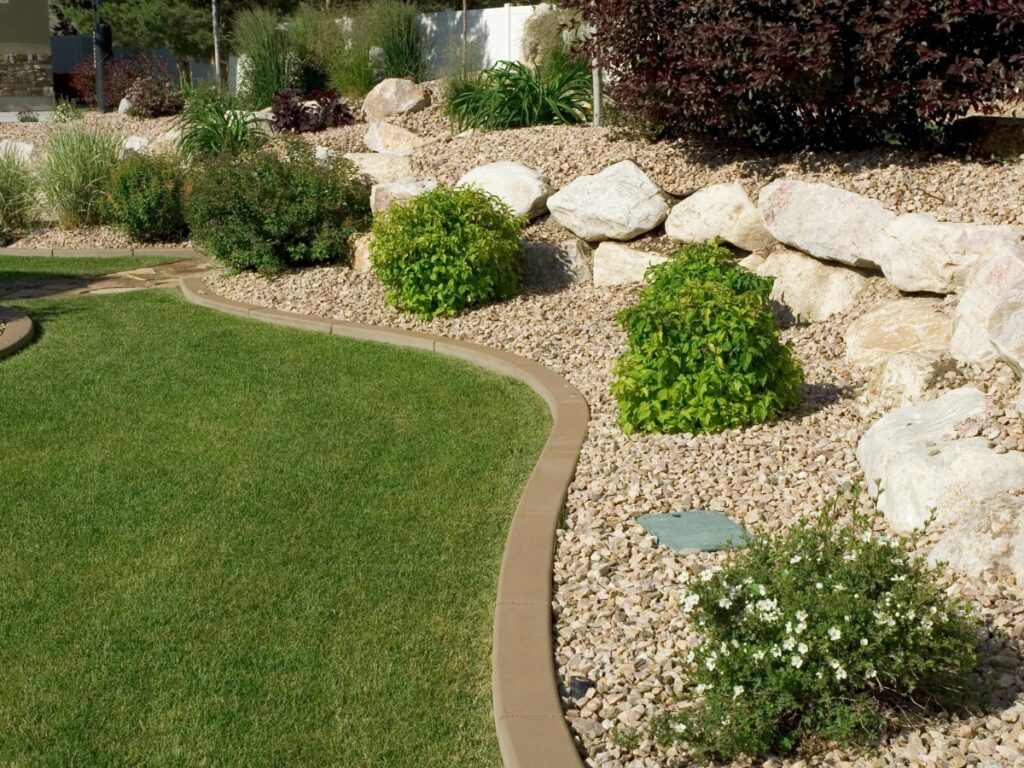
Using plants for erosion control is one of the most natural and effective ways to stabilize soil. Instead of relying only on structural solutions, vegetative methods work with the environment to reduce runoff, hold soil in place, and improve overall landscape health.
This approach is especially valuable for long-term sustainability because it strengthens the ground while also supporting plant life and local ecosystems.
When planned carefully, vegetation becomes a living system that continues to improve over time. As roots grow and spread, they create a network that helps anchor the soil, making erosion less likely even during heavy rainfall.
What Plants Are Most Effective For Soil Retention And Erosion Prevention?
Not all plants provide the same level of support when it comes to erosion control. The most effective options are those with strong root systems and the ability to adapt to local conditions.
Native plants are often the best choice because they are already suited to the climate and soil, which allows them to establish quickly and grow reliably.
Grasses are a common starting point because their dense, fibrous roots form a tight web beneath the surface. This helps bind soil together and reduces the chance of it washing away.
Ground covers offer a different kind of protection by spreading across the surface, shielding the soil from direct impact during rain and slowing down water movement.
Shrubs and trees add another layer of stability. Their deeper root systems anchor the soil at lower levels, which is especially helpful on slopes or areas prone to shifting. When these plant types are used together, they create a balanced system that protects both the surface and the underlying soil.
Choosing the right mix of vegetation depends on the specific conditions of the site, including slope, moisture levels, and sun exposure. A thoughtful selection ensures that plants not only survive but actively contribute to erosion control.
How Does Native Vegetation Enhance Environmental Benefits In Erosion Control?
Native vegetation brings additional advantages that go beyond soil stability. Because these plants are adapted to the local environment, they typically require less water, fertilizer, and maintenance. This makes them a practical choice for sustainable landscaping, especially in areas where long-term upkeep is a concern.
Another important benefit is the support native plants provide to local ecosystems. They create habitats for insects, birds, and other wildlife, helping maintain biodiversity within the landscape.
This added layer of ecological support makes erosion control efforts more meaningful, as they contribute to a healthier environment overall.
Native plants also tend to be more resilient. They can handle local weather patterns more effectively than non-native species, which means they are less likely to fail or require replacement. Over time, this resilience reduces the need for additional intervention and helps maintain consistent soil protection.
Creating A Long-Term Vegetative Erosion Control Strategy
For vegetation to be effective in erosion control, it needs to be part of a broader plan. Simply planting grass or shrubs without considering water flow or soil conditions may not deliver lasting results.
Instead, vegetation should be combined with proper grading and drainage to create a system that manages both soil and water.
As plants establish and mature, their impact becomes more noticeable. The soil becomes more stable, runoff slows down, and the landscape begins to hold its shape more effectively. This gradual improvement is one of the key advantages of using vegetation as a primary erosion control method.
In the long run, vegetative solutions offer a balance of function and sustainability. They protect the land while enhancing its appearance and ecological value, making them a practical and lasting choice for managing erosion.
How Does Custom Landscape Design Integrate Erosion Control Solutions?
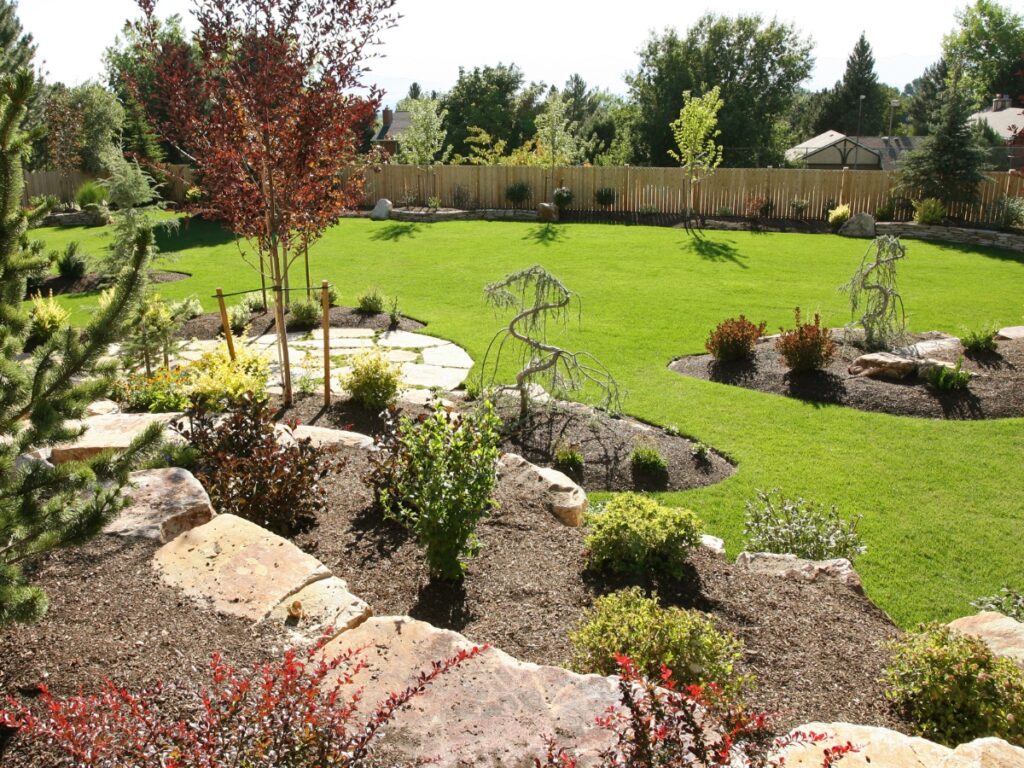
Erosion control works best when it is built into the overall landscape from the beginning, not added later as a fix. Custom landscape design makes this possible by shaping the land, managing water flow, and selecting materials in a way that supports long-term stability.
Instead of treating erosion as a separate issue, it becomes part of a larger plan that balances function and appearance. By taking a tailored approach, designers can address the specific conditions of a property, whether that means managing steep slopes, improving drainage, or reinforcing vulnerable areas.
This level of planning helps prevent problems before they develop, which is key to effective erosion control.
What Role Does 3D Landscape Design Play In Planning Erosion Prevention?
One of the biggest advantages of modern landscape design is the ability to visualize a project before any work begins.
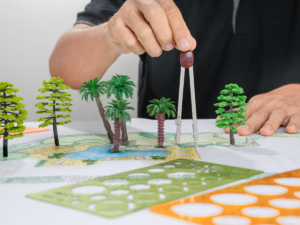
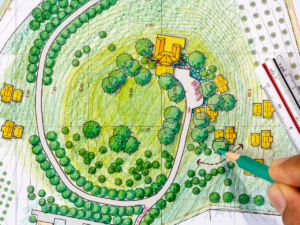
With 3D design tools, professionals can map out terrain changes, drainage paths, and structural features in detail. This makes it easier to see how water will move across the property and where potential erosion risks might occur.
Instead of relying on estimates, designers can test different layouts and adjust plans early in the process. For example, they might reposition a drainage channel or modify grading to better control runoff.
These adjustments can be made digitally, saving time and reducing the risk of costly changes later. This kind of planning also helps property owners understand how erosion control measures will fit into the overall design.
Seeing the finished concept in advance makes it easier to make informed decisions about both function and aesthetics.
How Are Tailored Drainage And Stabilization Strategies Developed?
Every property has its own challenges, so erosion control solutions need to be developed with those conditions in mind. The process usually begins with a detailed site evaluation. This includes assessing the slope of the land, soil composition, and how water currently flows through the area.
Once these factors are understood, designers can begin shaping a tailored plan that addresses the most pressing concerns. For example, a property with heavy runoff may need improved drainage channels, while a sloped yard might benefit from a combination of grading adjustments and soil stabilization techniques.
Client input is also an important part of this process. Some homeowners prioritize aesthetics, while others focus on durability and low maintenance.
A custom approach allows both goals to be considered, resulting in solutions that work practically while still aligning with the overall vision for the space.
Bringing Function And Design Together
What sets custom landscape design apart is how it combines multiple elements into one cohesive system. Erosion control is not handled in isolation. Instead, it is supported by grading, drainage, vegetation, and structural features that all work together.
For instance, stabilizing soil with plants becomes more effective when paired with proper drainage. Similarly, reshaping the land to manage water flow reduces the stress placed on retaining structures. Each component reinforces the others, creating a more durable and balanced landscape.
Why Integration Matters For Long-Term Results
When erosion control is integrated into the design from the start, the results tend to last longer and require less maintenance. Problems like soil loss and water buildup are addressed at their source, rather than managed after they appear.
This approach also makes the landscape easier to use and maintain over time. Water flows where it should, soil stays in place, and the overall structure of the property remains stable.
In the long run, combining custom design with erosion control creates a space that is both functional and resilient, with fewer surprises along the way.
What Are Common Client Questions About Erosion Control Solutions?
When it comes to erosion control, most property owners are not just looking for a quick fix. They want solutions that last, fit their landscape, and do not create new problems down the line.
As a result, many of the same questions come up during planning. These usually focus on how to manage water effectively and what kind of maintenance is required to keep everything working over time.
Understanding these concerns helps shape more practical, long-term strategies that feel manageable rather than overwhelming.
How Can Property Owners Manage Water Runoff Effectively?
Managing water runoff is one of the most important parts of any erosion control plan. If water is not directed properly, it can gradually wear away soil, weaken slopes, and damage landscaping features. The key is to slow water down and guide it to areas where it can be absorbed safely.
One common approach is using permeable materials in areas like walkways and driveways. These surfaces allow water to pass through instead of running off, which reduces pressure on surrounding soil. Over time, this can make a noticeable difference in how water behaves across the property.
Retaining walls are another option, especially for properties with elevation changes. They help hold soil in place while also giving you more control over how water moves through the landscape. When paired with proper drainage, they become a strong line of defense against erosion.
Rain gardens offer a more natural solution. These planted areas are designed to collect and absorb excess water, allowing it to filter slowly into the ground. In addition to supporting erosion control, they can improve the overall look of the landscape and create a healthier environment for plants.
Each of these methods works differently, but when combined, they create a more balanced system that handles water efficiently.
What Maintenance Is Required For Retaining Walls And Vegetative Controls?
Once erosion control features are in place, ongoing maintenance becomes an important part of keeping them effective. While most systems are designed for durability, they still benefit from regular attention to prevent small issues from becoming larger problems.
Retaining walls, for example, should be checked periodically for signs of shifting, cracking, or drainage issues. Catching these early allows for simple adjustments before structural concerns develop. Keeping drainage areas clear around the wall also helps maintain its performance.
Vegetative controls require a different kind of care. Plants need to be maintained so they continue to provide strong root support. This includes trimming when necessary, replacing any damaged or dead plants, and ensuring they are receiving enough water and nutrients to stay healthy.
Soil condition also plays a role. Over time, testing and adjusting soil quality can help support plant growth and maintain the effectiveness of erosion control efforts. Healthy soil leads to stronger root systems, which in turn improve stability.
Building Confidence In Long-Term Erosion Control
Many client questions come down to one concern: will this solution last? The answer depends on how well the system is planned and maintained. Erosion control is not a one-time project but an ongoing process that benefits from thoughtful design and regular care.
By combining smart runoff management with consistent maintenance, property owners can create a landscape that stays stable and functional over time.
With the right approach, erosion control becomes less about reacting to problems and more about preventing them altogether.
Conclusion
Effective erosion control is the foundation of a resilient landscape, protecting your property from soil loss, water damage, and long-term instability.
By incorporating strategic solutions such as retaining walls, ground covers, terracing, and proper drainage systems, you can preserve the health and beauty of your outdoor spaces for years to come.
For expert landscape design and implementation of erosion control measures tailored to your unique property, trust Legacy Landscape Design.
Ready to safeguard your landscape for the long haul? Call 770-427-2026 or fill out our contact form today for a consultation. Let our team help you build a stable, beautiful foundation that stands strong against the elements.