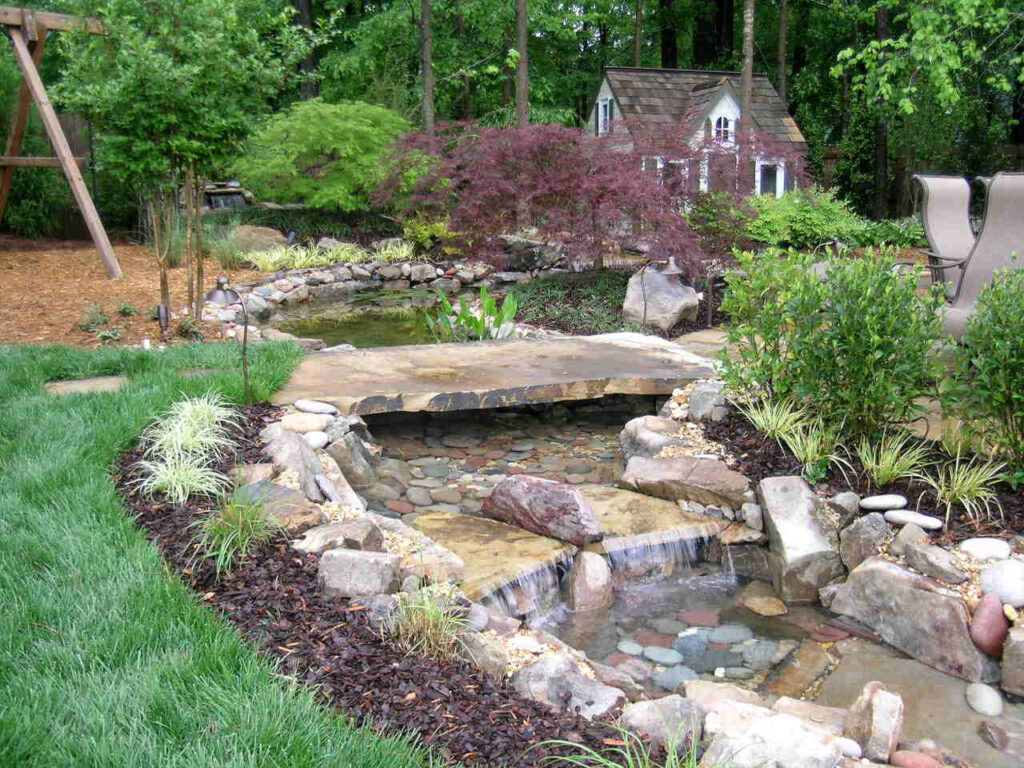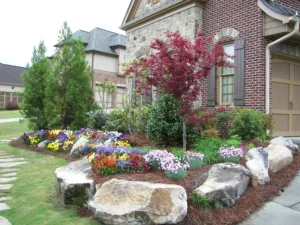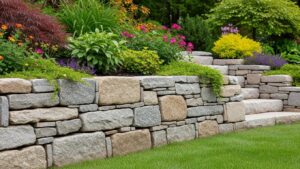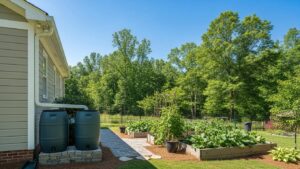
What if your landscape could look beautiful and feed you at the same time? Edible landscaping blends design with purpose, turning traditional yards into productive spaces filled with herbs, fruits, and vegetables. It’s a practical way to make the most of your outdoor space without sacrificing visual appeal.
This edible landscaping guide for sustainable garden design focuses on creating spaces that are both attractive and functional. By combining ornamental plants with edible varieties, you can build a layout that supports year-round growth while reducing reliance on store-bought produce.
With the right planning, plant selection, and placement, your garden can become a sustainable, visually balanced space that provides fresh food while enhancing the overall look of your landscape.
An Edible Landscaping Guide That Makes Gardening More Rewarding
How To Start An Edible Garden In The Atlanta Climate
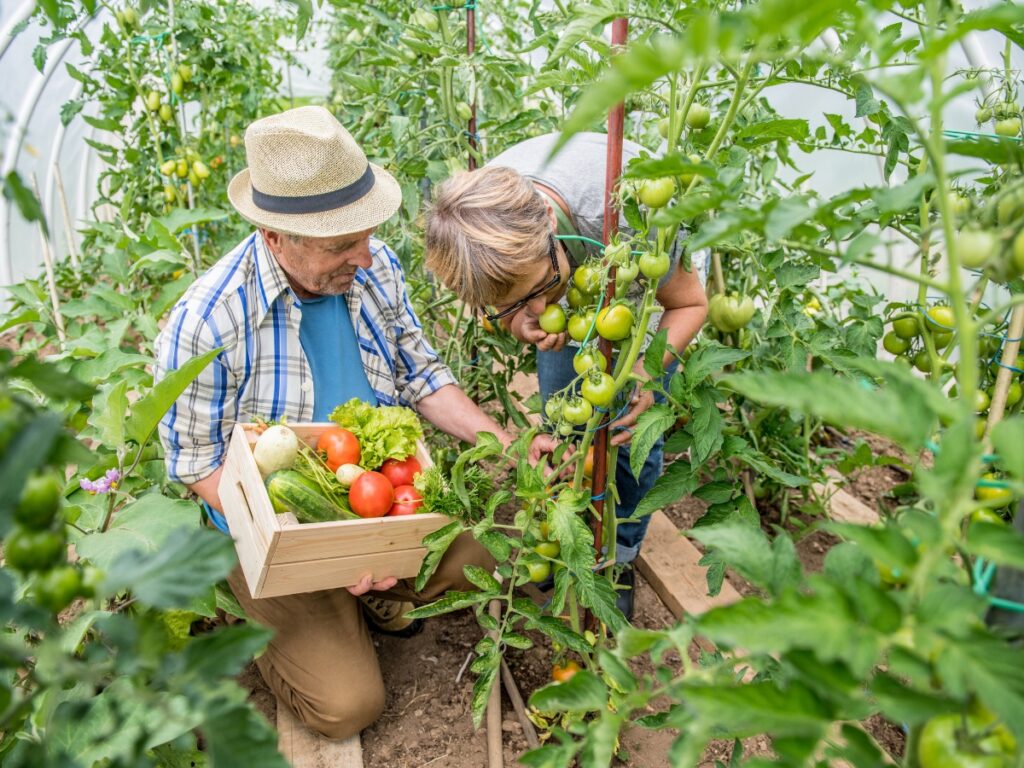
Getting started with edible landscaping in Atlanta begins with understanding how the local climate shapes your growing season. The region’s humid subtropical conditions offer a long window for planting, but they also require thoughtful preparation.
Timing matters. Many gardeners find that starting in late fall or early winter gives them enough time to improve soil conditions before spring planting begins.
Soil preparation is a key first step. Testing your soil helps you understand what nutrients are missing and what adjustments are needed. Atlanta’s soil often leans toward heavy clay, which can limit drainage and root development.
Adding organic matter, such as compost, helps loosen the soil and creates a better environment for plants to thrive. Once your soil is in good shape, the rest of your edible landscaping plan becomes much easier to execute.
Choosing Plants That Thrive In Atlanta Conditions
Plant selection is where edible landscaping really starts to take shape. Instead of forcing plants to adapt, it is far more effective to choose varieties that already perform well in the local climate. This not only improves your chances of success but also reduces the amount of maintenance required over time.
Fruit-bearing shrubs like blueberries are a strong choice for Atlanta gardens. They handle the climate well and offer both visual interest and seasonal harvests. Herbs are another reliable option.
Plants like rosemary, thyme, basil, and oregano grow easily in warm conditions and can be integrated into garden beds or decorative borders.
Vegetables such as tomatoes also perform well, especially during the hotter months. With proper sunlight and consistent watering, they can produce throughout the season.
By combining these types of plants, edible landscaping becomes both practical and visually appealing, blending food production with traditional garden design.
Designing Your Garden For Function And Flow
Once you have selected your plants, the next step is designing a layout that supports healthy growth while still looking intentional. Edible landscaping works best when it feels integrated rather than separate from the rest of your yard.
Start by observing how sunlight moves across your space. Most edible plants need several hours of direct sunlight, so placing them in the right location is essential.
Drainage is another important factor. Areas that retain too much water can lead to root issues, so raised beds or slightly elevated planting areas can help manage this.
Incorporating companion planting is another way to improve your garden’s performance. Certain plant pairings naturally support each other, whether by deterring pests or improving soil health.
For example, adding marigolds near vegetables can help reduce unwanted insects without relying on chemical treatments.
Building A Sustainable Edible Landscape Over Time
Creating a successful edible landscaping setup is not just about the initial planting. It is about building a system that continues to improve with each season. As plants mature and soil health improves, your garden becomes more resilient and productive.
One way to support this long term growth is by rotating crops and refreshing soil nutrients regularly. This helps prevent depletion and keeps plants performing at their best.
Paying attention to seasonal changes also allows you to adjust what you grow throughout the year, making the most of Atlanta’s extended growing season.
Over time, edible landscaping becomes more than just a garden. It turns into a functional part of your outdoor space that provides both visual appeal and a steady source of fresh food.
By starting with the right foundation and making thoughtful choices along the way, you can create a garden that continues to thrive year after year.
What Are The Key Principles Of Sustainable Edible Landscaping?
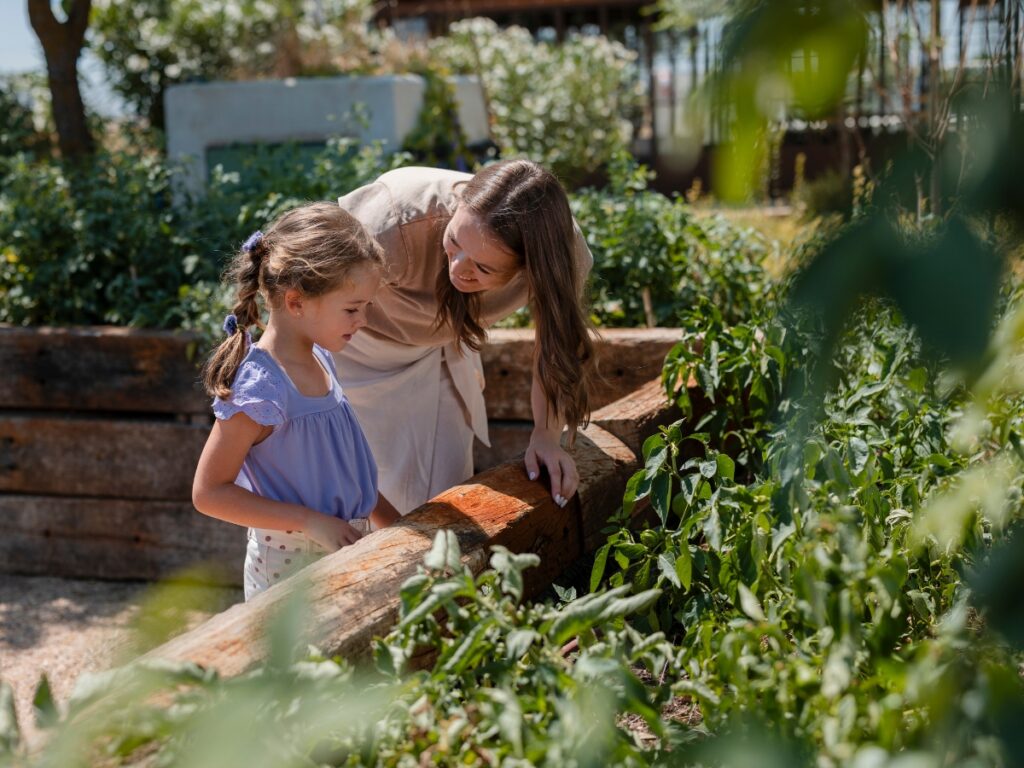
Sustainable edible landscaping is built on the idea that a garden can be both productive and environmentally responsible. Instead of treating food crops as separate from traditional landscaping, this approach blends them into a cohesive design that supports long-term health for both plants and the surrounding ecosystem.
When done well, edible landscaping creates a space that looks intentional while also providing a steady source of fresh food. One of the most important foundations is soil health.
Healthy soil supports stronger plants, improves water retention, and reduces the need for synthetic inputs. Adding compost and organic matter over time helps build a living soil system that continues to improve with each growing season.
Water use is another key consideration. Efficient irrigation methods, such as drip systems or targeted watering, help ensure plants get what they need without waste. This is especially important in areas that experience periods of heat or inconsistent rainfall.
Biodiversity also plays a central role. A mix of fruits, vegetables, herbs, and flowering plants encourages beneficial insects and creates a more balanced environment.
Instead of relying on a single type of plant, edible landscaping thrives when there is variety built into the design.
How Sustainable Foodscaping Supports A Healthier Garden
Sustainable foodscaping does more than produce food. It creates a garden that is more resilient and easier to maintain over time. When soil is healthy, and plant choices are well matched to the environment, plants tend to grow stronger with fewer issues.
For example, diverse plantings naturally attract pollinators like bees and butterflies, which help improve yields. At the same time, beneficial insects can reduce pest problems, limiting the need for chemical treatments. This balance makes the garden more self-sustaining and less dependent on constant intervention.
There are also broader environmental benefits. Edible landscaping can help improve air quality, manage stormwater more effectively, and reduce the overall environmental footprint of a property. Even on a smaller scale, these changes contribute to a more sustainable and functional outdoor space.
Practical Ways To Maintain A Sustainable Edible Garden
Maintaining edible landscaping requires a slightly different mindset than traditional gardening. The focus shifts from short-term fixes to long-term consistency. Small, ongoing practices make a noticeable difference in how the garden performs.
Regular soil testing is one way to stay ahead of potential issues. By understanding what your soil needs, you can make targeted adjustments rather than guessing. This keeps plants healthier and reduces wasted effort.
Mulching is another simple but effective technique. A layer of organic mulch helps retain moisture, regulate soil temperature, and limit weed growth.
Over time, it also breaks down and adds nutrients back into the soil, reinforcing the cycle of sustainability. Crop rotation is especially useful for vegetable areas within edible landscaping.
Changing what you plant in each space from season to season helps prevent nutrient depletion and reduces the risk of pests building up in the soil.
Creating a Long-Term Approach To Edible Landscaping
What sets sustainable edible landscaping apart is its long-term focus. Instead of starting over each season, the goal is to build a system that improves year after year. As soil quality increases and plant combinations become more refined, the garden becomes more productive and easier to manage.
This approach also allows for flexibility. You can adjust plant choices based on what performs well, experiment with new combinations, and continue shaping the space to fit your needs. Over time, edible landscaping becomes less about maintenance and more about working with the natural rhythm of your environment.
By focusing on soil health, water efficiency, and biodiversity, you create a garden that supports itself while still delivering practical benefits. It is a way to grow food that feels integrated, sustainable, and built to last.
How Can 3D Visualization Improve Your Custom Edible Garden Design?

Designing a garden can be challenging when you are trying to picture how everything will come together. This is where 3D visualization becomes especially useful.
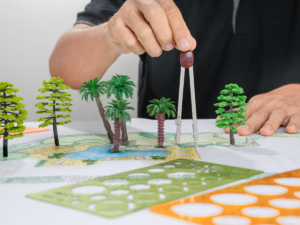
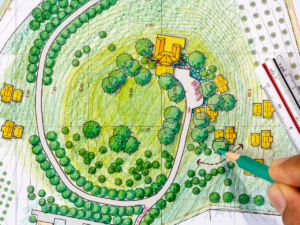
Instead of relying on sketches or rough layouts, you can see a realistic version of your space before anything is planted. For edible landscaping, this makes it much easier to balance both function and appearance.
With a digital model, you can explore how different plants, pathways, and structures will fit within your yard. It also helps you think through practical details, such as spacing, sunlight exposure, and how the garden will change over time. This kind of planning leads to better decisions early on, which can save time and effort later.
What Makes 3D Design Tools So Effective For Garden Planning?
One of the biggest advantages of 3D design tools is clarity. Seeing a realistic version of your edible landscaping layout allows you to catch potential issues before they become real problems.
For example, you might notice that certain plants are too close together or that taller crops could block sunlight from smaller ones.
Another benefit is flexibility. Adjustments can be made quickly without having to start over. You can test different plant combinations, swap layouts, or experiment with spacing until the design feels right. This process encourages creativity while still keeping the plan grounded in practical constraints.
There is also a cost advantage. Identifying layout problems early reduces the risk of reworking sections of your garden after installation. In edible landscaping, where timing and plant health matter, avoiding these setbacks can make a noticeable difference.
Using Visualization To Balance Beauty And Productivity
Edible landscaping is not just about growing food. It is also about creating a space that looks intentional and fits naturally into your yard. 3D visualization helps bridge that gap by showing how edible plants contribute to the overall design.
For instance, you can see how fruiting shrubs might frame a walkway or how herbs can fill in borders around larger plants.
This makes it easier to blend traditional landscaping elements with food-producing plants in a way that feels cohesive. Instead of treating the garden as a separate area, the design becomes part of the entire outdoor space.
Visualization also helps with seasonal planning. Some plants will change appearance throughout the year, and being able to anticipate those shifts allows you to design a garden that stays visually appealing across seasons.
How Collaboration Improves The Final Garden Design
While technology provides the tools, collaboration is what makes the design truly personal. When homeowners are involved in the planning process, the final result tends to reflect their preferences more accurately.
This is especially important in edible landscaping, where the types of plants you grow should align with how you plan to use them.
Working together during the design phase allows for ongoing feedback. You can adjust plant selections, layout choices, and overall structure based on real input rather than assumptions. This back-and-forth process often leads to a more functional and enjoyable space.
It also helps ensure that the garden fits your lifestyle. Whether you prefer low-maintenance options or want a more hands-on growing experience, those details can be built into the design from the start.
Bringing It All Together With Smarter Planning
Combining 3D visualization with collaborative design creates a more thoughtful approach to edible landscaping. Instead of guessing how your garden will look or function, you can plan with confidence and make adjustments before committing to the final layout.
Over time, this leads to a garden that not only produces well but also feels intentional and easy to maintain. By using the right tools and involving the right input early on, edible landscaping becomes a more efficient and rewarding process from start to finish.
What Maintenance And Seasonal Care Are Required For Edible Landscapes?
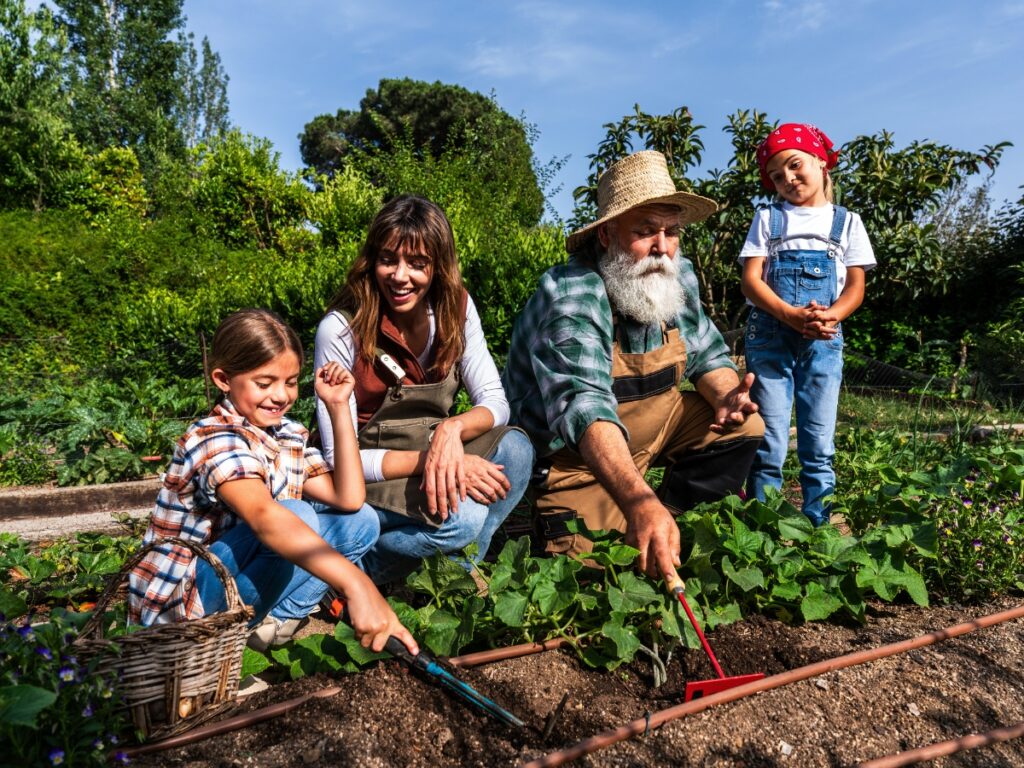
Keeping an edible landscape productive takes consistent care, but it does not have to feel overwhelming. The key is understanding how your garden changes with the seasons and adjusting your approach as needed.
Unlike traditional landscaping, edible landscaping is always evolving, with planting, harvesting, and soil care happening throughout the year.
When you stay in tune with these seasonal shifts, your garden becomes easier to manage and far more productive over time. Instead of reacting to problems, you are anticipating them and making small adjustments along the way.
How To Maintain Your Edible Garden Through Each Season
Each season plays a different role in supporting long-term growth. In spring, the focus is on setting the foundation. This is when new crops go in, soil is refreshed, and nutrients are added to support early growth. It is also a good time to evaluate what worked in previous seasons and adjust your planting plan accordingly.
Summer brings a different set of priorities. As temperatures rise, maintaining moisture becomes critical. Regular watering and simple irrigation strategies help prevent stress on plants.
At the same time, keeping an eye on plant health allows you to catch issues early before they spread. Fall shifts the focus toward preparation.
Clearing out spent plants and debris helps prevent disease from carrying over into the next season. Many gardeners also use this time to plant cover crops, which protect and enrich the soil during the cooler months.
This step supports the long-term success of edible landscaping by improving soil structure naturally.
Managing Soil Health as a Long-Term Strategy
Healthy soil is what keeps an edible landscape productive year after year. Rather than treating soil as something static, it helps to think of it as something that needs ongoing care.
Adding compost or organic material regularly improves fertility and supports beneficial microorganisms that help plants thrive.
Over time, this approach reduces the need for synthetic fertilizers. The soil becomes more balanced, which leads to stronger plant growth and better yields. It also improves water retention, making your garden more resilient during dry periods.
Monitoring soil condition periodically allows you to make targeted adjustments instead of guessing. This keeps maintenance focused and efficient.
Controlling Pests Without Disrupting Balance
Pest management is another important part of maintaining edible landscaping, but it does not have to rely on harsh chemicals. A balanced garden often manages many issues on its own when the right conditions are in place.
Encouraging beneficial insects is one of the most effective ways to keep pest populations in check. Diverse planting helps attract these natural predators, which reduces the likelihood of major infestations.
When intervention is needed, organic methods can address specific problems without harming the overall ecosystem. This approach is often referred to as integrated pest management.
It focuses on prevention, observation, and targeted action rather than broad treatments. Over time, this leads to a more stable and self-regulating garden.
Building A Sustainable Maintenance Routine
The most effective way to care for edible landscaping is to build a routine that fits your space and schedule. Instead of trying to do everything at once, small, consistent actions make the biggest difference.
Regular check-ins allow you to spot changes early, whether it is a shift in soil moisture or the appearance of pests. Seasonal adjustments keep your garden aligned with its natural cycle, while ongoing soil care supports long-term health.
As your garden matures, maintenance becomes more intuitive. Edible landscaping rewards consistency, and over time, the effort you put in leads to a space that is both productive and easier to manage.
What Commercial Edible Landscaping Solutions Does Legacy Landscape Design Offer?
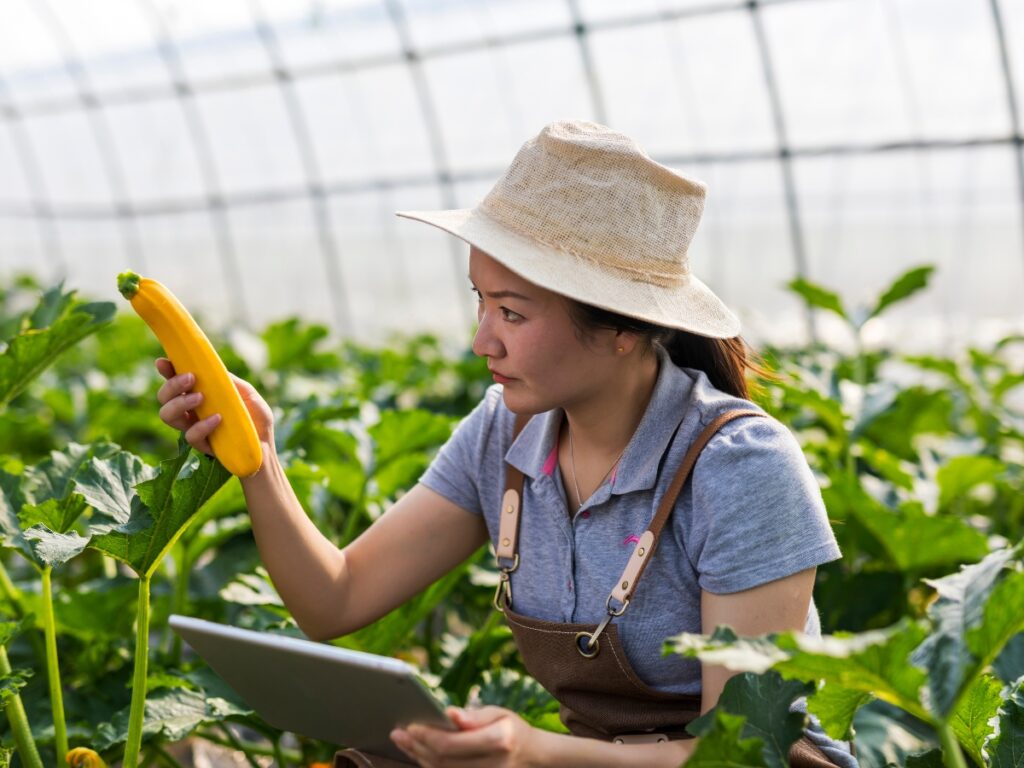
Legacy Landscape Design focuses on building outdoor spaces that are both visually appealing and highly functional.
Their approach to edible landscaping centers on integrating food-producing plants into well-planned landscapes, rather than treating them as separate garden areas.
The result is a space that looks polished while still serving a practical purpose. For commercial properties, this approach adds value in more ways than one.
It enhances curb appeal, creates a unique visual identity, and introduces a productive element that can be used by staff, customers, or the surrounding community.
By combining design expertise with plant knowledge, Legacy Landscape Design creates spaces that feel intentional from the start.
How Commercial Foodscaping Balances Function And Visual Appeal
Designing for commercial spaces requires a different mindset than residential projects. In these settings, edible landscaping needs to perform well while also maintaining a clean, professional appearance.
Every element, from plant placement to layout flow, is considered with both usability and presentation in mind.
The process often begins with understanding how the space will be used. For example, a restaurant may want herbs and produce that can be harvested regularly, while an office space may prioritize low-maintenance greenery that still offers seasonal interest.
These decisions shape the overall design, ensuring that the landscape supports real use without sacrificing aesthetics. Careful plant selection plays a big role here.
Mixing edible plants with ornamental varieties helps maintain structure and visual balance. This allows the space to feel cohesive, rather than overly focused on production alone.
How Consultation Services Support Better Project Outcomes
A strong edible landscaping project starts with clear planning. Legacy Landscape Design places a heavy emphasis on consultation to make sure each project aligns with the client’s goals, space limitations, and long-term expectations.
During the early stages, factors like sunlight exposure, soil condition, and irrigation needs are evaluated. This helps prevent issues later and ensures the design is realistic from the beginning.
Clients are also guided through plant choices, maintenance expectations, and layout options, which makes the decision-making process more straightforward.
This collaborative approach leads to better results because it reduces guesswork. Instead of applying a standard template, each design is shaped around how the space will actually be used. That level of customization is what allows edible landscaping to succeed in commercial environments.
Creating Sustainable And Scalable Edible Landscapes
Sustainability is another key part of the design process. Commercial edible landscaping needs to hold up over time, which means focusing on systems that are efficient and easy to maintain.
This includes thoughtful irrigation planning, soil improvement strategies, and plant combinations that support long-term growth.
By designing with these factors in mind, the landscape becomes more resilient. Maintenance becomes more predictable, and the space continues to perform well as it matures. This is especially important for commercial properties, where consistency matters just as much as appearance.
Scalability is also considered. Whether the project is a small courtyard or a larger outdoor area, the design can be expanded or adjusted over time. This flexibility allows businesses to grow their edible landscaping gradually without needing to start over.
A Thoughtful Approach To Modern Landscape Design
Legacy Landscape Design approaches edible landscaping as part of a larger design strategy rather than a standalone feature. By combining practical use with strong visual planning, they create spaces that feel both functional and refined.
For businesses, this means getting more out of their outdoor areas. Instead of a purely decorative landscape, they gain a space that contributes to daily use while still making a strong visual impression. Over time, this balance is what makes edible landscaping a valuable addition to commercial properties.
Conclusion
Growing your own food through edible landscaping is a rewarding way to create a sustainable, beautiful garden that nourishes both body and soul.
For expert landscaping guidance in designing a productive, aesthetically pleasing edible landscape tailored to your space and goals, trust Legacy Landscape Design.
Ready to transform your yard into a beautiful, bountiful oasis? Call 770-427-2026 or fill out our contact form today for a consultation. Let our team help you cultivate a garden that feeds your family and delights your senses for years to come.