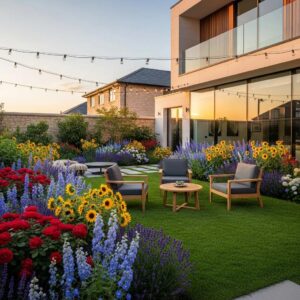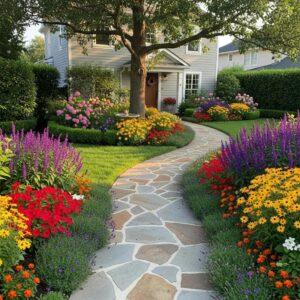
Selecting a landscape style that matches your home’s personality transforms your outdoor space from a generic yard into a cohesive extension of your home’s unique character. Whether your house boasts modern minimalism, rustic farmhouse charm, or traditional Southern elegance, the right landscaping choices—in plant selection, hardscape materials, and layout—can enhance its architectural lines and reflect your personal aesthetic.
In this guide, we’ll help you identify the defining features of your home’s style and explore complementary landscape designs to create a harmonious and inviting exterior that feels authentically yours.
Choose Landscape Style Based on How You Actually Live
What Are the Most Popular Landscape Design Styles for Your Home?
If you are trying to choose landscape style for your home, it helps to start with the big-picture look you are drawn to and then connect it to how you actually use your yard. Landscape design is not one-size-fits-all. The most popular styles tend to stick around because they are flexible and can be adapted to different lot sizes, climates, and home exteriors.
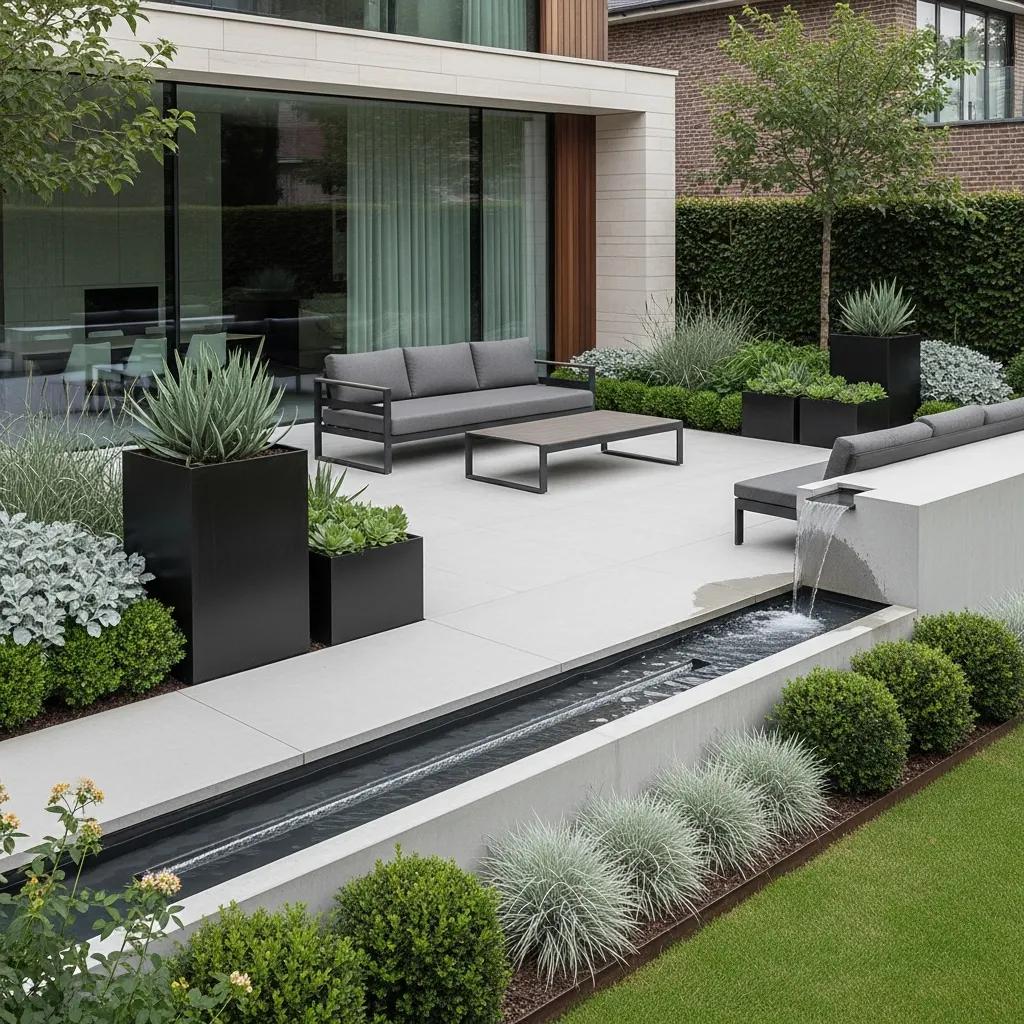
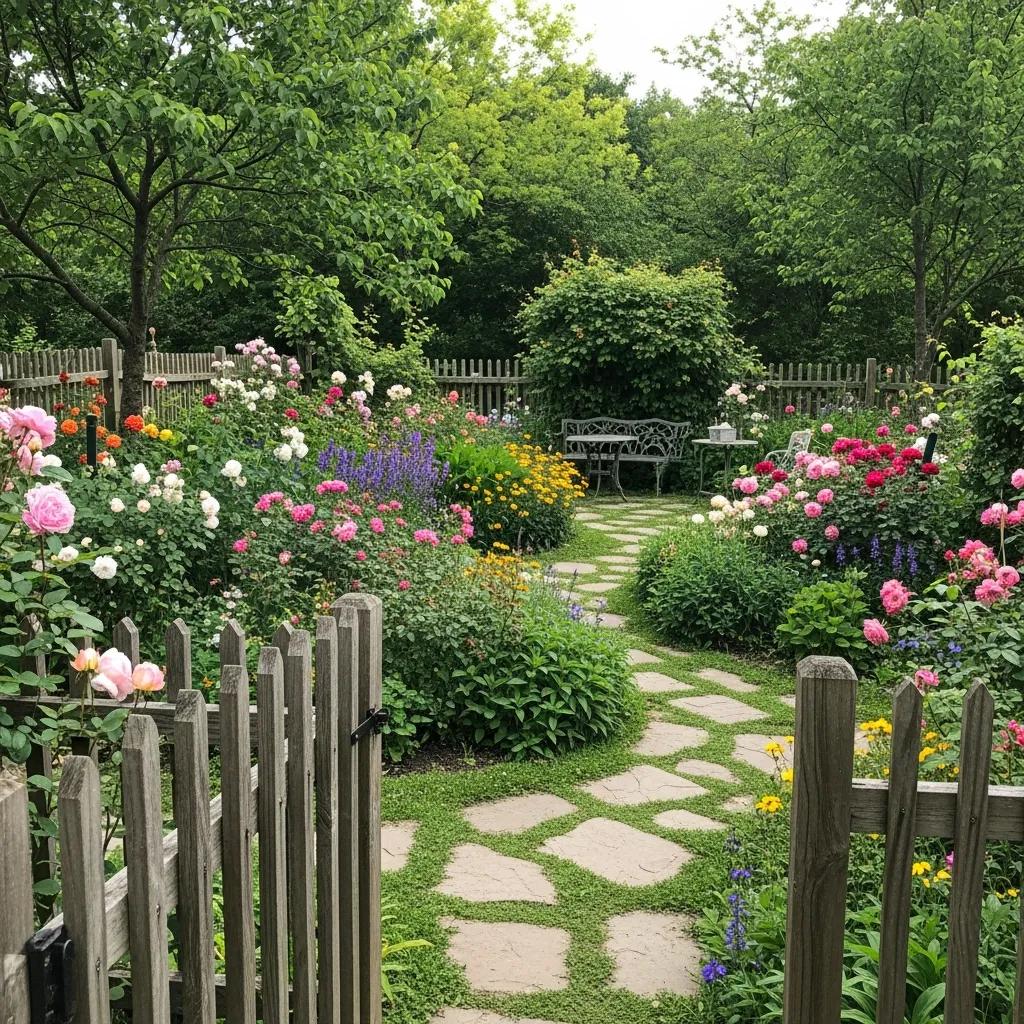
Modern landscape design is a common choice for homeowners who want a clean, uncluttered look. It leans on simple geometry, open space, and a limited plant palette. Instead of mixing dozens of plant types, modern landscapes often repeat a few materials and plants for a cohesive feel. Traditional garden design is more structured in a classic way, often using symmetry, formal edges, and layered plantings. It works well with historic or traditional home architecture, but it can be adapted for newer builds too. Cottage garden style is the relaxed alternative. It features abundant color, a looser planting pattern, and a lived-in charm that feels inviting rather than formal.
These styles are not strict rulebooks. Many homeowners blend elements from more than one approach. The goal is to choose a foundation that complements your home and then personalize it for your space.
Which Features Define Modern And Traditional Garden Designs?
Modern design stands out because of its structure and restraint. Clean lines are a defining feature, whether that is seen in straight pathways, squared planting beds, or crisp edging. Modern landscapes often use repeating shapes and intentional spacing to keep things visually calm. A limited plant palette is another hallmark. Instead of creating a “collection” of plants, modern gardens use repetition to create rhythm. Hardscape elements also carry a lot of the design weight, such as concrete pavers, stone, gravel, metal accents, or clean-lined retaining walls. The overall effect is organized and functional, with plants acting as texture and movement rather than being the main focus.
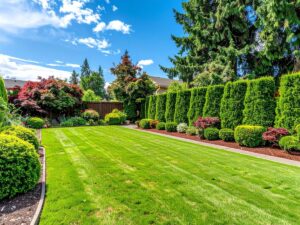
Traditional garden design is structured too, but the feel is softer and more layered. Symmetry is common, especially in front yards or formal garden areas where mirrored plantings create balance. Traditional landscapes tend to use a wider variety of plants, including seasonal color, shrubs, and perennials that fill in over time. Materials like brick, natural stone, and classic garden details are often part of the look. Traditional does not have to mean high-maintenance, but it usually relies on fuller plantings and clearer bed definitions to keep it looking intentional.
If you are trying to choose landscape style, a good test is to look at your home’s lines and materials. Modern landscapes often match homes with simple shapes and contemporary finishes, while traditional gardens complement homes with classic trim, detailed architecture, or established neighborhoods.
How Do Outdoor Living Styles Influence Landscape Choices?
How you live outdoors should shape the design as much as aesthetics. If you host friends and family, you may want the landscape to support gathering. That often means creating a defined seating area, a patio with enough room to move around, and lighting that makes the space usable in the evening. When entertaining is a priority, planting and hardscape choices should guide people naturally through the yard and make the space feel comfortable, not cramped.
Families with children often need open areas that function. That does not always require a large lawn, but it does mean thinking about safe pathways, visibility, and flexible space for play. In those cases, choosing durable materials and plants that can handle activity matters as much as the look.
Functional elements also influence the style you land on. Fire pits, water features, and landscape lighting can fit into modern, traditional, or cottage designs, but they should feel integrated rather than added as an afterthought. When you choose landscape style based on how you use the yard, the result tends to feel more natural, and it is more likely to age well as your needs change.
How Can You Match Your Landscape Style to Your Home’s Architecture?
When you choose landscape style, the most important goal is harmony. Your landscape does not need to copy your home, but it should feel like it belongs there. The easiest way to create that “finished” look is to let the architecture guide your choices. Rooflines, window shapes, exterior materials, and even the age of the home can point you toward a landscape style that feels natural instead of forced.
A modern home with clean lines usually looks best with a landscape that feels equally intentional. A traditional or cottage-style home often looks better with softer shapes, layered plantings, and details that feel established. This does not mean you have to follow strict rules. It means you should use the home as the anchor, then choose plant forms, hardscape materials, and layout patterns that echo what is already there.
What Landscape Styles Complement Modern And Contemporary Homes?
Modern and contemporary homes tend to have strong geometry, minimal trim, and materials like stucco, steel, glass, or smooth siding. The landscape looks most cohesive when it respects those same design cues. A modern landscape often relies on simple shapes, repetition, and negative space, which is the open area that gives the design breathing room.
Geometric plantings work well here because they mirror the structure of the home. Instead of planting in loose clusters, modern landscapes often use clean bed lines and repeating forms. That might mean grouped grasses in a consistent rhythm, clipped shrubs in simple shapes, or a limited palette repeated across the yard. The result is not bare. It is calm and organized.
Hardscape choices also matter when you choose landscape style for a modern home. Materials like concrete pavers, large-format stone, metal edging, and gravel can reinforce the clean look. These elements create clear pathways and usable zones without needing a lot of decorative features. Seating areas often look best when they are integrated into the layout, such as a patio that aligns with the home’s edges or a walkway that follows the same linear direction as the facade.
Water features can fit beautifully in a modern setting, as long as they stay simple. A reflecting-style basin, a clean-lined fountain, or a subtle bubbling element can add movement and sound without competing with the architecture. The key is restraint. Modern landscapes usually feel strongest when every element has a purpose.
Which Garden Themes Suit Traditional And Cottage-Style Houses?
Traditional and cottage-style homes typically have more visual detail. You might see gables, shutters, brick or stonework, and classic trim. Landscapes that complement these homes tend to be fuller, softer, and more layered, with a welcoming feel that matches the architecture’s character.
Traditional garden design often uses balance and structure, but not in a harsh way. Curved bed lines, defined borders, and a mix of shrubs and flowering plants can create a timeless look. Materials like brick, natural stone, or traditional pavers tend to feel right at home with classic exteriors. Small details, such as a low fence or a traditional path, can also strengthen the connection between the house and the yard.
Cottage-style gardens lean even softer. They often include a mix of colorful perennials, herbs, and flowering shrubs that create a relaxed, lived-in look. Winding paths, informal plant groupings, and layered heights make the space feel charming and personal. A picket fence or a simple gate can add to that feeling without turning the yard into something overly themed.
If you like an English garden approach, think of abundant but intentional planting. Roses, herbs, and long-blooming perennials can create a lush look, but it still helps to keep a sense of order through edging or a clear path. Victorian-style gardens can also work for older traditional homes, especially when the landscape includes more intricate patterns and a wider plant mix, but it is easiest to maintain when it is scaled to the yard size.
How To Make The Match Feel Natural
No matter the architectural style, the most cohesive landscapes share a few traits. The layout feels connected to the home’s lines, the materials feel consistent with the exterior finishes, and the plant choices support the mood of the house. Before you commit, step back and look at the home as a whole. If the house feels crisp and minimal, a busy garden can feel out of place. If the house feels warm and classic, an overly stark landscape can feel disconnected.
When you choose landscape style with architecture in mind, the yard starts to look like an extension of the home rather than a separate project. That is what creates curb appeal that feels effortless and outdoor spaces that stay appealing year after year.s, creating inviting outdoor spaces.
What Key Elements Should You Consider In Different Landscape Styles?
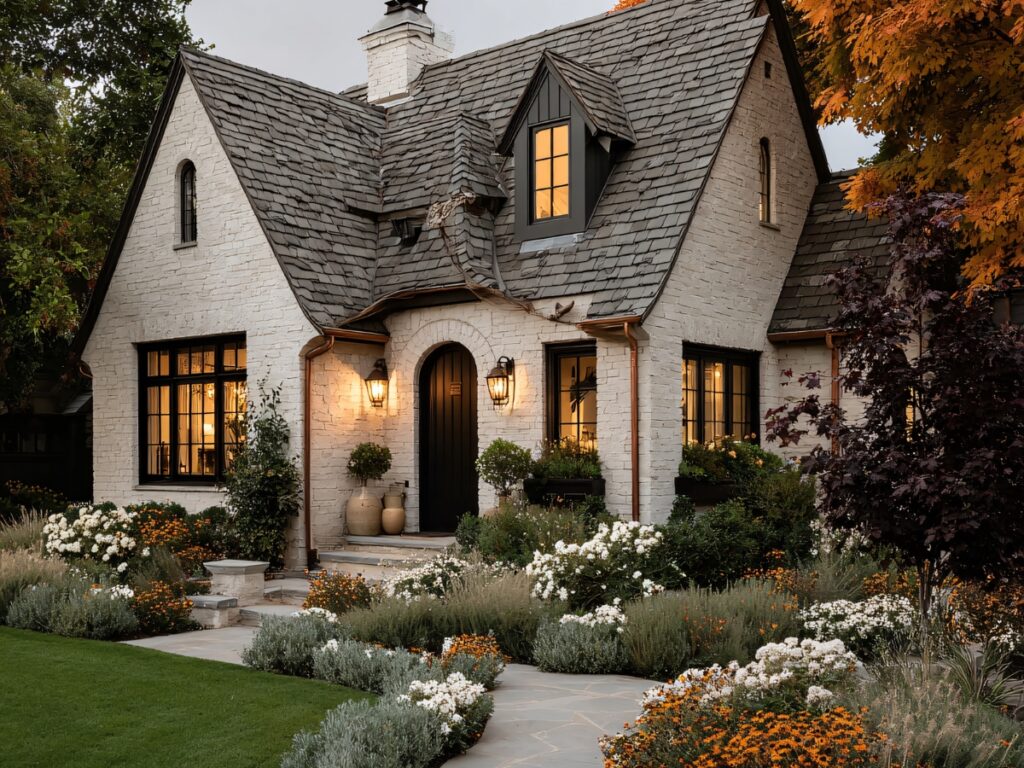
When you choose landscape style, it is easy to get focused on the look and forget the building blocks that make a yard feel complete. Every style, whether it is modern, traditional, or cottage, is really a mix of the same core elements used in different ways. The difference is how much structure you want, how “full” you want the plantings to feel, and how you plan to use the space day to day. If you get those decisions right, the design will feel natural and functional instead of like a collection of random features.
Most landscapes come down to a balance of hardscape, softscape, and a few optional features that add comfort or atmosphere. Hardscape is the built portion, such as patios, walkways, retaining walls, and edging. Softscape is the living portion, including trees, shrubs, flowers, and groundcover. Water, fire, and lighting are often the finishing layers that make outdoor spaces feel inviting and usable beyond daylight hours.
How Do Hardscape And Softscape Features Vary By Style?
Hardscape and softscape look different depending on the style you choose, but the main decision is always the same: do you want the yard to feel structured or natural? Modern landscapes tend to lean on hardscape to create strong lines and clear zones. You will often see wide pavers, concrete, gravel, metal edging, or large stone features. Planting is usually more restrained, with fewer varieties repeated across the space. That repetition creates a clean, intentional look, and the hardscape helps guide movement through the yard.
Traditional gardens use hardscape too, but the materials and layout often feel more classic. Brick, natural stone, and curved pathways are common because they match the softer character of traditional architecture. Softscape is typically fuller than in modern landscapes, with layered shrubs, perennials, and seasonal color. A traditional design often feels “finished” when it includes a clear border, defined beds, and planting that frames entrances or focal points.
Cottage-style landscapes push even further into softscape. The plantings are often abundant and mixed, with a casual, colorful feel. Hardscape still matters, but it is usually simpler and more rustic, such as stepping stones, informal paths, or a small patio tucked into the greenery. If you want a garden that feels welcoming and lived-in, the balance shifts toward plants, and the hardscape acts more as a guide than the main structure.
If you are trying to choose landscape style, think about maintenance and clarity. More hardscape often means cleaner lines and easier upkeep. More softscape can feel richer and more personal, but it usually requires more regular attention to keep it from looking overgrown.
What Role Do Water And Fire Features Play In Garden Design?
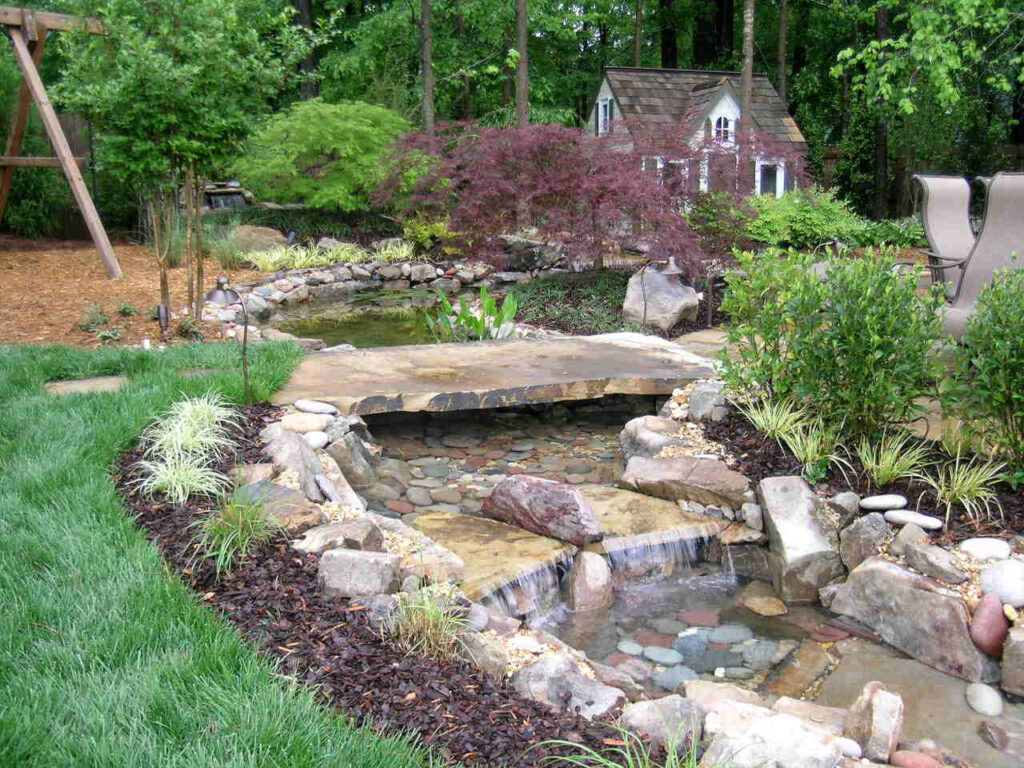
Water and fire features can change the mood of a landscape quickly, but they work best when they fit the style rather than competing with it. A water feature adds movement and sound, which can make a space feel calmer and help soften nearby street noise. In modern landscapes, water features are often simple, like a clean-lined fountain or a reflecting-style basin. In traditional or cottage gardens, water features can be more natural-looking, such as a small pond, a classic tiered fountain, or a tucked-away bubbling element surrounded by planting.
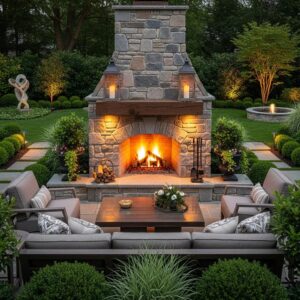
Fire features tend to shape how people use the yard. A fire pit or outdoor fireplace creates a natural gathering point and extends outdoor time into cooler evenings. Modern styles often use clean masonry forms, while traditional designs may lean toward stone or brick that matches other materials in the yard. Cottage gardens can support fire features as well, especially when the seating area feels cozy and surrounded by planting, but it still helps to keep the fire zone clear and functional.
These features can also add environmental value when done thoughtfully. Water features can attract birds and pollinators, and a well-placed fire feature can make an outdoor space feel like a true extension of the home. The key is moderation. One strong feature usually has more impact than several competing ones.
Why Lighting Matters No Matter What Style You Choose
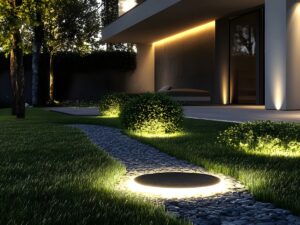
Lighting is often the detail that makes a landscape feel complete. It improves safety by illuminating steps and pathways, but it also adds atmosphere and helps highlight focal points like trees, textured walls, or garden beds. In modern landscapes, lighting is typically subtle and architectural. In traditional and cottage settings, lighting can be warmer and more layered, but it should still feel intentional.
When you choose landscape style, consider lighting early rather than treating it as an afterthought. The best lighting supports how you move through the space and how you want the yard to feel at night, without flooding everything with brightness. A well-lit landscape tends to look more polished, feel more usable, and stay inviting long after the sun goes down.sign.
How Can You Visualize And Finalize Your Landscape Style Choice?
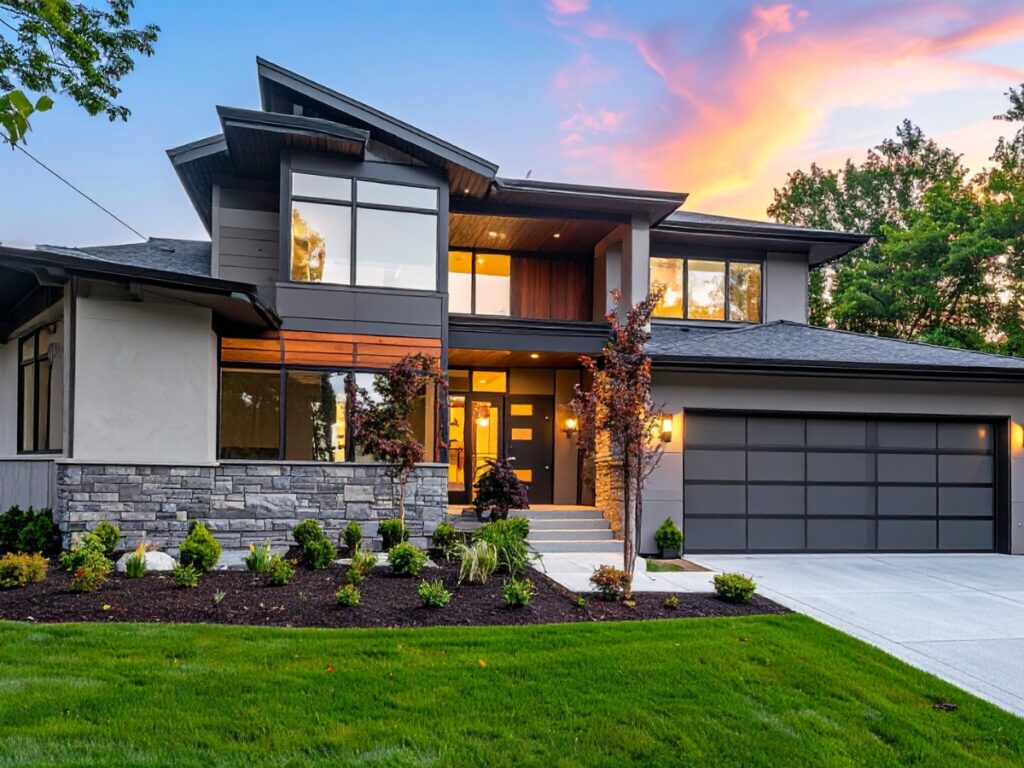
Choosing a landscape style is easier when you can actually see it. It is one thing to say you like “modern” or “cottage,” but it is another to understand how that style will look in your yard, with your home’s exterior, your light patterns, and your existing features. The visualization step helps you connect inspiration to reality, which is essential if you want to choose landscape style with confidence and avoid expensive changes later.
A good plan also makes the build process smoother. When you know where major elements go, such as patios, paths, beds, and focal points, decisions become clearer. You can confirm scale, check sight lines from windows, and make sure the design supports how you actually use the outdoor space. Visualization is not about perfection. It is about reducing guesswork.
What Are The Benefits Of 3D Landscape Design Visualization?
Three-dimensional landscape visualization tools help you see the layout from multiple angles and at human eye level. That is a big step up from sketches because it shows how the yard will feel, not just how it will look from above. When you are trying to choose landscape style, that matters because style is often communicated through proportion. A modern design can feel wrong if the pavers are too small or the beds are overly busy. A cottage garden can feel sparse if the planting layers are too thin. Seeing the design in three dimensions makes those issues easier to catch early.
Another advantage is clarity around plant placement and maturity. Many people underestimate how large plants get, or how much space is needed between shrubs, pathways, and seating areas. A three-dimensional view helps you plan for growth and avoid planting beds that eventually crowd walkways or block views. It also helps you balance hardscape and softscape so the space feels intentional instead of random.
Visualization can also reduce costs by preventing mid-project changes. A lot of landscaping expenses come from adjustments after materials are ordered or installed. If you catch layout issues early, you can fix them on paper instead of in the yard. That might mean shifting a patio edge, widening a path, or moving a focal tree to a better spot. Those changes are much easier when you are still planning.
Finally, visualization builds confidence. If you are investing time and money into your outdoor space, it helps to feel sure about the direction. A realistic preview makes it easier to commit to a style and move forward without second-guessing every decision.
How Does Sustainable Design Enhance Your Outdoor Living Space?
Sustainable design is not a trend. It is a practical approach that can make a landscape easier to maintain and more resilient over time. If you are working to choose landscape style, sustainability can fit into any direction, modern, traditional, or cottage. It is more about the choices you make within the style, such as plant selection, material choice, and how water is managed.
Native and climate-appropriate plants are one of the simplest sustainable upgrades. These plants are usually better adapted to local conditions, which can mean less watering, fewer replacements, and fewer ongoing inputs. They also tend to support wildlife like birds and pollinators, which adds life to the space without extra effort.
Materials matter too. Choosing durable hardscape products and eco-friendly options can reduce waste and improve longevity. Permeable pavers or gravel paths can also help manage runoff and reduce puddling, especially in yards with drainage challenges. Even small shifts, like using mulch strategically or designing beds to retain moisture, can make a noticeable difference in how much maintenance the yard needs season to season.
Sustainability can also improve comfort. Shade trees placed thoughtfully can lower heat around patios. Proper drainage planning can keep outdoor spaces usable after rain. When the landscape is designed with real conditions in mind, the yard tends to feel better to live in, not just better to look at.
How To Make A Final Decision Without Overthinking
Once you have a visual plan and a clear idea of maintenance needs, narrowing down the style becomes easier. Compare your options based on how the yard will function, how much upkeep you want, and whether the design supports your lifestyle. If you entertain often, prioritize flow and seating. If you want low maintenance, focus on clean bed lines, fewer plant varieties, and materials that age well.
The best choice is the one that fits your home and your routine. When you choose landscape style with a visual plan and sustainable priorities in mind, you end up with a yard that looks cohesive, feels usable, and holds up well over time.
Conclusion
Choosing a landscape style that reflects your home’s personality transforms your outdoor space into a natural extension of your living environment. Whether your home is modern and minimalist or classic and cottage-style, the right design creates harmony and enhances your property’s unique character. To bring your vision to life with creativity and expert craftsmanship, partner with Legacy Landscape Design.
Ready to create an outdoor space that feels authentically yours? Call 770-427-2026 or fill out our contact form today for a personalized consultation. Let’s design a landscape that tells your home’s story.