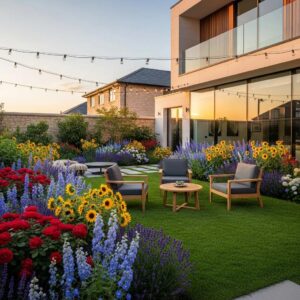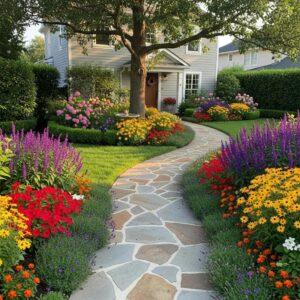
Strategic curb appeal design is one of the most powerful and cost-effective ways to enhance your home’s value, creating an immediate, positive impression that can increase buyer interest and final sale price. From a refreshed front door and well-maintained landscaping to cohesive exterior colors and updated lighting, thoughtful upgrades to your home’s exterior signal care, quality, and style.
In this guide, we’ll explore key design principles and practical projects that maximize visual impact and return on investment, helping you transform your home’s first impression into lasting value.
Curb Appeal Design That Transforms Your Home’s Look
How Does Professional Landscape Design Increase Home Value?
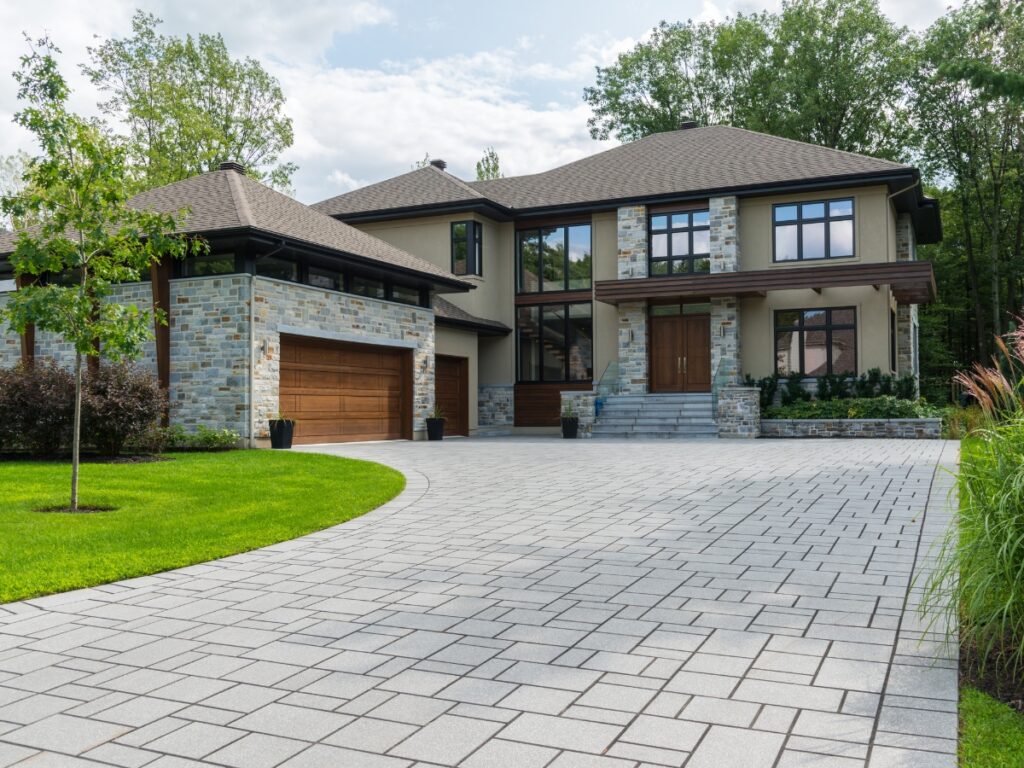
Professional landscape design can increase home value because it changes how a property feels the moment someone pulls up. Buyers tend to make fast judgments based on the exterior, and a yard that looks intentional, healthy, and easy to maintain signals that the home has been cared for overall. This is where curb appeal design matters. It is not just about adding plants. It is about creating a cohesive outdoor look that matches the home’s style and makes the space feel functional instead of random.
Well-planned landscaping also helps buyers picture themselves living there. When walkways are clear, planting beds are defined, and the yard feels balanced, the property comes across as more move-in ready. That perception can influence both interest and pricing, especially in competitive markets where buyers compare several homes in the same neighborhood.
Why Curb Appeal Creates Strong First Impressions
Curb appeal is essentially a home’s “visual handshake.” A clean, structured front yard can make a house look newer, larger, and more welcoming, even when the square footage is the same as nearby homes. Curb appeal design helps by guiding the eye with clear lines, layered planting, and focal points that feel natural, like a well-placed tree, lighting that frames a path, or a front bed that complements the home’s architecture.
This also reduces visual friction. Overgrown shrubs, patchy grass, and mismatched materials can make a home feel like it needs work. In contrast, a tidy layout with healthy plantings and purposeful spacing communicates stability and care. Even small improvements like crisp bed edges, refreshed mulch, and simplified plant groupings can make the exterior feel more “finished,” which can raise perceived value.
How Function And Flow Add Real Buyer Appeal
Landscape design is not only visual. It also improves how the property functions, which can be a real selling point. A thoughtfully designed yard manages movement and usability. For example, clear walkways reduce cluttered foot traffic, defined zones make the outdoor space feel larger, and strategic plant placement can improve privacy without turning the yard into a wall of greenery.
Function also includes practical considerations that buyers notice, even if they do not name them directly. A layout that avoids high-maintenance plantings, minimizes bare soil, and uses materials that hold up through the seasons feels easier to own. Good design can also support drainage, reduce erosion in sloped areas, and prevent landscaping from crowding the home, all of which help protect the property and reduce future maintenance headaches.
What The ROI Conversation Really Means
You will often see estimates suggesting that strong landscaping can raise property value by up to 12%, depending on the market and the quality of the work. The exact number varies, but the underlying point is consistent: buyers pay for homes that feel cared for and complete. Professional landscape design supports that by creating cohesion across the exterior, from the driveway and walkway to planting beds and outdoor living areas.
The best results usually come from focusing on timeless curb appeal design choices. Clean lines, healthy plants, balanced spacing, and materials that match the home tend to hold value better than trendy features that can look dated quickly. When the exterior looks intentional and easy to maintain, it can attract more interest, increase perceived quality, and support stronger pricing at sale.
What Role Do Custom Landscape Plans And 3D Designs Play In Curb Appeal?
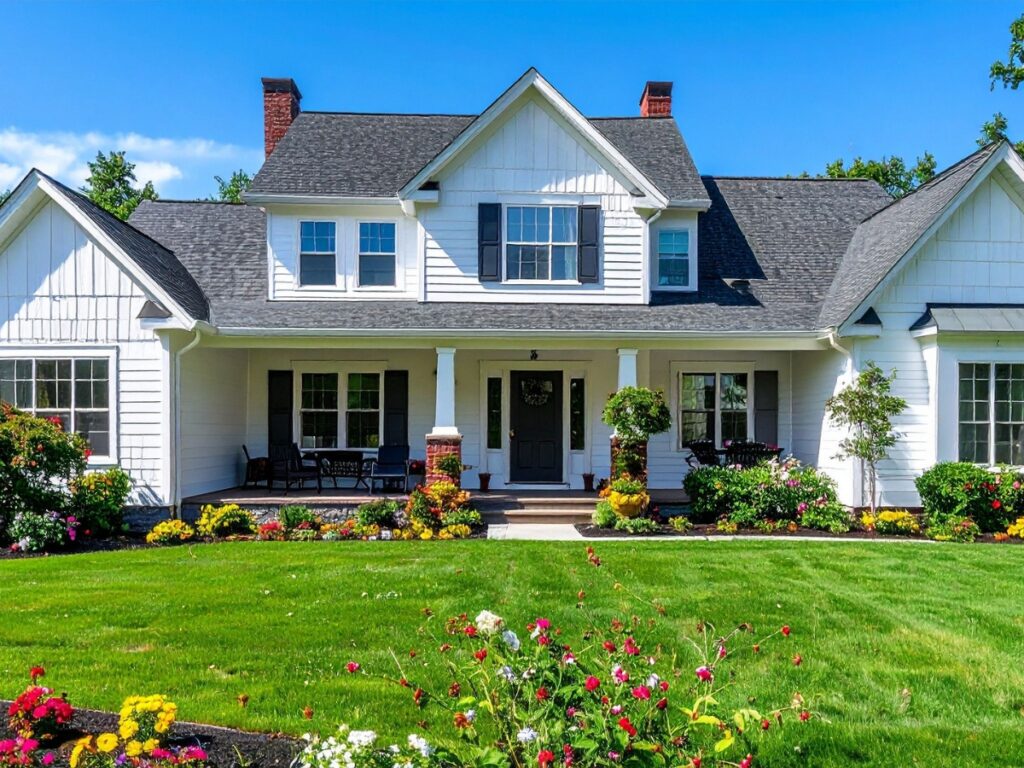
When homeowners invest in landscaping, one of the biggest challenges is uncertainty. It is hard to picture how plants, lighting, hardscape, and layout will look together until the work is finished. Custom landscape plans and 3D designs solve that problem by turning ideas into a clear visual plan before anything is installed. For curb appeal design, that clarity matters because the front of the home is all about first impressions, balance, and proportion. A plan helps ensure the design looks intentional, not pieced together over time.
Custom plans also create a roadmap. Instead of guessing where to place beds, which plants to choose, or how wide a walkway should be, homeowners can make decisions with a full picture of the final result. That reduces costly changes mid-project and helps avoid common mistakes like overcrowding plants, blocking sightlines to the entry, or choosing materials that do not match the home’s style.
Why Custom Plans Help Homeowners Use Space Better
A custom plan is more than a sketch. It accounts for the home’s architecture, the shape of the lot, drainage patterns, sun exposure, and how people actually enter and move through the property. This is especially useful for curb appeal design because the best-looking landscapes are usually the ones that feel organized and easy to understand visually. A plan can define clear zones, such as an entry path, foundation plantings, and feature areas that draw the eye without overwhelming the front of the home.
Custom planning also helps with plant selection. Native and climate-appropriate plants tend to perform better and require less maintenance, which helps the landscape stay attractive over time. A plan can also layer plants correctly, placing taller shrubs or small trees where they add depth, while keeping lower plantings near walkways and windows so the home still feels open and bright.
How 3D Designs Improve Confidence And Reduce Rework
3D designs take planning a step further by showing how the landscape will look in real scale. Homeowners can see heights, spacing, and how elements relate to each other from the street view. This is a major advantage for curb appeal design because many issues are proportional. A plant bed might look fine on paper, but in real life it may feel too narrow, too deep, or out of balance with the front elevation. A 3D view helps catch those problems early.
3D designs also make it easier to compare options. For example, you can visualize different walkway materials, edging styles, or lighting placement without committing first. You can see how a focal point, like a small tree or feature boulder, affects the overall look. This makes decision-making faster and more confident, and it tends to reduce changes after installation begins.
Making Landscaping Feel Like An Investment, Not A Guess
A well-designed front yard usually has a cohesive look, clear structure, and plantings that mature well. Custom plans and 3D designs support that by aligning the homeowner’s goals with what will actually work on the property. They also help prioritize improvements, so curb appeal design efforts focus on the areas that will have the biggest visual impact, such as the entry, walkway, and foundation beds. Instead of trial and error, homeowners end up with a landscape that looks finished from day one and continues to improve as plants fill in.
Which Native Plants And Sustainable Practices Boost Property Value In Georgia?
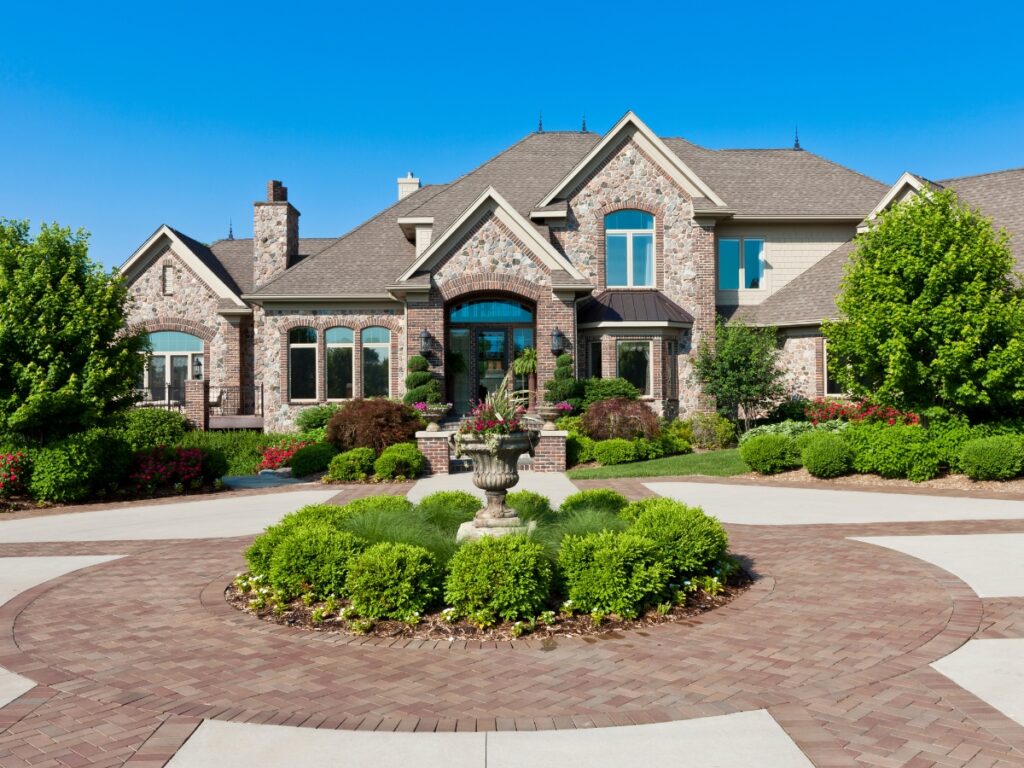
In Georgia, curb appeal design often comes down to two things buyers notice right away: how healthy the landscape looks and how manageable it seems. Native plants and practical, sustainable choices support both. Because natives are adapted to local heat, humidity, and rainfall patterns, they usually establish well, tolerate seasonal swings, and need less ongoing care once mature. That lower-maintenance look can be a selling point, especially for buyers who like a polished yard but do not want a landscape that demands constant attention.
Native plants also help a front yard look more natural and cohesive. Instead of a mix of high-maintenance shrubs and seasonal replacements, a landscape built around region-appropriate plants tends to stay consistent through the year. That consistency supports curb appeal design because the home looks cared for in every season, not only right after fresh mulch or new flowers are installed.
Native Plants That Work Well In Georgia Landscapes
A few native favorites show up often in successful Georgia yards because they provide color, structure, and reliability. Eastern redbud is a classic example. It adds spring blooms and a soft, architectural shape that works well near entry paths or as a small front-yard focal point. Black-eyed Susan and coneflower are popular for adding seasonal color with less fuss than many annuals, and they pair well with other perennials to create a fuller planting bed that does not look bare between bloom cycles.
These plants also appeal to buyers because they signal a landscape that can thrive without constant watering and chemical-heavy maintenance. In curb appeal design, that “easy to keep looking good” impression can be just as valuable as the color itself.
Sustainable Practices That Add Real-World Value
Sustainability can sound like a buzzword, but in landscaping it often means simple, practical choices that reduce water problems and improve long-term performance. Rain gardens are a strong example. In areas where water pools after storms, a rain garden can collect runoff and help it soak into the ground slowly. When designed well, it looks like an intentional garden bed, not a drainage fix, and it can protect the lawn and foundation areas from excess moisture.
Xeriscaping can also support curb appeal design in Georgia, especially in areas that bake in full sun or struggle with patchy grass. Xeriscaping does not mean a yard full of rocks. It means choosing plants and materials that reduce water demand and improve resilience. Drought-tolerant natives, layered mulch, and efficient planting layouts can lower maintenance needs and keep the yard looking intentional during hot weather.
Smart irrigation practices also matter, even when they are not visible. Drip irrigation in beds, proper zoning, and watering schedules that match sun exposure can reduce wasted water and help plants stay healthier. Buyers may not know the system details at first glance, but they will notice if the plants look established, evenly maintained, and not stressed.
Why These Choices Support Curb Appeal Design
A landscape that holds up through Georgia’s seasons tends to look more valuable because it stays attractive without constant repair. Native plants and sustainable practices help prevent common issues like dead patches, washed-out beds, and overgrown shrubs that obscure the home. When curb appeal design is built around plants that thrive locally and systems that manage water wisely, the result is a yard that looks finished, functions better, and feels easier to own.
What Are the Top Hardscaping and Outdoor Living Features That Maximize ROI?
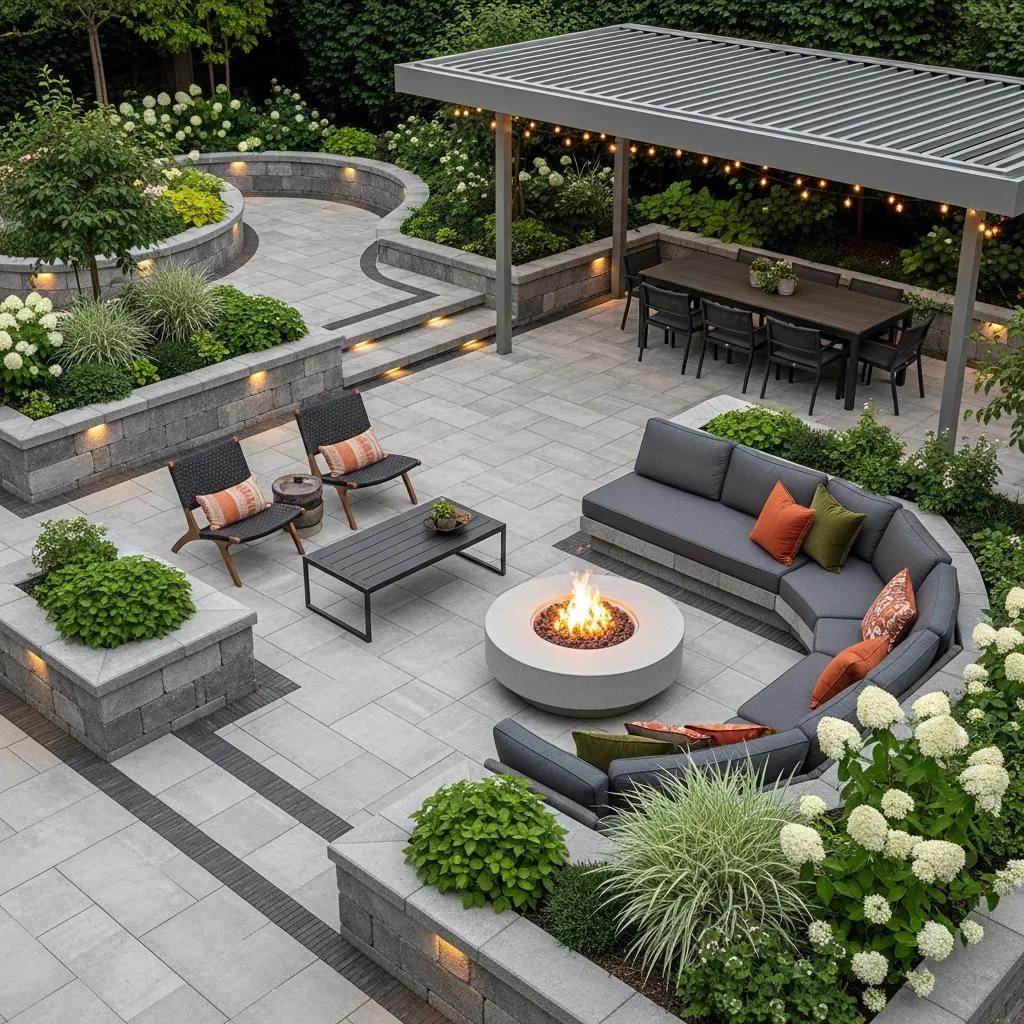
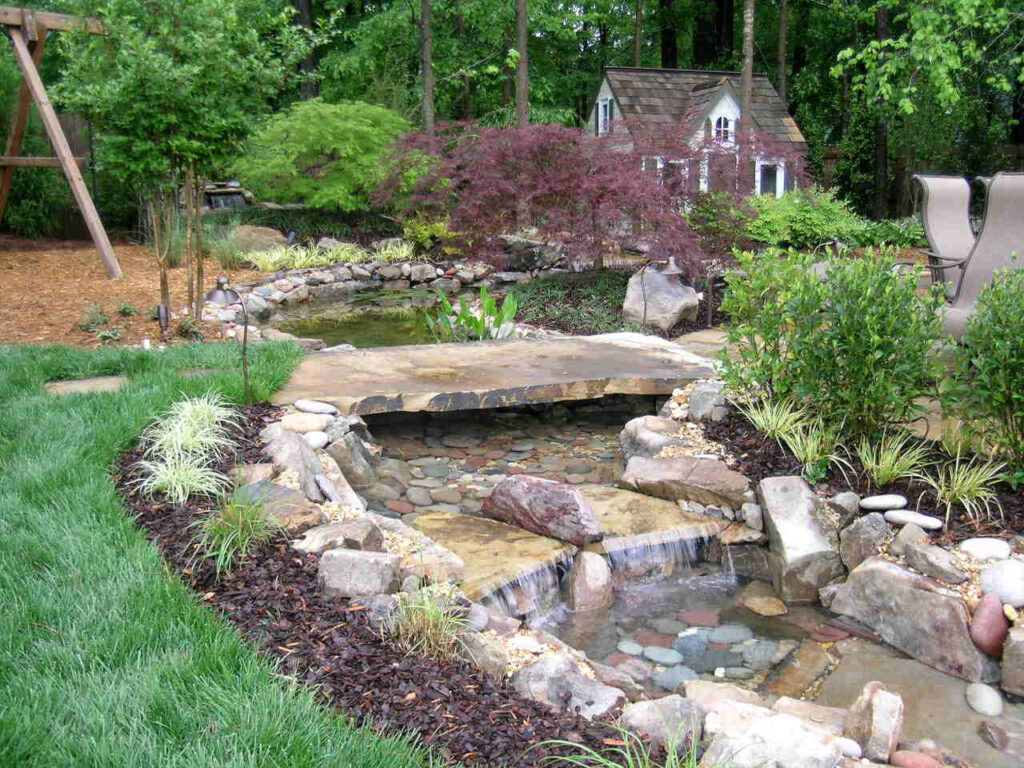
Hardscaping tends to deliver strong value because it makes the yard more usable and gives the property a finished look. Buyers often respond to outdoor spaces that feel intentional and easy to maintain, especially when the layout supports everyday living. The best curb appeal design is not only about plants and color. It is also about structure. Patios, walkways, and retaining walls add definition, guide movement, and make the exterior feel like an extension of the home rather than leftover space.
Hardscaping can also reduce future maintenance. A well-built patio or walkway replaces worn lawn paths and muddy areas with stable surfaces. Retaining walls can control slopes and protect landscaping from erosion. These improvements often matter as much as aesthetics, since buyers notice when a yard looks like it will be easy to live with.
How Do Patios, Walkways, And Retaining Walls Enhance Curb Appeal And Resale Value?
Patios are one of the clearest ways to add functional square footage outdoors. A patio creates a defined place for seating, grilling, or casual meals, and it can make a smaller yard feel more organized. From a curb appeal design standpoint, patios also help balance the landscape by adding clean lines and visual weight. They can tie together the home’s exterior materials and make the backyard or side yard feel purposeful instead of empty.
Walkways matter because they shape the first experience of the property. A clear, attractive path to the front door makes the home feel more welcoming and easier to navigate. It also helps keep landscaping from feeling chaotic, since the walkway becomes a visual anchor. When the path width and materials match the home, the entire front elevation tends to look more cohesive.
Retaining walls add value when they solve a real site problem and still look polished. In sloped yards, they can create level planting areas, prevent washouts, and protect the foundation and hardscape from runoff. They also add depth and dimension to the yard, which supports curb appeal design by giving the landscape more structure. A well-integrated retaining wall can make a difficult slope look intentional, which is something buyers tend to appreciate.
Why Are Outdoor Kitchens And Fire Pits Considered High-Value Additions?
Outdoor kitchens and fire pits are popular because they extend how long the outdoor space can be used through the year. They can also make a home feel more lifestyle-friendly, which influences buyer interest. That said, ROI depends heavily on scale and how well the feature matches the neighborhood. A simple, practical setup often performs better than a highly customized build that only fits one type of buyer.
Outdoor kitchens can add value when they are designed with durability and function in mind. Built-in grilling areas, counter space, and storage can make entertaining easier, especially when the layout is close enough to the indoor kitchen to feel convenient. The best curb appeal design approach is to keep materials consistent with the home and avoid overbuilding for the lot size. Features that look like they belong tend to age better and appeal to more buyers.
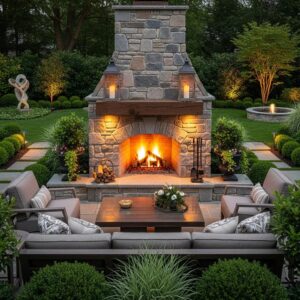
Fire pits are often seen as a high-value addition because they create a natural gathering spot without requiring a large footprint. They also help a yard feel cozy and finished. A fire pit can support curb appeal design when it is paired with a clear seating area, stable surfacing, and thoughtful placement that keeps smoke away from doors and windows.
Overall, the highest ROI hardscaping features are the ones that improve function, solve common yard issues, and make the exterior feel cohesive. When outdoor living upgrades fit the property and the neighborhood, they usually strengthen both resale appeal and day-to-day enjoyment.
How Can Exterior Enhancements and Technology Improve Property Appeal?
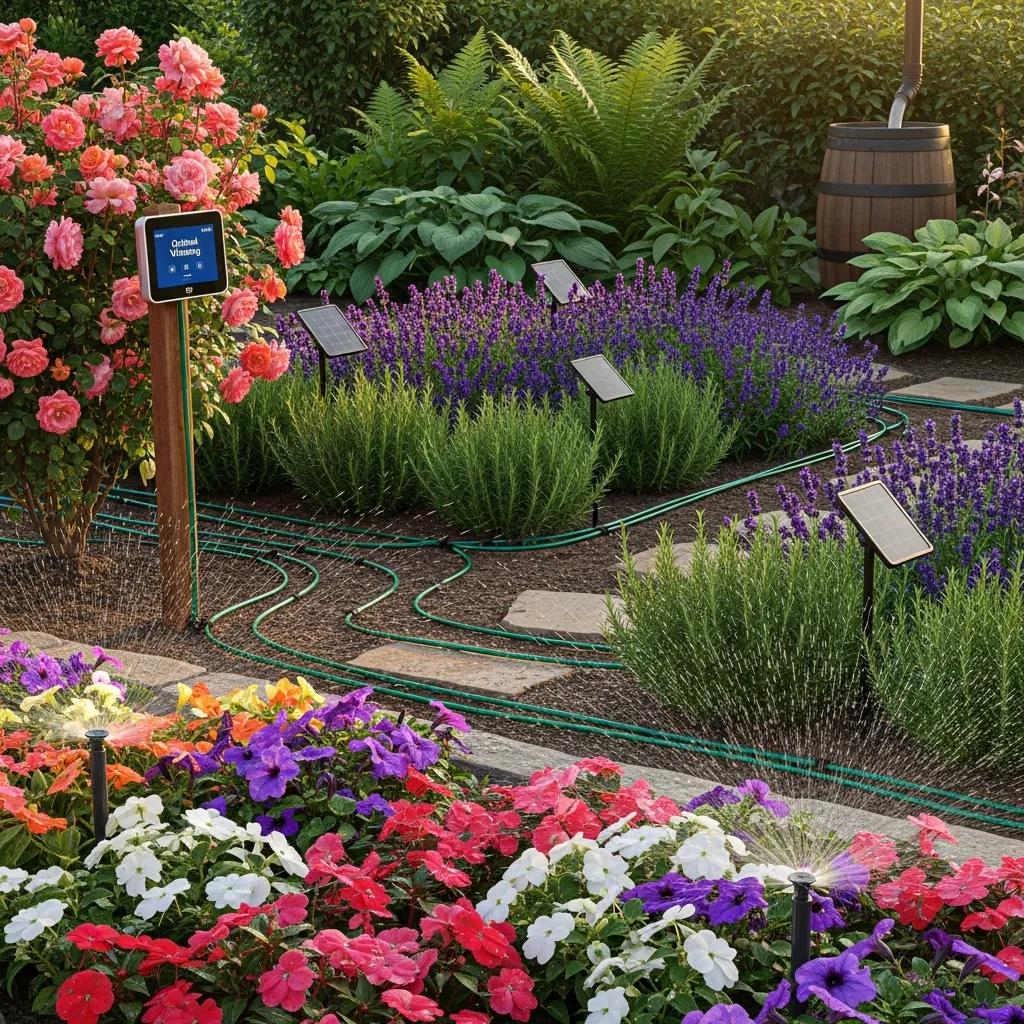
Exterior upgrades are often the fastest way to change how a home is perceived, especially from the street. When outdoor spaces look polished and function well at night, buyers tend to assume the rest of the property is equally well maintained. Technology can support that impression by making the landscape easier to manage and more consistent through the seasons. In curb appeal design, the goal is not to add gadgets for the sake of it. The goal is to improve comfort, visibility, and maintenance in ways buyers can immediately feel.
Modern exterior features also signal efficiency. A home that has lighting placed with purpose and watering that appears controlled looks more intentional than one relying on random fixtures and guesswork. Those details can help a property stand out, even when buyers are comparing similar homes in the same neighborhood.
What Impact Does Outdoor Lighting Have On Home Security And Market Value?
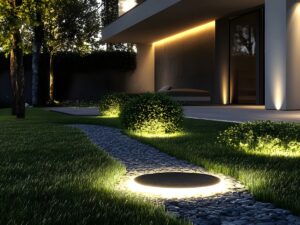
Outdoor lighting does more than brighten the yard. It changes how safe and welcoming a property feels. Well-lit walkways, steps, and entry points reduce the risk of trips and falls while making it easier for guests to move around at night. That practical value ties directly into curb appeal design because it improves first impressions after sunset, which is when many people arrive home from work or schedule evening showings.
Lighting also supports security. A bright, visible entry can discourage unwanted activity and reduce dark hiding spots around doors, garages, and side yards. Even simple lighting choices, like path lights leading to the front door or subtle uplighting on key landscape features, can make the property feel more protected and cared for.
From a market standpoint, outdoor lighting helps highlight the best parts of the exterior. It can frame a front porch, emphasize architectural details, and draw attention to mature trees or layered plant beds. That makes the home more visually appealing and can elevate how buyers perceive the overall quality of the exterior. In other words, lighting makes curb appeal design work around the clock instead of only during the day.
How Do Smart Irrigation Systems Support Sustainable Landscaping And Long-Term Value?
Smart irrigation systems are popular because they remove a lot of the guesswork from watering. Instead of running on a fixed schedule no matter what the weather is doing, smart systems can adjust based on conditions like rainfall and soil moisture. That can reduce overwatering, prevent waste, and help avoid common landscape problems like fungus, root rot, and uneven plant health.
This supports curb appeal design in a practical way. A landscape that looks consistently healthy is more attractive to buyers, and smart irrigation can help maintain that consistency without constant manual attention. It can also prevent the cycle many homeowners fall into, where plants are under-watered during hot weeks and then over-watered to compensate, leading to stress and patchy growth.
Smart watering can also protect long-term value by supporting sustainability. Buyers increasingly notice whether a landscape looks efficient or high maintenance. When the lawn and beds appear well managed, and the watering approach is clearly controlled, the yard feels easier to own. For properties in climates with hot summers and unpredictable rainfall, that can be a real selling advantage.
When used thoughtfully, exterior technology upgrades do not complicate the yard. They simplify it. Outdoor lighting improves safety and presentation, while smart irrigation supports healthier plantings with less waste. Together, they strengthen curb appeal design by making the exterior look intentional, functional, and consistently maintained.
What Maintenance And Seasonal Updates Sustain High Curb Appeal For Resale?
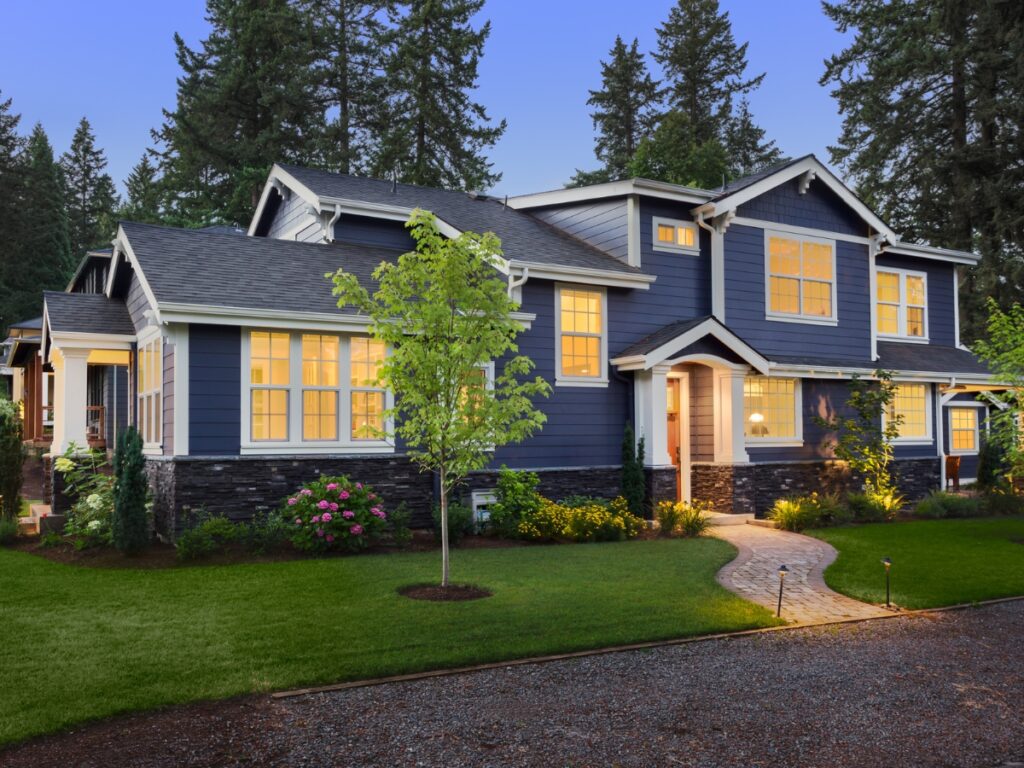
Strong curb appeal does not come from one big weekend project. It is usually the result of consistent upkeep and a few smart seasonal updates that keep the yard looking intentional. For resale, this matters because buyers notice the exterior first, and they tend to assume the interior will match the level of care they see outside. If you want curb appeal design that holds up over time, the goal is to maintain a clean, healthy baseline and refresh the front yard in ways that feel current without looking overdone.
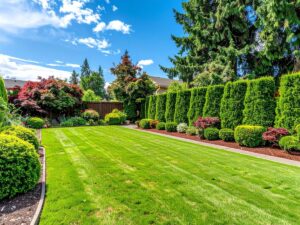
A good routine starts with the basics: healthy turf or ground cover, neat edges, and plants that are not blocking windows or crowding walkways. Small details can change the entire first impression. A tidy entry path, trimmed shrubs, and fresh mulch often make a home look more “move-in ready,” even if the landscaping is simple.
Which Low-Maintenance Landscaping Choices Preserve Home Value Over Time?
Low-maintenance landscapes tend to sell well because they look manageable. Buyers often like the idea of a beautiful yard, but they do not want a long list of chores. Drought-tolerant plants, native plantings, and hardy ground covers can support curb appeal design because they stay attractive with less intervention. In Georgia, native plants often handle heat, humidity, and seasonal rain patterns better than fragile ornamentals, which means fewer replacements and less stress during the hottest months.
Hardscaping can also reduce maintenance while improving structure. Defined bed borders, stone or mulch pathways, and clean edging help the yard look organized and limit weeds from spreading. A landscape that relies on a few well-chosen shrubs, layered perennials, and stable ground cover typically holds its shape better than one filled with seasonal plants that fade quickly.
Mulch is another simple but effective tool. Fresh mulch not only looks clean, but it helps retain moisture and reduces weed growth. The key is using it thoughtfully so beds look crisp, not piled high against trunks or foundation lines.
How Do Seasonal Front Yard Renovations Influence Buyer Perception In Metro Atlanta?
Seasonal updates matter because they signal attention and freshness. In metro Atlanta, where showing seasons can include humid summers and unpredictable rain, buyers respond well to front yards that look tidy and well managed despite the weather. Seasonal color can help, but it should be used as an accent, not the main feature. A few planters near the entry, a refreshed bed edge, or a cleaned-up front border can make the home feel welcoming without turning the yard into a high-maintenance project.
Seasonal refreshes also give you a chance to correct small issues before they become distractions. Overgrown shrubs, bare patches in the lawn, or muddy areas near downspouts can make buyers wonder what else has been neglected. Addressing these items supports curb appeal design by keeping the exterior clean and predictable, which helps the property photograph better and show better in person.
Lighting can also be a seasonal upgrade that pays off, especially in fall and winter when daylight fades earlier. A well-lit entry path and subtle highlighting of key landscape elements can make the home feel safer and more inviting during evening showings.
Keeping Curb Appeal Design Consistent For Resale
For long-term resale value, curb appeal design works best when it is consistent. Choose plants and materials that look good across seasons, maintain a clean layout, and refresh the high-visibility areas like the entry and front beds. When the exterior feels organized and easy to care for, buyers tend to view the home as higher quality, and that perception can support stronger interest when it is time to sell.
Conclusion
Investing in professional curb appeal design is one of the most effective ways to increase your home’s market value and create a lasting, positive first impression. From vibrant landscape beds and elegant hardscapes to a welcoming entryway, a cohesive exterior design makes your property stand out.
At Legacy Landscape Design, we craft personalized outdoor spaces that maximize both beauty and return on investment. Ready to transform your home’s exterior? Call 770-427-2026 or fill out our contact form today for a consultation. Let’s build the curb appeal that sells itself.