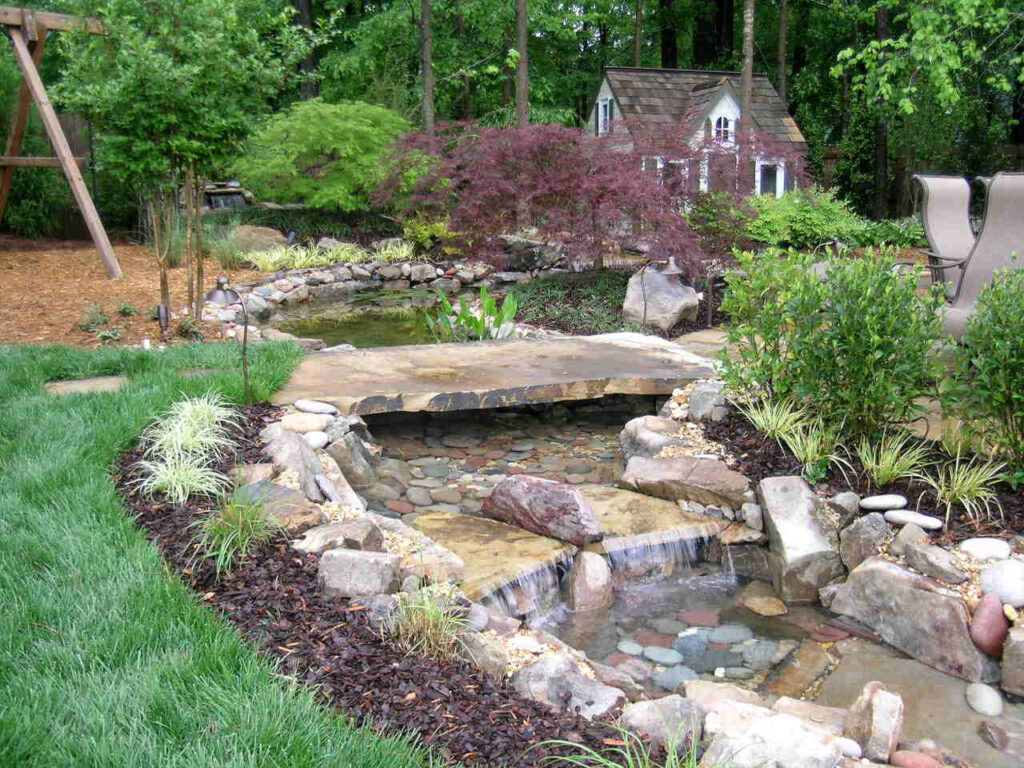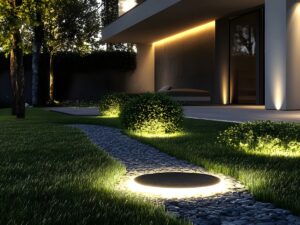
Professional landscaping lighting offers far more than simple beauty after sunset—it’s a strategic enhancement that increases safety, extends outdoor living hours, and boosts property value. Well-designed lighting illuminates pathways to prevent trips and falls, highlights architectural and botanical features to create dramatic curb appeal, and deters potential intruders by eliminating dark hiding spots around your home.
This guide explores the essential professional landscaping lighting benefits for homeowners, demonstrating how thoughtful illumination transforms your property into a secure, functional, and enchanting retreat long after the sun goes down.
Professional Landscaping Lighting Benefits That Extend Outdoor Living
How Does Professional Outdoor Lighting Enhance Curb Appeal and Home Value?

Professional outdoor lighting has a powerful effect on how a home is perceived, both during everyday living and when it comes time to sell. One of the most noticeable landscaping lighting benefits is improved curb appeal. Thoughtfully designed lighting draws attention to a home’s best features after sunset, creating a polished and inviting look that feels intentional rather than accidental. A well-lit exterior often makes a property appear more cared for, which can influence how neighbors, guests, and potential buyers view its overall quality.
From a value perspective, exterior lighting can strengthen a home’s market appeal. Buyers often respond positively to homes that feel welcoming and secure in the evening hours. When architectural details and landscaping are clearly visible at night, the property feels larger, warmer, and more refined. While lighting alone does not determine a home’s price, it can contribute to a stronger first impression, which is often a deciding factor in competitive markets. These landscaping lighting benefits work together to enhance both emotional appeal and perceived value.
What Architectural Features Can Landscape Lighting Highlight?
Landscape lighting is especially effective at emphasizing architectural elements that may go unnoticed during the day. Entryways are a prime example. Soft lighting around doors and porches naturally draws the eye and signals where guests should approach. A well-lit entry feels welcoming and makes the home easier to navigate after dark.
Columns, pillars, and textured walls also benefit from lighting placed at the right angles. Uplighting can add depth and dimension, making flat surfaces appear more dynamic. This type of lighting highlights craftsmanship and creates visual interest without overwhelming the structure. Over time, these subtle enhancements become part of the home’s identity, reinforcing a sense of style and cohesion.
Landscaping itself plays an equally important role. Trees, shrubs, and garden beds gain new presence when illuminated at night. Strategic lighting can showcase mature trees as focal points or gently outline planting areas to frame the home. One of the key landscaping lighting benefits is the ability to enjoy outdoor spaces beyond daylight hours, turning the yard into an extension of the home rather than something that disappears after sunset.
How Does Pathway Lighting Create Welcoming Entrances?
Pathway lighting serves both functional and aesthetic purposes, making it one of the most practical elements of outdoor lighting design. From a safety standpoint, illuminated walkways help prevent missteps by clearly defining paths, edges, and elevation changes. This is especially important in areas with uneven ground, steps, or landscaping features that can be difficult to see at night.
Beyond safety, pathway lighting sets the tone for how visitors experience the home. Soft, evenly spaced lights guide guests naturally toward the entrance, creating a sense of flow and ease. Rather than feeling harsh or overly bright, well-designed pathway lighting adds warmth and balance to the overall exterior. Decorative fixtures can complement the home’s style, whether that means a more traditional look or a modern, minimalist feel.
These practical and visual advantages are central landscaping lighting benefits that homeowners often appreciate right away. A well-lit path feels intentional and inviting, helping guests feel comfortable from the moment they arrive.
Why Outdoor Lighting Is A Long-Term Investment
Professional outdoor lighting offers lasting value because it enhances how a home looks, feels, and functions every evening. The combination of architectural emphasis, landscape visibility, and safe navigation creates an exterior that feels complete rather than unfinished. Over time, homeowners tend to spend more time outdoors at night, enjoying patios, gardens, and walkways that feel usable and secure.
When considering long-term improvements, the landscaping lighting benefits extend beyond aesthetics. A well-designed lighting system supports property value, improves usability, and strengthens curb appeal in a way that remains effective year-round. For homeowners looking to elevate their exterior without major structural changes, professional outdoor lighting is one of the most impactful upgrades available.
In What Ways Does Outdoor Lighting Improve Residential Safety and Security?
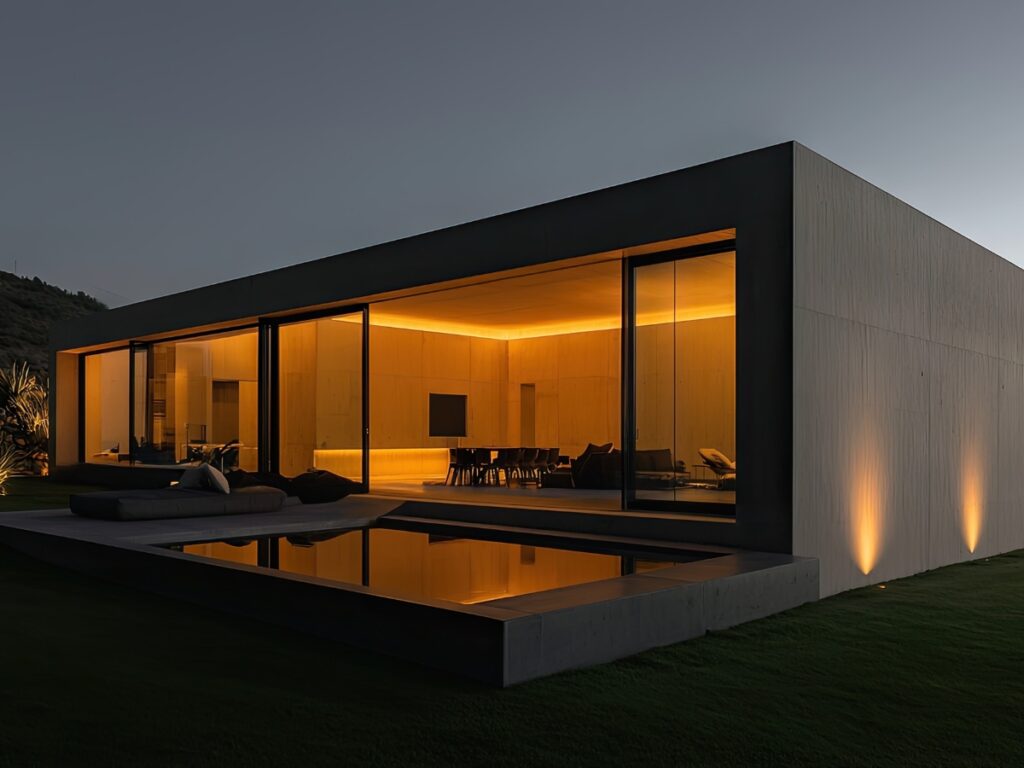
Outdoor lighting is one of the simplest upgrades that can make a home feel safer at night. When key areas are well lit, it becomes harder for someone to approach unnoticed and easier for residents to move around without tripping hazards. These are practical landscaping lighting benefits that show up right away, especially for homes with long driveways, side yards, or uneven walkways. Good lighting does not need to be harsh to be effective. The goal is clear visibility in the places where people walk, enter, and spend time, while also reducing dark corners that can feel like hiding spots.
Security is often about reducing opportunity. When the exterior of a home is consistently lit in smart places, it sends a signal that the property is actively maintained and easier to observe. It also supports everyday safety, which is just as important. Steps, changes in grade, and cluttered walkways are common causes of nighttime accidents, and lighting helps prevent those issues before they happen.
How Do Motion-Sensor Lights Deter Intruders?
Motion-sensor lights are popular because they combine security with efficiency. Instead of staying on all night, they activate only when movement is detected. That sudden change can startle someone approaching the home and draw attention to the area at the exact moment it matters. One of the main landscaping lighting benefits of motion lighting is that it creates instant visibility without requiring constant illumination.
Motion lighting also helps homeowners monitor what is happening outside. If lights turn on unexpectedly, it provides a clear cue that something has moved near the home, whether it is a person, an animal, or even a car pulling in. This added awareness can be valuable in side yards, near garages, and around back entrances where activity may be harder to notice.
Because motion-sensor lights run only when triggered, they can also reduce unnecessary energy use compared to lights that stay on through the night. That balance of function and practicality makes them a common choice for homeowners who want improved security without over-lighting their property.
Why Is Illuminating Walkways Important For Fall Prevention?
Walkway lighting is one of the most important safety upgrades a homeowner can make, especially for households with children, older adults, or frequent guests. Even familiar paths can become risky in low light. Uneven paving, steps, tree roots, or small changes in elevation can be hard to see at night, and those are common causes of trips and falls. When walkways are illuminated, obstacles become easier to spot, and people naturally move with more confidence.
Lighting design matters here. The goal is even coverage that defines the path clearly, rather than spotty light that leaves alternating bright and dark patches. Fixtures should be positioned to reduce glare and improve visibility of the walking surface, particularly near stairs, landings, and transitions from driveway to sidewalk.
Research on falls and lighting supports the idea that low illumination can affect gait and stability, especially in older adults. When the walking plane is clearly defined with visual cues, fall risk can be reduced. This is another example of landscaping lighting benefits that go beyond appearance and directly support safety.
Well-lit walkways also encourage more use of outdoor space. People are more likely to take the trash out, walk the dog, or greet guests outside when the path feels safe. That increased comfort makes the home more functional at night while lowering the chance of accidents.
A Safer Home With Smart Lighting Choices
Outdoor lighting improves residential safety by making walking areas easier to navigate and by reducing the dark zones that can make a property feel less secure. Motion-sensor lighting adds an extra layer of awareness, while pathway lighting supports fall prevention and everyday usability. These landscaping lighting benefits work together to create an exterior that feels more comfortable, more visible, and safer for everyone who lives there or visits.
How Can Professional Lighting Extend Outdoor Living Spaces with Ambiance?

Outdoor spaces do not have to shut down when the sun goes down. With the right lighting plan, patios, decks, and gardens become usable parts of the home at night, not just areas you pass through. One of the most practical landscaping lighting benefits is how it expands when and how you can enjoy your property. Instead of retreating indoors after dinner, you can stay outside to relax, entertain, or simply enjoy the atmosphere of a well-lit yard.
Ambiance is not about brightness. It is about creating layers of light that feel comfortable and intentional. Professional lighting design focuses on balance, using softer illumination where people gather and more targeted lighting to highlight landscaping elements. The result is an outdoor space that feels inviting rather than harsh, with enough visibility to move around confidently.
What Are The Benefits Of Patio And Deck Lighting For Evening Use?
Patio and deck lighting makes outdoor seating areas feel like an extension of the interior living space. When lighting is thoughtfully placed, it creates a warm glow that encourages people to linger, whether it is a quiet evening outside or a casual gathering with friends. This is one of the landscaping lighting benefits homeowners notice immediately, because it changes the way the space is used.
Even low-level lighting can improve usability. When guests can clearly see seating areas, table surfaces, and walking paths, the space feels more functional and comfortable. People are less likely to crowd around a single light source or avoid darker corners. Instead, the entire patio or deck becomes a practical area for dining, conversation, or relaxing.
Safety is another advantage that comes with good patio and deck lighting. Steps, edges, and transitions between surfaces can be easy to miss in low light, especially when the ground is wet or uneven. Lighting placed near stairs, railings, or changes in elevation helps prevent missteps without making the space feel overly bright. That combination of comfort and visibility is a key reason patio lighting remains one of the most valuable landscaping lighting benefits for everyday living.
How Does Garden And Water Feature Illumination Create Mood?
Garden lighting adds depth and mood by drawing attention to the natural features of the yard. A landscape that looks flat at night can become visually layered when trees, shrubs, and planting beds are softly illuminated. Instead of the yard disappearing into darkness, specific areas become focal points, creating a sense of structure and design after sunset.
Water feature lighting can be especially effective for setting a calm tone. Light reflecting off moving water creates a gentle visual effect that can make the space feel quieter and more relaxing. Even small features like a fountain or pond can feel more intentional at night when lit correctly. This is one of the landscaping lighting benefits that goes beyond function and becomes part of the outdoor experience.
Strategic lighting also helps create separation between zones. A softly lit garden edge can frame a patio, while a highlighted tree can anchor the space visually. These design choices influence mood by making the yard feel more cohesive, which often makes outdoor areas feel larger and more comfortable to spend time in.
Making Outdoor Spaces Feel More Livable At Night
Professional lighting extends outdoor living by combining ambiance, usability, and safety into one plan. Patio and deck lighting makes gathering spaces feel welcoming after dark, while garden and water feature illumination adds mood and visual interest. These landscaping lighting benefits give homeowners more time to enjoy their outdoor spaces, turning the yard into a place that feels livable well into the evening.
Why Choose Expert Installation for Energy Efficient Outdoor Lighting?
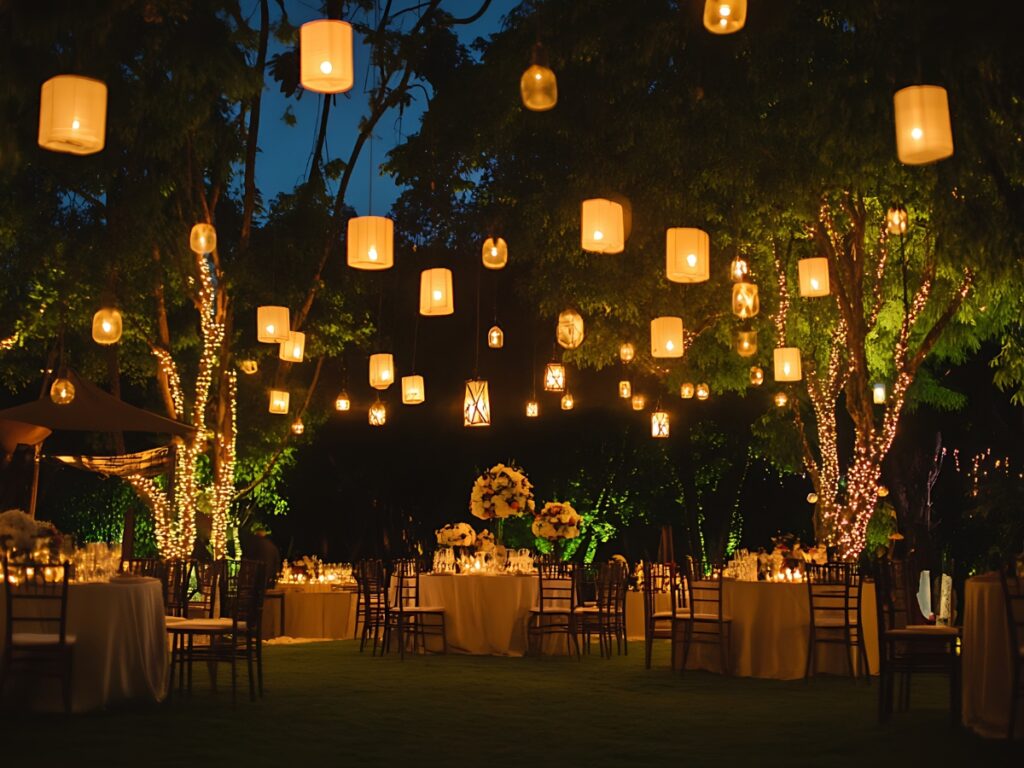
Outdoor lighting often looks straightforward, but the difference between a system that works for a season and one that performs for years usually comes down to planning and installation. One of the most practical landscaping lighting benefits is energy efficiency, and that efficiency depends heavily on placement, fixture selection, and how the system is built. When lighting is installed with intention, you get the visibility you need without wasting electricity on areas that do not add value.
Energy efficient outdoor lighting is not just about using modern fixtures. It is also about using the right number of lights in the right locations. A professional plan helps avoid the common mistake of trying to fix dark areas by adding more fixtures than necessary. Instead, installers focus on coverage and angles, using layered lighting to guide movement, highlight key features, and provide safety without flooding the yard with brightness. This approach improves results while keeping operating costs under control.
Expert installation also helps the property look better at night. Poorly placed fixtures can create glare, harsh shadows, and bright spots that distract from the landscape. Glare is especially common when lights are aimed too high or installed at the wrong height. It can make walkways harder to see and reduce the overall comfort of the space. A professional installer accounts for sight lines and viewing angles so the lighting feels balanced and natural rather than overly bright or uneven.
Another reason expert installation matters is reliability. Outdoor systems are exposed to rain, humidity, soil moisture, sprinklers, and temperature changes. If fixtures are installed in the wrong location or wiring is not protected properly, problems show up faster. Lights may flicker, fail early, or stop working after storms. Professional installers plan around these conditions by choosing appropriate fixture types, placing them in protected zones when possible, and routing wiring in a way that reduces long-term wear.
Safety is also part of the conversation. Lighting systems involve electrical components, and outdoor wiring needs to be installed correctly to reduce risk and avoid future issues. A properly installed system provides consistent illumination where people walk, such as steps, paths, and entry points. This is one of the most immediate landscaping lighting benefits because it reduces trips and falls while making the home easier to navigate after dark.
Expert installation also helps homeowners avoid the cycle of constant adjustment that often comes with DIY setups. Many DIY lighting systems start with good intentions but require repeated tweaks to fix uneven coverage, misaligned beams, or fixtures that shift over time. A professional approach typically includes a clearer layout, secure placement, and a design that holds up through seasons of yard work and weather changes. That stability saves time and prevents the gradual decline that can make outdoor lighting look messy after a year or two.
In the end, choosing expert installation is about getting a system that looks good, works reliably, and stays efficient over time. With the right design and proper placement, the landscaping lighting benefits extend beyond curb appeal. You get safer walkways, better nighttime usability, and a cleaner look that does not rely on excessive brightness to make an impact.
What Advantages Do LED Lighting Solutions Offer?
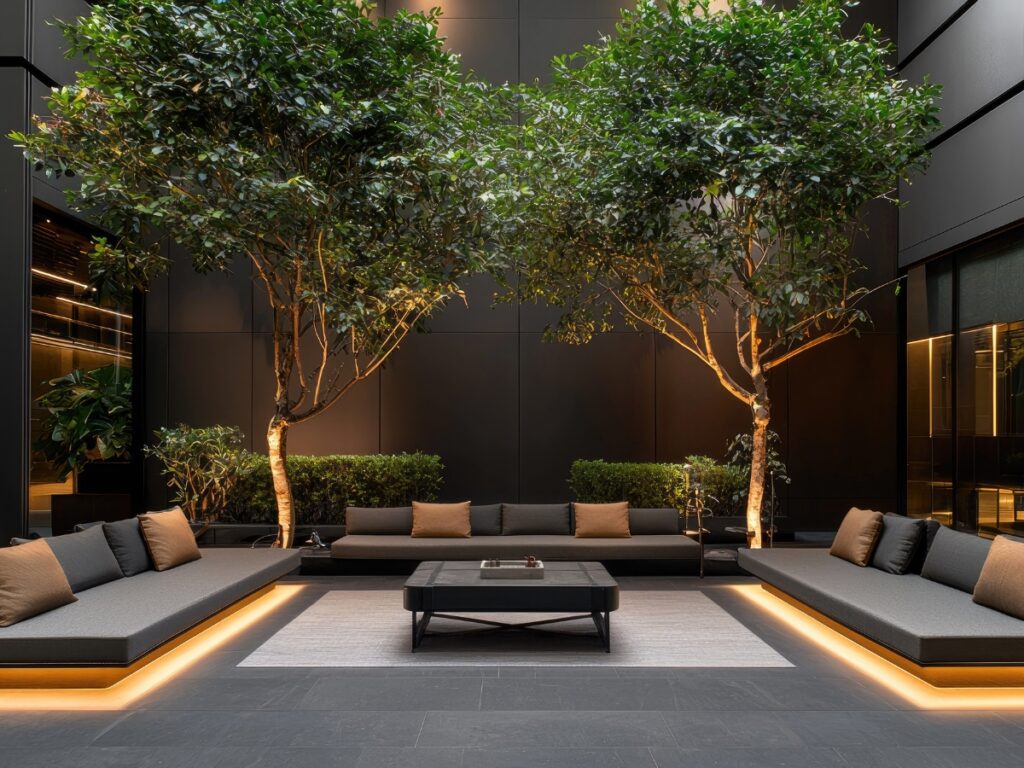
LED lighting has become the go-to choice for modern outdoor systems because it performs well without driving up energy use. One of the clearest landscaping lighting benefits of LEDs is efficiency. These fixtures produce strong, consistent light while using less electricity than older bulb types. For homeowners who keep exterior lights on most evenings, that difference can add up over time. You still get the visibility needed for safe walkways and entry points, but with lower operating costs.
Efficiency also makes it easier to light a property the right way. When lighting is affordable to run, homeowners can maintain a balanced system instead of cutting corners. That means pathways stay evenly lit, key features remain highlighted, and the yard feels usable after dark without relying on overly bright fixtures.
LEDs are also valued for their long lifespan. Many LED fixtures are designed to last for years under typical use, which reduces the need for frequent bulb changes. This is especially helpful in landscape lighting where fixtures may be installed in garden beds, under shrubs, or along paths where replacing bulbs can become a hassle. Fewer replacements also means less downtime, so your system looks consistent throughout the year. Long lifespan is another important landscaping lighting benefits factor because it reduces ongoing maintenance and helps keep the lighting plan intact.
Durability is a related advantage. Outdoor lighting must handle weather, moisture, and seasonal temperature swings. LED fixtures are often built to perform in these conditions, especially when paired with quality housings and proper installation. While no system is completely maintenance-free, LEDs generally hold up well and maintain steady output longer than traditional bulbs that fade, flicker, or fail more frequently.
Another strength of LED lighting is versatility. Outdoor lighting is not one-size-fits-all, and a good system needs different types of light for different areas. LEDs come in a wide range of fixture styles, from subtle path lights to focused spotlights for trees and architectural features. They also offer a variety of color temperatures, which allows homeowners to choose lighting that matches the look and feel of the home. Warmer tones tend to feel more inviting around patios and front entries, while slightly cooler tones can improve visibility in task-focused areas like steps and side yards. This flexibility makes it easier to create a cohesive design rather than mixing mismatched fixtures.
LEDs also work well with modern control options. Many systems can be paired with timers, photocells, or motion sensors, which helps reduce wasted energy and improves convenience. A simple schedule can ensure lights turn on when needed and shut off automatically, while motion lighting adds visibility on demand for side yards or driveways. These options support landscaping lighting benefits by improving both usability and efficiency without adding complexity for the homeowner.
Overall, LED lighting offers a strong mix of performance, cost control, and design flexibility. It supports safer outdoor movement, improves nighttime curb appeal, and keeps maintenance manageable over the long term. For homeowners looking to upgrade outdoor lighting, LEDs are often the most practical choice because the landscaping lighting benefits show up in day-to-day use, not just on installation day.
How Does Custom Design Ensure Long-Term Durability And Maintenance Benefits?
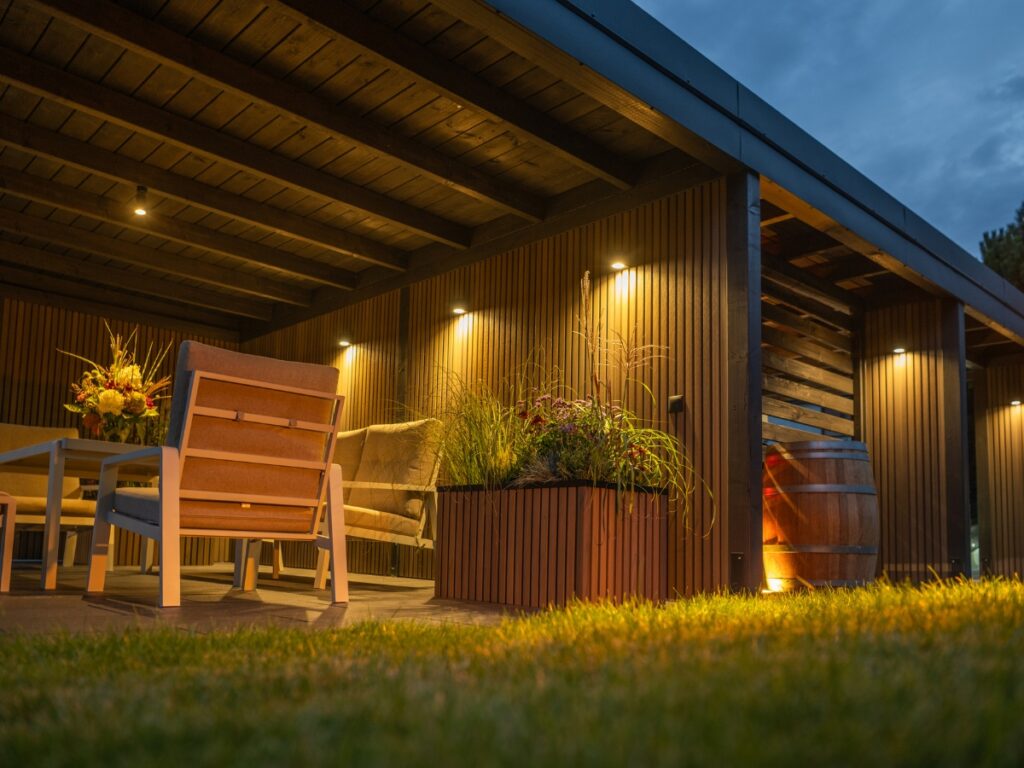
Custom design is what turns outdoor lighting from a quick upgrade into a system that holds up year after year. Instead of placing fixtures wherever there is an open spot, a good plan starts with how the property is used at night. That includes where people walk, where they gather, and which features actually deserve attention after dark. When lighting is designed around those real patterns, you end up with fewer problem areas, better coverage, and less wasted light. This is one of the most practical landscaping lighting benefits because it makes the whole system feel intentional rather than pieced together.
A custom design also helps prevent the uneven look that often happens with random fixture placement. Outdoor lighting should feel balanced, with enough light to guide movement and highlight features without flooding the yard. When the lighting is layered correctly, the property looks more polished and the experience feels more comfortable. That balance is hard to achieve without a plan, especially when the yard has slopes, garden beds, trees, and multiple entry points.
Durability is another reason custom design matters. Outdoor fixtures live in harsh conditions. They deal with rain, humidity, soil, heat, and debris, and they are often installed near sprinklers or in areas where water collects. A professional design accounts for these realities by selecting fixture types that match the environment and placing them where they are less likely to be damaged. For example, lights set too close to lawn edges may get hit by mowers or trimmers, while fixtures placed in low-lying areas may take on water and fail faster. Proper placement helps avoid those issues and protects your investment.
Wiring and connections also impact long-term performance. A well-designed system routes wiring in a way that is protected and logical, which reduces the chance of accidental cuts or loose connections over time. When the layout is organized, it is easier to isolate issues if something stops working. This is another key part of the landscaping lighting benefits that homeowners appreciate later, when small repairs and replacements come up.
Maintenance is simpler when the design is clean and consistent. If a light goes out, you can typically narrow down the cause faster when the system is structured properly. Fixtures are easier to access, wiring paths are more predictable, and troubleshooting does not turn into guesswork. In many cases, small maintenance tasks stay small because the system was built to handle real outdoor conditions from the start.
Over time, a custom-designed lighting system tends to look better and last longer because it was planned for the property, not forced onto it. That long-term reliability is one of the biggest landscaping lighting benefits, especially for homeowners who want outdoor lighting that stays consistent through every season and requires less attention to keep it working well.
The Big Picture Benefits Of Professional Outdoor Lighting
Energy efficient lighting is not just about saving electricity. It supports better performance, longer lifespan, and a more polished result overall. With LED lighting and a custom design approach, homeowners get lighting that enhances curb appeal, improves safety, and extends outdoor living spaces without unnecessary maintenance. These landscaping lighting benefits add up over time, making expert installation a smart choice for homeowners who want lasting results.
Conclusion
Professional landscape lighting does more than just beautify your property—it enhances safety, extends your living space, and adds significant value by showcasing your home’s best features after dark. From illuminated pathways to artistic uplighting, a well-designed system creates ambiance, deters intruders, and allows you to enjoy your outdoor oasis long after sunset. For a custom lighting design that blends artistry with functionality, trust the experts at Legacy Landscape Design. Ready to transform your nights? Call 770-427-2026 or fill out our contact form today for a consultation. Let’s illuminate the full potential of your landscape.