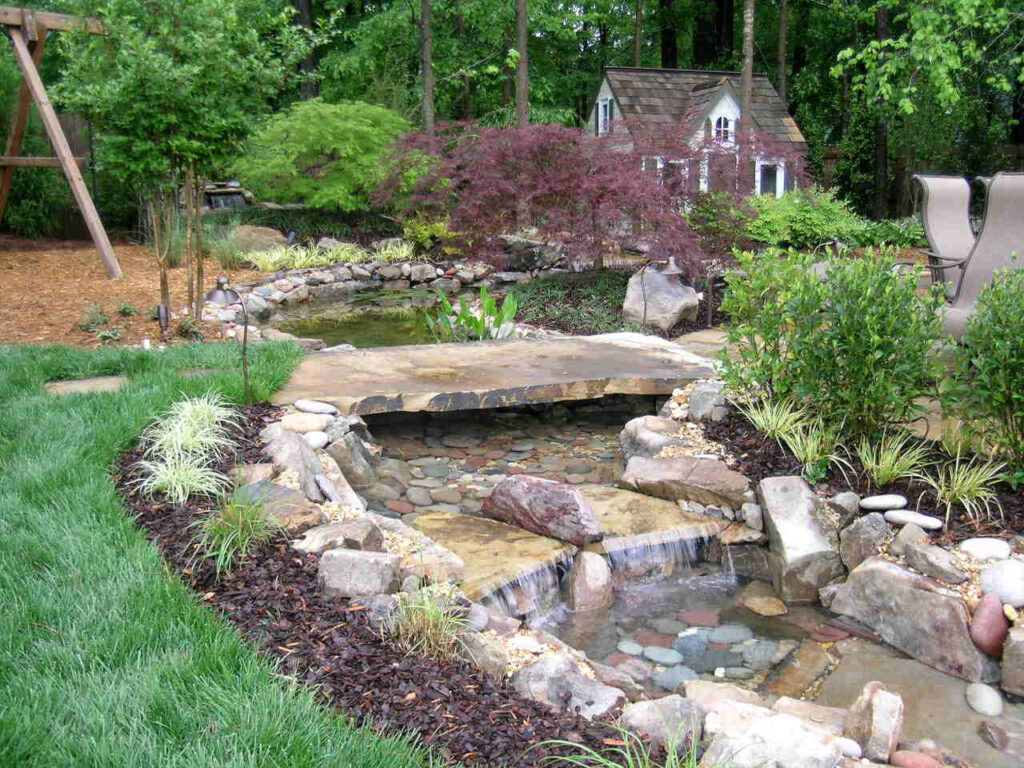
While winter still holds Metro Atlanta in its grip, savvy homeowners know that this quiet season is the perfect time to plan and prepare for a vibrant, productive spring garden. From ordering seeds and designing layouts to testing soil and starting cold-hardy plants indoors, strategic winter prep sets the stage for healthy growth and abundant blooms when warmer weather arrives.
In this guide, we’ll share essential tips for spring garden planning in winter months, helping you make the most of the off-season to cultivate a beautiful and thriving landscape.
Spring Garden Planning in Winter to Get Ahead of the Season
Key Winter Tasks to Set Your Garden Up for Spring
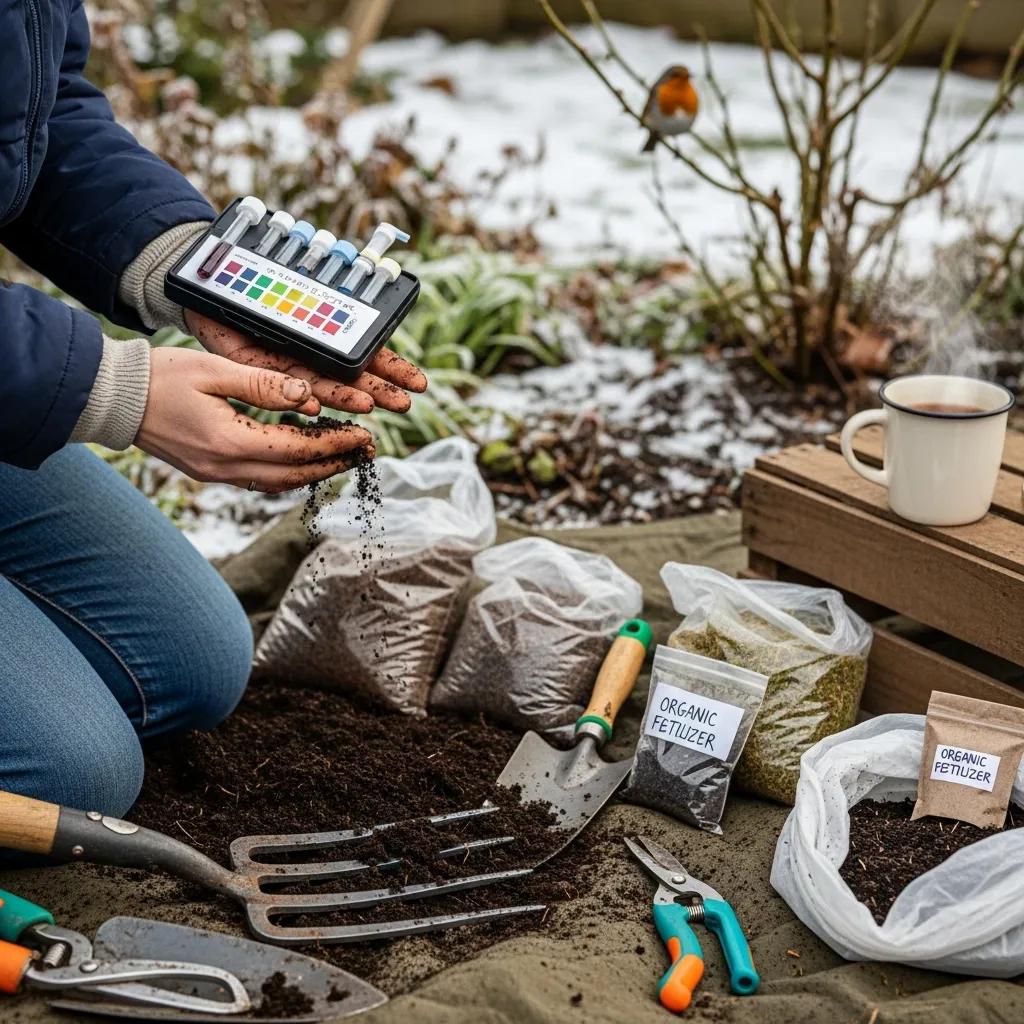
Spring garden planning in winter works best when you break it into a few practical steps. Think about winter as the time to assess your soil and site, tidy and prune dormant growth, and map out where plants and hardscape features will go. Because most plants are dormant, you can correct pH, improve drainage, and study how sun and shade move across your yard without worrying about damaging active growth. The payoff is a smoother spring, faster establishment, and plants that handle pests and heat better once warm weather arrives.
Begin with your soil. Testing and amending it before planting season gives you a head start. A basic soil test shows pH and nutrient levels, so you know whether you need lime, compost, or other amendments. Make those changes in late winter so freeze and thaw cycles help blend organic matter into the top layer. At the same time, walk your yard after a rain and look for soggy spots or standing water. Those areas often need grading or simple drainage fixes so beds will not be waterlogged in spring.
Winter is also the right time to think about structure. Dormant pruning on appropriate trees and shrubs lets you remove dead or crossing branches and shape the plant without stressing it. Cleaning and servicing tools now means pruners, shovels, and spreaders will be sharp and ready when soil conditions improve. Many homeowners in Metro Atlanta find that doing this work a little at a time through winter keeps spring garden planning in winter manageable instead of overwhelming.
Preparing Metro Atlanta Soil Over Winter
For Metro Atlanta yards, winter soil work starts with a test and ends with a protective cover. Send a soil sample to your county extension office to learn where your pH and nutrient levels stand. Clay soils that are common in the region often benefit from added organic matter and, in some cases, lime to bring pH into a better range for vegetables and ornamentals. Once you have your results, spread compost and well-rotted organic material across your beds in late winter. As the weather shifts, natural expansion and contraction of the soil help pull those materials into the profile and improve both structure and drainage.
After amendments are in place, add a mulch layer. A few inches of mulch stabilizes soil temperature, slows erosion, and reduces compaction from winter rains. It also protects beneficial organisms that will support strong root systems in spring. While you are working, note any low spots or channels that direct water toward the house or into future beds. Simple grading changes made before planting will pay off in healthier roots and fewer disease problems.
When And How To Start Seeds Indoors For Spring Success
Indoor seed starting is another key part of spring garden planning in winter. By starting seeds inside, you control timing and conditions for crops and flowers that need a longer growing season. In Metro Atlanta, many gardeners sow seeds about six to eight weeks before they plan to transplant. Slow growers such as tomatoes and peppers often need the earliest start, while faster crops can be sown closer to planting dates.
Use a sterile seed starting mix in shallow trays so roots develop easily. Provide bright, even light, either from a sunny window or from grow lights placed close to the seedlings, and keep temperatures steady so young plants do not become leggy. Label each tray with the variety and sowing date so you can track what is performing well.
Before seedlings move outside, give them a hardening-off period that lasts about one to two weeks. Each day, place them outdoors for a little longer, gradually exposing them to wind, sun, and cooler temperatures. This step reduces transplant shock and helps young plants adjust to real garden conditions. When you combine healthy, hardened seedlings with soil that has been tested and amended over winter, you set up your garden for a stronger start and a more productive spring.
How Winter Pruning Boosts Spring Health and Blooms
Winter is one of the best times to think about spring garden planning in winter, and pruning sits near the top of that list. Dormant pruning, which means cutting back dead, damaged, or crowded branches while plants are inactive, clears out disease pockets, improves structure, and directs energy into healthy buds. When you remove weak or infected wood, the plant can use its stored reserves on strong tissue instead, which leads to better air circulation, stronger growth, and cleaner blooms once temperatures rise.
Because leaves are off many deciduous plants, it is easier to see crossing branches, congested areas, and storm damage. Correcting those issues now sets the framework for the way a shrub or tree will look for years. It also lets more light reach understory plants and new plantings you may add later as part of your broader spring garden planning in winter. The key is knowing which plants tolerate winter pruning and which are better left until after they bloom, so you do not accidentally cut off next season’s flowers.
Which Plants To Prune In Metro Atlanta This Winter
In Metro Atlanta, many deciduous trees and summer-flowering shrubs respond well to thoughtful winter pruning. Trees such as maples and oaks can be pruned for structure, removing branches that rub, grow inward, or create weak crotches. Summer bloomers that flower on new wood, like crape myrtle or butterfly bush, can be thinned and shaped during dormancy so they put on a stronger show later in the season. Because wounds start to seal before sap flow ramps up, pruning at this time generally limits disease spread and encourages vigorous new shoots.
Spring-flowering shrubs are a different story. Azaleas, forsythia, and many other early bloomers set their buds on last season’s growth, so heavy cuts in winter can wipe out the coming show. These plants are usually pruned right after they finish blooming, which preserves flower display and still allows time for new growth to form. When you work with native plants, it is wise to prune lightly so you maintain habitat value and keep berries, seed heads, and shelter available for birds and beneficial insects through winter.
If you are unsure about taller trees or complex canopy work, it is safer to leave anything near power lines or rooftops to a qualified arborist.
Best Winter Pruning Techniques And The Right Tools
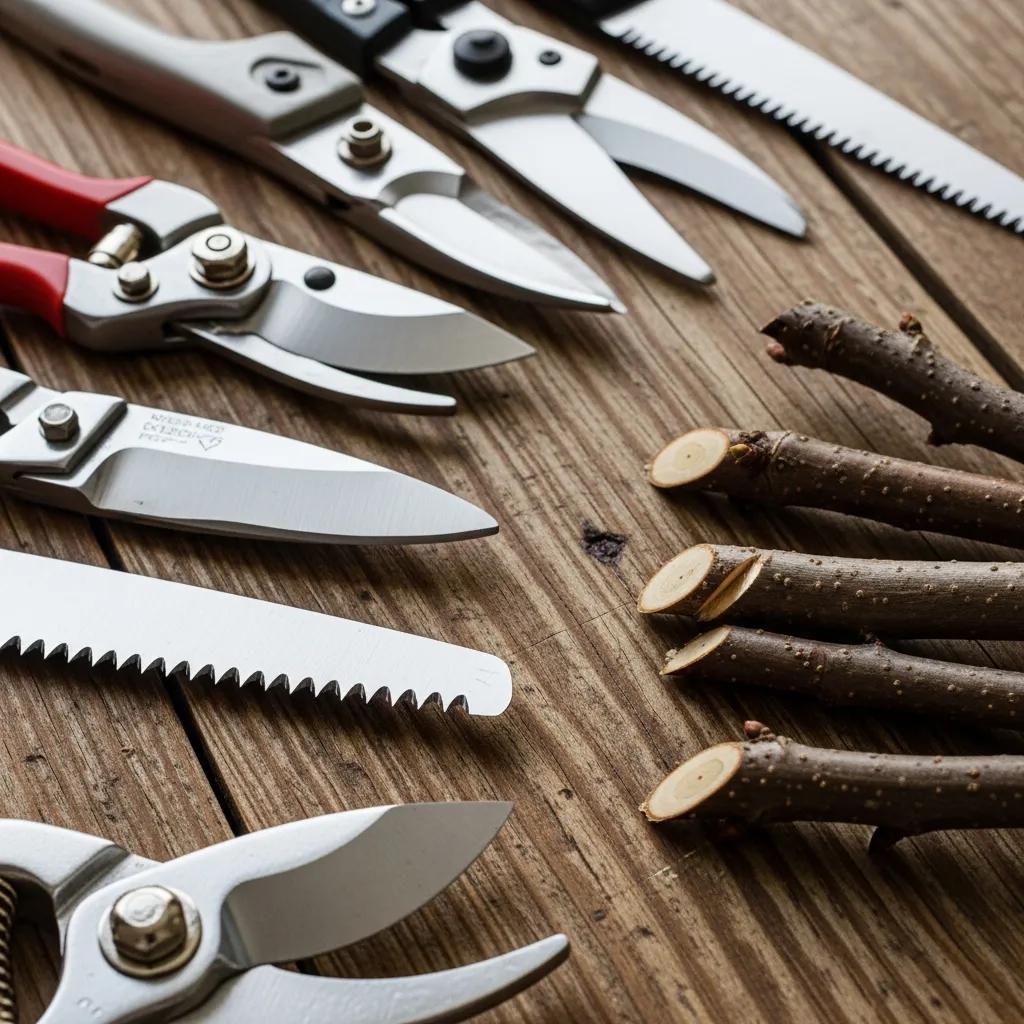
Good winter pruning relies on a few core techniques used in the right place. Thinning cuts remove entire branches back to their point of origin, which opens the canopy, improves airflow, and lets more light reach interior growth. Heading cuts shorten a branch just above an outward-facing bud to control size and encourage lateral shoots that fill in gaps. Rejuvenation pruning is reserved for overgrown or tired shrubs, where you remove a portion of the oldest stems down near the base over several seasons so the plant can rebuild with younger wood.
Sharp, well-maintained tools make all of this cleaner and safer. Bypass hand pruners are best for small stems, loppers handle medium branches, and a pruning saw is appropriate for larger limbs. Blades should be sharpened regularly and wiped with a disinfectant when you move between plants, especially if you suspect disease. Aim for smooth cuts just above a bud or branch collar, and avoid leaving stubs that invite decay. Use ladders carefully, keep three points of contact where possible, and do not attempt high or hazardous cuts alone.
By combining clear goals, basic technique, and the right timing, winter pruning becomes a straightforward part of preparing your landscape for spring, rather than a chore you rush through once new growth has already started.
Designing And Visualizing Your Spring Garden During Winter

Winter is one of the most useful times for spring garden planning in winter because you can see the structure of your yard without foliage in the way. With leaves down and beds mostly bare, it is easier to map sun and shade, notice low spots that hold water, and picture how large shrubs or trees will look once they reach maturity. Planning now gives you time to choose the right mix of pollinator pockets, edible beds, and low-maintenance native areas, instead of rushing those decisions on the first warm weekend. It also lets you line up soil amendments, irrigation, and hardscape changes, so installation in spring goes faster and with fewer surprises.
A simple sketch or grid on paper is often enough to start. Walk the yard, take measurements, and mark fixed elements like doors, paths, and utilities. Then layer in ideas for beds, seating, or raised planters. Even a rough plan helps you see where full sun, part shade, and deep shade fall, which is at the core of effective spring garden planning in winter. From there, you can decide which spaces are best for vegetables, which should stay ornamental, and where you might want screening or seasonal color.
Why Use 3D Garden Design Tools During Winter Planning
Digital tools and 3D garden design software can take that rough sketch a step further. They allow you to preview plant size at maturity, check sightlines from windows and patios, and see how paths and patios will feel to walk through before you ever dig. A rendering that simulates light at different times of day makes it clearer where tall shrubs might cast too much shade on a vegetable bed or where a small tree could frame, rather than block, a view. This kind of visualization is especially helpful when you are trying to balance function with aesthetics in a smaller yard.
Another advantage of 3D planning is better budgeting. When you can see how many shrubs, perennials, or pavers a design requires, it becomes easier to phase the work across more than one season. You might install the main paths and a few anchor plants in spring, then fill in groundcovers and seasonal color later in the year. Winter is an ideal time to work through these decisions, adjust quantities, and refine the layout while the site is quiet and you are not racing the heat.
Planning Plant Placement And Companion Pairings For Spring
Once you understand your site and have a basic layout, turn to plant placement and companion choices. Start with light and water needs. Place full sun perennials and most edible crops in the brightest, best drained spots, such as south facing beds or areas that stay dry after rain. Reserve shadier or more consistently moist locations for ferns, shade shrubs, and woodland-style perennials. Thinking in terms of microclimates keeps plants healthier and simplifies ongoing care.
Within each bed, arrange plants in layers. Taller trees and shrubs usually belong toward the back of a border or in the center of an island bed, with mid height perennials in front and groundcovers or low edging plants nearest the path. This approach gives you structure, helps suppress weeds, and keeps soil shaded in summer. Companion planting can support both beauty and ecology. Pair nectar rich flowers with host plants for butterflies, or herbs with vegetables to attract beneficial insects and reduce pest pressure.
As you refine the plan, picture how the garden will look in different seasons. Aim for a mix of early, mid, and late bloomers along with evergreens and plants with interesting bark or seed heads for winter interest. All of this thoughtful plant placement, done as part of your spring garden planning in winter, pays off once the weather warms. Beds are ready, plants have the conditions they need, and you can move into spring with a clear, workable roadmap instead of reacting on the fly.
Essential Winter Maintenance For A Thriving Spring
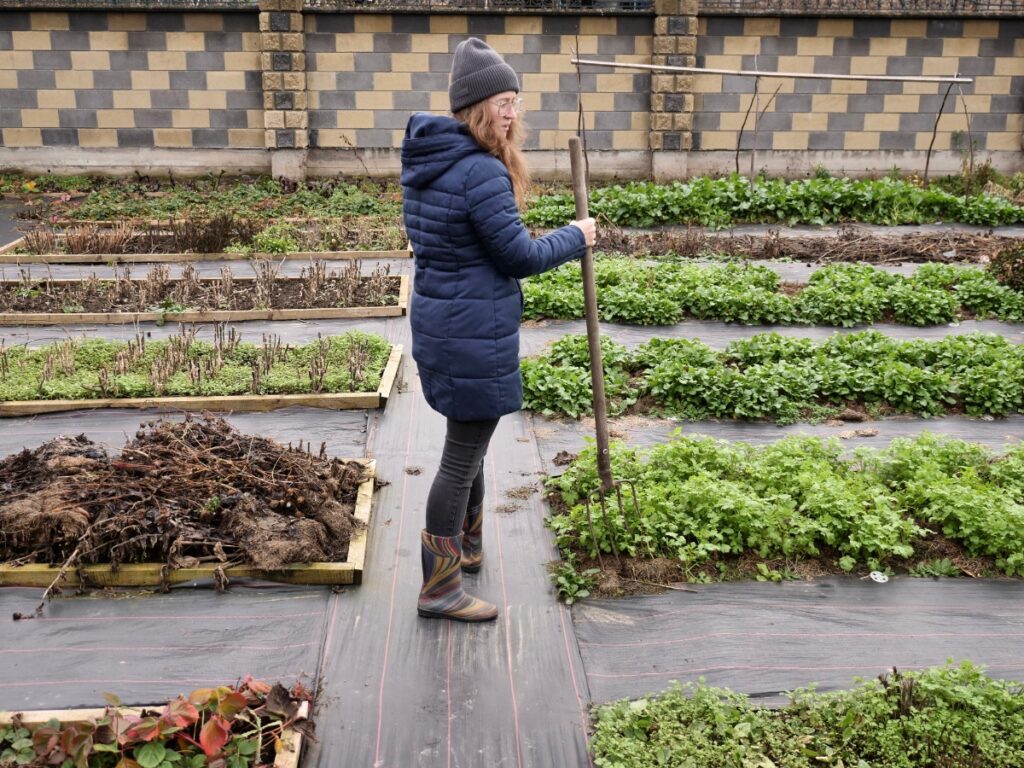
Winter is the season that quietly sets the stage for everything your garden will do in the months ahead. While it may look like nothing is happening, this is the perfect time to clear out old growth, tidy beds, tune up tools, and put small protections in place so spring planting feels organized instead of rushed. When you approach spring garden planning in winter with a simple maintenance routine, you protect the plants you already have and give new ones a better start.
Begin with the basics in your beds. Remove fallen leaves and diseased plant material from around perennials and shrubs so pests and fungal problems have fewer places to overwinter. You can still keep some healthy leaves in quieter corners of the yard to support beneficial insects, but be intentional about where debris stays and where it goes. In planting areas, add compost where needed and lightly fork it into the top layer of soil so freeze and thaw cycles help break it in. This kind of winter groundwork means your beds will be ready when you are, instead of forcing you to do heavy cleanup right when planting season begins.
Winter is also a good moment to step back and notice what worked and what did not last year. Make a quick list of plants that struggled, areas that stayed too wet or dry, and tools you relied on most. Folding those observations into your spring garden planning in winter keeps you from repeating the same problems and helps you focus on fixes that will actually matter once the weather warms.
Tool Cleanup And Maintenance For Winter
Cold months are ideal for getting your tools back into shape. Start by washing off dried soil and plant residue from shovels, trowels, and pruners. Sticky sap and fine grit dull cutting edges over time, so take a little extra care with anything that cuts or slices. After cleaning, disinfect pruning tools with a mild bleach solution or rubbing alcohol, especially if you used them on diseased branches during the season. That small step lowers the chance of spreading problems to freshly pruned plants in spring.
Once everything is clean, move on to sharpening. Use a file or sharpening stone to restore a clean edge on pruners, loppers, and hoes. A sharp blade makes safer, cleaner cuts and puts less stress on both your hands and your plants. Lightly oil metal surfaces and pivot points to prevent rust, then check wooden handles for cracks or loose hardware. Replace or repair anything that feels weak now, while you have time to order parts or shop for replacements. Finally, store tools in a dry, ventilated spot and keep them off bare concrete if possible so moisture does not collect at contact points.
Protecting Plants From Frost And Cold In Metro Atlanta
In Metro Atlanta, winter can swing from mild afternoons to sudden overnight freezes, so gentle, flexible protection tends to work best. After you finish soil amendments, spread a layer of organic mulch around shrubs and perennials. Aim for roughly two to four inches, keeping mulch a little away from the base of stems to prevent rot. This helps insulate root zones, reduces erosion, and evens out temperature swings.
For young or cold-sensitive plants, keep a few pieces of frost cloth or old sheets on hand so you can cover them on nights when temperatures dip. Support the fabric with simple stakes or frames so it does not press heavily on foliage, and remove or vent covers during the day once it warms up. Cold frames, cloches, or even large nursery pots turned over small seedlings can buy extra protection for early crops you start later in the season.
Pay attention to microclimates as you plan. Beds near south-facing walls, fences, or patios often stay slightly warmer and can be good spots for borderline hardy plants, while low-lying or exposed areas may need more mulch and less ambitious planting. With a bit of winter maintenance and protection, your garden moves into spring with healthier soil, sharper tools, and plants that are ready to respond as soon as the temperatures rise.
Frequently Asked Questions
What types of plants work best for a spring garden in Metro Atlanta?
Choose a mix of perennials, annuals, and edibles suited to our climate. Popular ornamentals include azaleas, daylilies, and coneflowers; tomatoes, peppers, and squash do well in vegetable plots. Prioritize varieties adapted to local microclimates and add native plants to boost biodiversity and support pollinators.
How can I reduce pest problems before spring?
Start with healthy soil and vigorous plants—strong plants resist pests better. Use companion planting (for example, marigolds to deter some pests), remove debris and weeds, and scout regularly for early signs of problems. When needed, use targeted, organic controls like neem oil or insecticidal soap.
Why use organic amendments during winter soil prep?
Organic amendments improve soil structure, nutrient availability, and microbial life. Compost and well-rotted material help retain moisture, support roots, and improve drainage—giving plants a healthier start in spring.
How do I manage drainage effectively?
Assess topography and mark low spots where water pools. Consider French drains or swales to move excess water away from beds, and amend soil with organic matter to improve infiltration. Check your yard after heavy rains and adjust as needed to protect plant roots.
What tools are essential for winter garden care?
Key tools include pruning shears, loppers, a shovel, a rake, and a trowel. Pruners and loppers handle cuts, while shovel and rake help with soil work and cleanup. A garden fork is useful for turning soil. Keep tools clean and sharp so they’re ready for spring.
How do I make a pollinator-friendly garden for spring?
Select a diverse palette of flowering plants that bloom across the season, favor native species, and avoid pesticides. Add water features and sheltering areas, and plant in clusters rather than scattered singles to better attract pollinators.
Conclusion
Winter is the perfect time to lay the groundwork for a vibrant, thriving spring garden in Metro Atlanta. By planning your layout, preparing your soil, and selecting the right native plants now, you ensure a seamless and successful transition into the growing season. At Legacy Landscape Design, we help homeowners transform their outdoor visions into reality with expert planning, sustainable practices, and professional installation. Ready to get a head start on your dream garden? Call 770-427-2026 or fill out our contact form today to schedule a consultation. Let’s build a beautiful foundation this winter for a spectacular spring.