In a world filled with constant noise and distractions, having a place to slow down and recharge can make a meaningful difference.
A Zen garden is designed to do exactly that, creating a peaceful outdoor environment that encourages reflection, balance, and simplicity. More than just a landscaping style, it’s an intentional approach to shaping a space that feels calm and restorative.
Creating a serene Zen garden involves carefully selecting elements such as stone, gravel, plants, water features, and open space to establish a sense of harmony. Every feature serves a purpose, helping reduce visual clutter while enhancing the overall atmosphere.
With thoughtful design and practical planning, you can transform an ordinary outdoor area into a tranquil retreat that supports relaxation and everyday well-being.
Zen Garden Design Tips for Balance and Simplicity
What Are The Core Principles Of Zen Garden Design?

A Zen garden is built around the idea that simplicity can create a deeper connection with nature and encourage a sense of calm.
Rather than filling a space with numerous plants, decorations, or complex features, zen garden design focuses on a small number of carefully chosen elements that work together in a balanced and intentional way.
At its core, a Zen garden is meant to provide an environment for quiet reflection. Every rock, pathway, and open space serves a purpose, creating a landscape that feels peaceful without being overly designed.
This minimalist approach helps reduce visual clutter and allows visitors to focus on the natural beauty of the space.
The principles behind traditional Zen aesthetics also emphasize simplicity, naturalness, asymmetry, and tranquility. These concepts are not only important in garden design but are often associated with mindfulness and overall well-being.
When incorporated thoughtfully, they help create an outdoor space that feels both grounded and restorative.
Simplicity As The Foundation Of Design
One of the defining characteristics of a Zen garden is its commitment to simplicity. Rather than trying to showcase a large collection of plants or decorative features, the design focuses on restraint and purpose.
Open areas are just as important as the elements that occupy them. Empty space creates balance, highlights key features, and prevents the garden from feeling crowded. This intentional use of space encourages a slower, more thoughtful experience for those spending time in the garden.
Simplicity also makes maintenance more manageable. With fewer elements competing for attention, homeowners can focus on preserving the beauty and condition of each component, helping the garden maintain its calming appearance over time.
Balance Through Natural Elements
Balance is another essential principle of Zen garden design. Unlike highly symmetrical landscapes, zen gardens often embrace a more natural arrangement that reflects patterns found in nature.
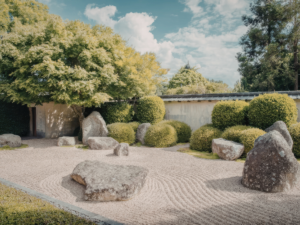
Rocks are frequently used as focal points and can symbolize mountains, islands, or enduring strength. Gravel or sand often represents water, with raked patterns creating the appearance of flowing rivers or gentle waves.
These symbolic elements add meaning to the garden while maintaining a clean and uncluttered look. The goal is not perfect symmetry but visual harmony.
Carefully positioning stones, plants, and pathways creates a sense of equilibrium that feels natural rather than forced. This balance helps make the space feel inviting and peaceful.
Creating A Sense Of Harmony
A successful zen garden brings together its various elements in a way that feels cohesive and calming. Materials are typically selected for their natural textures, colors, and ability to blend seamlessly with the surrounding environment.
Subtle plantings, moss, ornamental grasses, or small shrubs may be included to add texture and seasonal interest without overwhelming the design. Water features can also be incorporated to introduce gentle movement and soothing sounds that enhance the garden’s atmosphere.
Harmony extends beyond the physical layout. A zen garden is often designed to encourage contemplation, helping visitors disconnect from distractions and focus on the present moment.
This connection between landscape and experience is one of the reasons these gardens remain popular in both residential and commercial settings.
Encouraging Reflection And Mindfulness
More than just an attractive outdoor feature, a zen garden is designed to support relaxation and reflection. The simple arrangement of natural materials encourages people to slow down, observe their surroundings, and engage with the space more intentionally.
Whether it’s the repetitive act of raking gravel, the sound of water moving through a feature, or the quiet presence of carefully placed stones, each element contributes to a calming environment.
These qualities make a Zen garden an appealing choice for homeowners seeking a peaceful retreat within their own property.
By embracing simplicity, balance, and harmony with nature, a zen garden offers more than visual appeal. It creates a space where beauty and mindfulness work together, transforming an ordinary outdoor area into a place of rest, reflection, and everyday tranquility.
How Do Japanese Garden Elements Enhance Serenity?
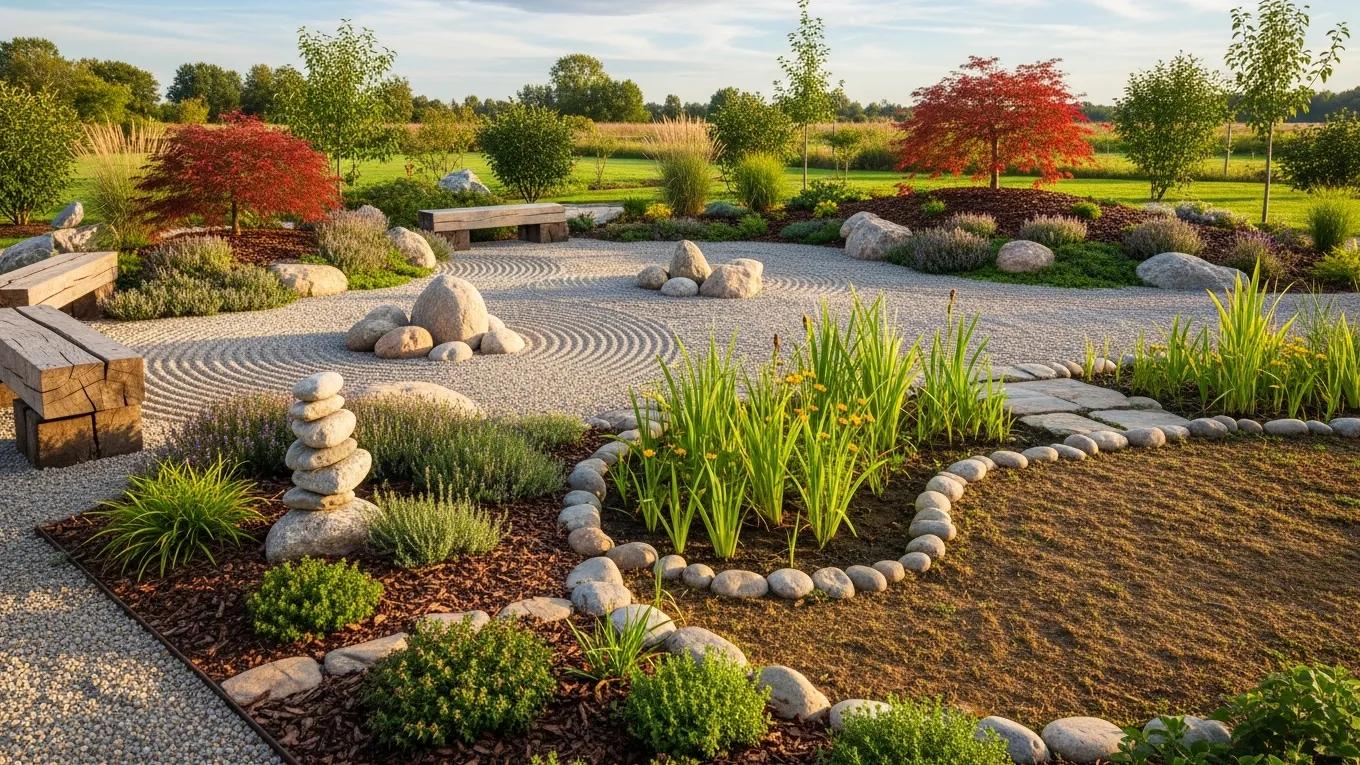
The calming atmosphere of a Zen garden is largely shaped by the traditional elements found in Japanese garden design. These features are carefully selected and arranged to create a sense of balance, quietness, and connection with the natural world.
Rather than relying on elaborate decorations, Japanese gardens use simple materials and thoughtful placement to encourage reflection and relaxation.
Every component serves a purpose. Whether it is a carefully positioned stone, a tranquil water feature, or a cluster of plants, each element contributes to an environment that feels peaceful and intentional.
Together, these features help transform an outdoor space into a setting that promotes mindfulness and calm.
The Role Of Water In Creating A Peaceful Environment
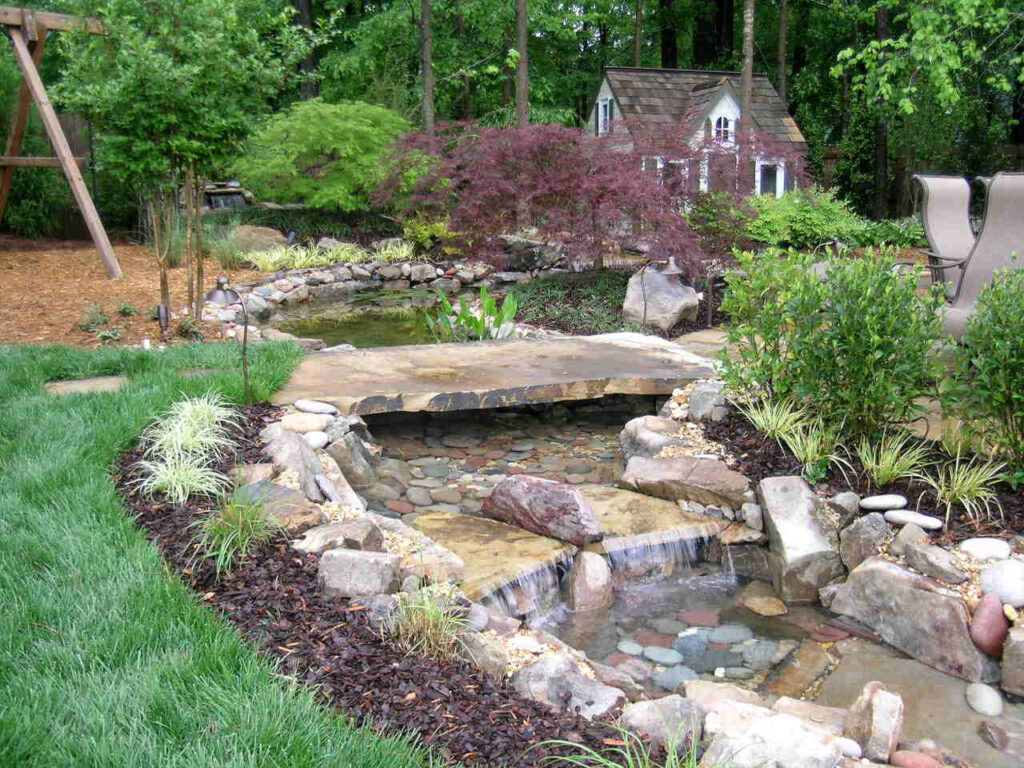
Water is one of the most recognizable features in many Japanese-inspired landscapes. Ponds, streams, waterfalls, and fountains introduce movement and sound, creating a soothing atmosphere that can help reduce stress and distractions.
The gentle sound of flowing water provides a natural backdrop that encourages relaxation and contemplation. In larger gardens, water features can also create visual interest by reflecting surrounding plants and structures.
Even in smaller spaces, a simple fountain can capture some of the same calming qualities. In a traditional Zen garden, where actual water may not always be present, carefully raked gravel or sand is often used to symbolize rivers, lakes, or ocean waves.
This symbolic approach maintains the connection to nature while preserving the garden’s minimalist character.
How Rocks And Stones Create Structure
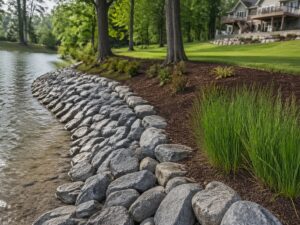
Rocks are among the most important design elements in a Zen garden. They provide a sense of permanence and stability while serving as focal points throughout the landscape. In Japanese garden traditions, stones often symbolize mountains, islands, or other natural landforms.
The placement of rocks is rarely random. Designers carefully consider size, shape, texture, and positioning to create balance within the space. A single large stone can anchor an entire garden, while smaller groupings help guide the eye through the landscape.
These stone arrangements contribute to the feeling of serenity by introducing structure without overwhelming the simplicity of the design. Their presence creates visual interest while maintaining the calm, uncluttered appearance that defines a Zen garden.
The Importance Of Symbolism In Design
One of the unique qualities of Japanese garden design is its use of symbolism. Rather than recreating nature exactly as it appears, designers often represent larger landscapes through carefully selected elements.
A cluster of stones may suggest a mountain range, while raked gravel can represent flowing water. A winding pathway may symbolize a journey, encouraging visitors to slow down and experience the garden more intentionally.
This symbolic approach invites personal interpretation and reflection. Instead of directing attention toward a single focal point, the garden encourages visitors to engage with the space and discover meaning through observation.
Plants That Support A Sense Of Calm
Although a Zen garden is typically more restrained than other landscape styles, plants still play an important role. Moss, ornamental grasses, evergreen shrubs, and carefully pruned trees introduce texture and seasonal variation without creating visual clutter.
Plant placement is often guided by the same principles of balance and simplicity that influence the rest of the design. Rather than filling every available space, vegetation is used selectively to complement stones, pathways, and open areas.
Research into traditional temple gardens highlights how the thoughtful arrangement of plants contributes to the overall Zen aesthetic. When combined with other natural elements, these plantings help create a landscape that feels harmonious and grounded.
Bringing The Elements Together
The serenity of a Zen garden does not come from any single feature. Instead, it emerges from the way water, stones, plants, and open space work together to create a unified environment. Each element supports the others, contributing to a landscape that feels balanced and calming.
By incorporating traditional Japanese garden principles, homeowners can create outdoor spaces that offer more than visual appeal. A well-designed Zen garden provides a place to slow down, connect with nature, and enjoy moments of quiet reflection amid the demands of daily life.
Which Sustainable Landscaping Practices Support Zen Gardens?
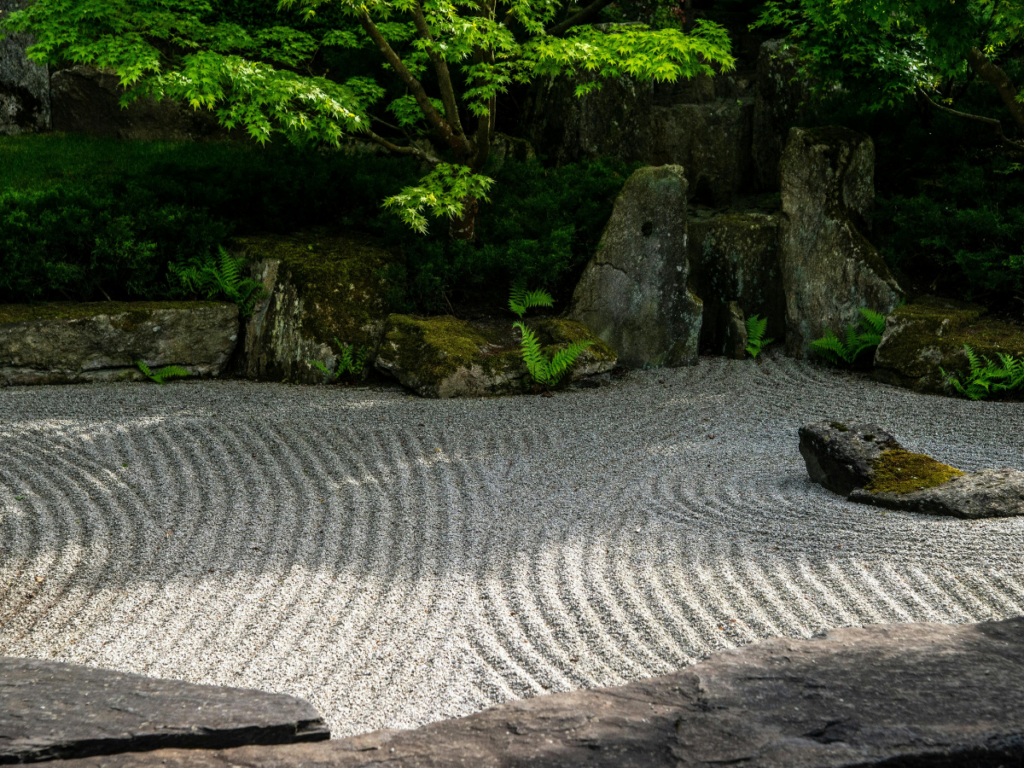
A Zen garden is designed to create a sense of harmony with nature, making sustainability a natural fit for its overall philosophy.
By incorporating environmentally responsible landscaping practices, homeowners can create a peaceful outdoor retreat that is both visually appealing and easier to maintain over time. Sustainable design choices help reduce resource consumption while supporting the long-term health of the landscape.
One of the most effective approaches is selecting plants that are well-suited to the local climate. Native and regionally adapted plants generally require less water, fertilizer, and maintenance than non-native species.
They are also more resilient to local weather conditions, helping the garden remain healthy throughout the year. In a Zen garden, these plants can provide subtle texture and seasonal interest without overwhelming the minimalist design.
Using Natural Materials For A More Sustainable Design
Material selection plays a significant role in sustainable landscaping. Many Zen garden designs incorporate natural stone, gravel, wood, and other durable materials that blend seamlessly with the environment.
Choosing locally sourced materials can reduce transportation impacts while helping the garden feel more connected to its surroundings.
Organic mulches and soil amendments can also improve soil quality naturally. These materials help retain moisture, regulate soil temperature, and support beneficial microorganisms.
Healthy soil creates a stronger foundation for plant growth and reduces the need for synthetic fertilizers or chemical treatments. By prioritizing natural materials, a Zen garden can maintain its simple aesthetic while supporting environmentally responsible landscaping practices.
Water Conservation Strategies For Zen Gardens
Water efficiency is another important consideration when designing a sustainable Zen garden. Traditional Zen gardens often rely more on symbolic representations of water, such as raked gravel or sand, than on large water features.
This approach naturally reduces water usage while preserving the calming visual elements associated with the design style.
When living plants are included, efficient irrigation methods can help minimize waste. Drip irrigation systems deliver water directly to plant roots, reducing evaporation and runoff. Grouping plants with similar water needs can further improve efficiency and simplify maintenance.
Rainwater collection systems can also support sustainable watering practices. Capturing and reusing rainfall provides an environmentally friendly source of irrigation while reducing dependence on municipal water supplies.
Supporting Biodiversity While Maintaining Simplicity
Although a Zen garden is intentionally minimalist, it can still contribute to a healthy local ecosystem. Native plants often attract pollinators such as butterflies and bees while providing habitat for beneficial insects and wildlife.
Thoughtful plant selection allows homeowners to support biodiversity without compromising the garden’s clean and uncluttered appearance.
The key is maintaining balance. A sustainable Zen garden does not need a large variety of plants to be environmentally beneficial. Instead, a carefully chosen collection of species can provide ecological value while preserving the sense of calm and order that defines the space.
Creating A Long-Lasting, Low-Maintenance Landscape
One of the greatest advantages of combining sustainability with Zen garden design is the potential for reduced maintenance. Native plants, efficient irrigation systems, and durable natural materials often require less ongoing care than traditional landscaping approaches.
A well-planned Zen garden can remain attractive for years with minimal intervention. Regular upkeep may involve occasional pruning, refreshing gravel patterns, and monitoring plant health, but the overall maintenance demands are often lower than those of more elaborate landscape designs.
By incorporating sustainable landscaping practices, homeowners can create a Zen garden that reflects both environmental responsibility and timeless design principles.
The result is a peaceful outdoor space that conserves resources, supports the surrounding ecosystem, and provides a lasting place for relaxation and reflection.
Which Plants Are Ideal For Meditation And Zen Gardens?
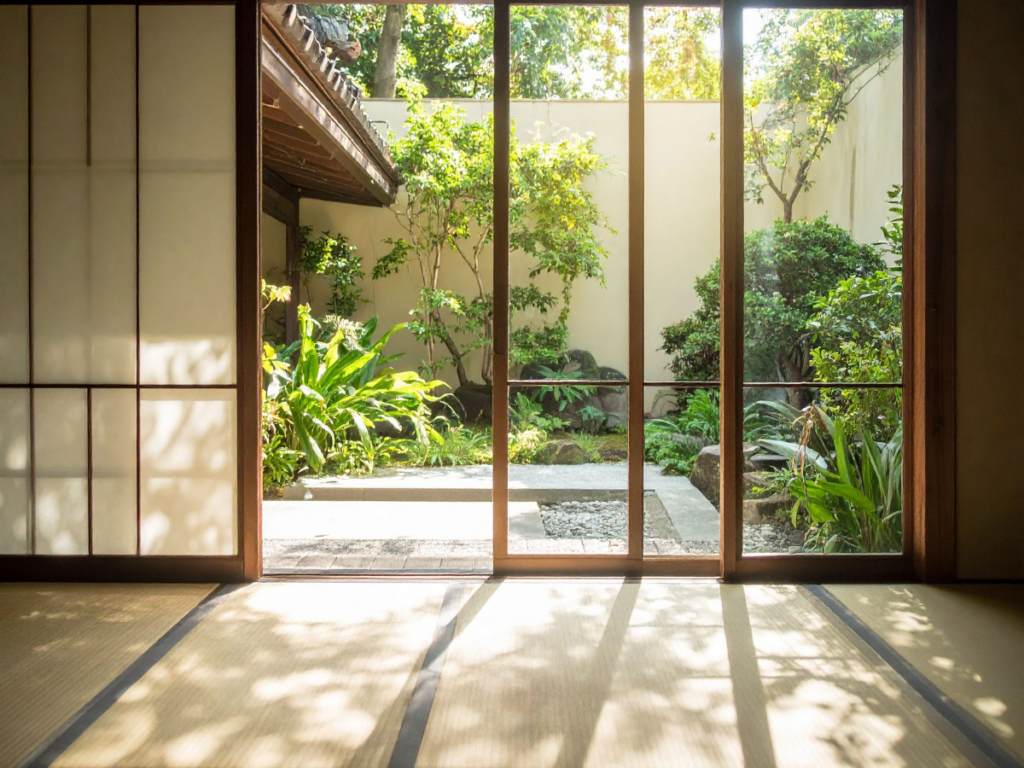
Plant selection plays a major role in shaping the atmosphere of a Zen garden. While rocks, gravel, and pathways provide structure, plants introduce texture, color, and a living connection to nature.
The goal is not to fill the space with a large variety of species but to choose plants that contribute to a sense of calm and complement the garden’s minimalist design.
A well-designed Zen garden typically features plants that are visually soothing, relatively low-maintenance, and capable of creating year-round interest.
By selecting the right combination of trees, ground covers, and accent plants, homeowners can create an environment that supports relaxation, mindfulness, and quiet reflection.
What Are The Characteristics Of Key Zen Garden Plants?
The best plants for a Zen garden tend to share several important qualities. They often have clean forms, subtle colors, and a natural elegance that enhances the overall landscape without dominating it. These plants are chosen as much for their shape and texture as for their seasonal appearance.
Bamboo is one of the most recognizable choices in Zen-inspired landscapes. Its upright growth habit, gentle movement in the wind, and evergreen appearance contribute to a peaceful setting. Certain varieties can also create natural privacy screens while maintaining a light and airy feel.
Japanese maple trees are another popular option. Their graceful branching structure and changing foliage provide visual interest throughout the year. In spring and summer, their leaves add texture and color, while autumn brings vibrant seasonal displays that enhance the garden’s beauty.
Moss is frequently used in traditional Japanese gardens because of its soft appearance and calming effect. It creates a natural carpet that blends seamlessly with stones and pathways, helping the garden feel established and connected to its environment.
Creating Balance Through Plant Selection
A Zen garden relies on balance rather than abundance. Instead of using a large number of plant varieties, designers often focus on a carefully curated selection that works together harmoniously.
Evergreen shrubs and ornamental grasses can provide structure and texture throughout the year. Their consistent appearance helps maintain the garden’s visual stability, even as seasons change.
Smaller accent plants can be incorporated strategically to draw attention to specific areas without disrupting the overall simplicity of the design.
The placement of plants is just as important as the species themselves. Trees may be positioned to frame a view, while low-growing plants can soften the edges of pathways or stone features. Every planting decision should contribute to the garden’s sense of flow and tranquility.
How To Select Plants For Year-Round Tranquility
Creating a Zen garden that remains attractive throughout the year requires thoughtful planning. Seasonal changes can significantly affect a landscape’s appearance, so it’s important to choose plants that offer visual interest across multiple seasons.
Combining evergreen plants with deciduous trees is a practical way to achieve year-round balance. Evergreens provide structure during the winter months, while deciduous varieties introduce seasonal color and variation.
This combination prevents the garden from feeling static while maintaining its calming atmosphere. Flowering plants can also be incorporated in moderation.
Rather than creating bold displays, subtle blooms can provide occasional bursts of color that complement the surrounding landscape. The key is selecting varieties that enhance the garden’s peaceful character rather than becoming the primary focus.
Maintenance requirements should also influence plant selection. Low-maintenance species help preserve the simplicity of the garden while reducing the amount of ongoing care needed to keep the space looking its best.
Building A Garden That Supports Reflection
The most successful Zen garden plantings are those that encourage people to slow down and engage with their surroundings. The gentle movement of bamboo, the seasonal beauty of a Japanese maple, or the soft texture of moss can all contribute to a more immersive and calming experience.
By carefully selecting plants that offer beauty, balance, and simplicity, homeowners can create a Zen garden that remains peaceful throughout the year. The result is a landscape that supports meditation, relaxation, and a deeper appreciation for the natural world.
How Can Water Features And Rock Gardens Be Incorporated For Calmness?
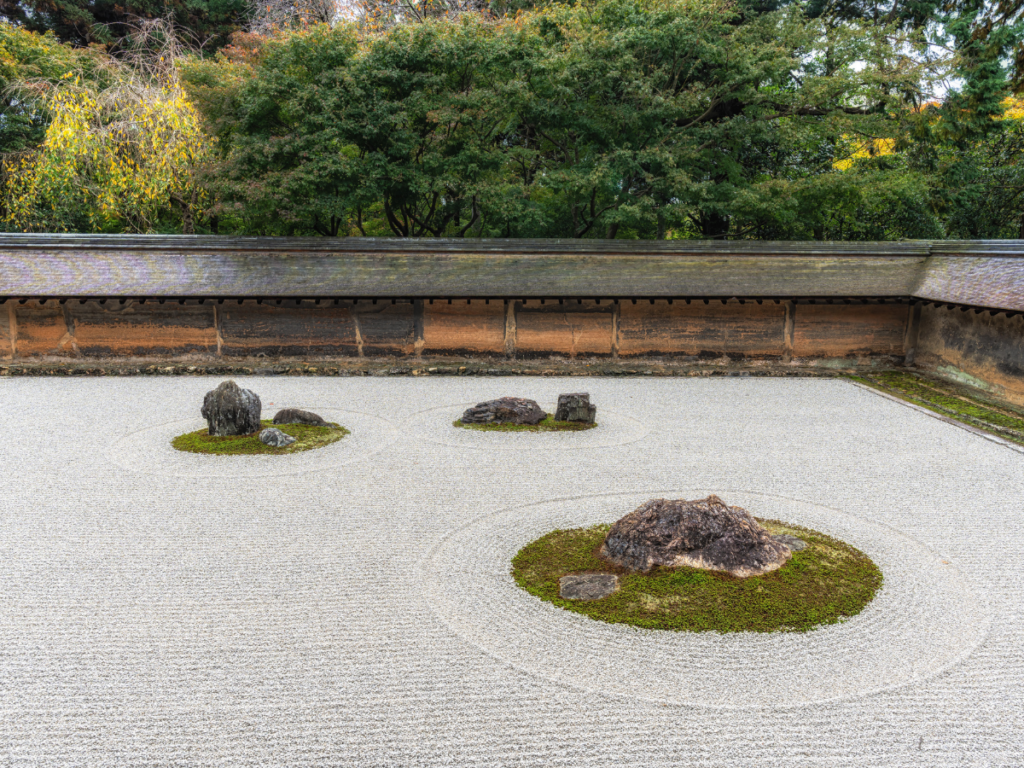
Water features and rock gardens are two of the most recognizable elements in a Zen garden, each contributing to a peaceful and contemplative atmosphere in a unique way.
While water introduces movement and sound, rocks provide structure, permanence, and visual balance. When thoughtfully combined, these features help create an outdoor environment that encourages relaxation and mindfulness.
The appeal of a Zen garden often lies in its ability to simplify the landscape while still creating a rich sensory experience. Water and stone work together to achieve this balance, offering both visual interest and a deeper connection to natural forms.
What Are The Benefits Of Integrating Water Features In A Zen Garden?
Water features can significantly enhance the atmosphere of a Zen garden by introducing gentle movement and soothing sounds. The sound of flowing water has long been associated with relaxation and can help mask unwanted noise from nearby roads, neighbors, or other distractions.
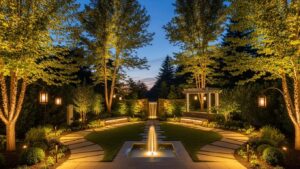
Even a small fountain or recirculating stream can create a calming focal point. The movement of water adds a dynamic quality to the landscape, making the garden feel more alive while maintaining its peaceful character.
Reflections from ponds or water basins can also create visual depth, helping smaller spaces feel larger and more inviting.
In addition to their aesthetic benefits, water features can support local wildlife. Birds are often attracted to shallow water sources, adding subtle movement and natural sounds that further enrich the garden experience.
This connection to nature aligns closely with the principles that guide traditional Zen garden design. For homeowners with limited space or maintenance concerns, smaller water elements can provide many of the same benefits without requiring extensive upkeep.
The key is selecting a feature that complements the overall scale and simplicity of the garden.
How To Design A Japanese Rock Garden Effectively
While water introduces movement, rock gardens create stability and structure. In many traditional Zen garden designs, stones serve as the primary visual anchors of the landscape. Their placement is carefully considered to create balance and guide the viewer’s attention through the space.
When designing a rock garden, it is important to select stones that vary in size, shape, and texture. This variation helps create a more natural appearance while avoiding a rigid or artificial layout.
Large stones can serve as focal points, while smaller rocks help establish rhythm and visual flow throughout the garden.
Gravel or sand is often used around the stones to symbolize water. Raked patterns can represent ripples, waves, or flowing currents, introducing movement through design rather than through actual water.
These patterns are not only visually appealing but also serve as a meditative maintenance practice for many garden owners.
Rather than arranging rocks symmetrically, traditional Japanese design often embraces asymmetry to reflect the organic balance found in nature. This approach creates a more authentic and calming environment.
Maintaining Serenity Through Regular Care
A Zen garden relies on ongoing care to preserve its peaceful appearance. Fortunately, maintenance is typically straightforward when the design is intentionally simple.
For rock gardens, regular raking helps maintain clean gravel patterns and prevents debris from accumulating. Periodic removal of weeds and fallen leaves keeps the space tidy and visually balanced.
If the garden includes a water feature, routine cleaning and equipment checks help ensure smooth operation and water clarity.
The maintenance process itself can become part of the Zen garden experience. Tasks such as raking gravel, adjusting stones, or caring for surrounding plants encourage mindfulness and provide opportunities to slow down and focus on the present moment.
Creating A Balanced And Calming Landscape
The most effective Zen garden designs use water features and rock gardens to complement one another rather than compete for attention.
Water brings softness and movement, while stones introduce permanence and structure. Together, they create a landscape that feels balanced, intentional, and calming.
By thoughtfully incorporating these elements, homeowners can create a Zen garden that serves as a personal retreat.
Whether the space includes a simple rock arrangement, a tranquil fountain, or a combination of both, these features can transform an ordinary yard into a peaceful setting designed for reflection and relaxation.
What Are The Best Practices For Building And Maintaining A Zen Garden?
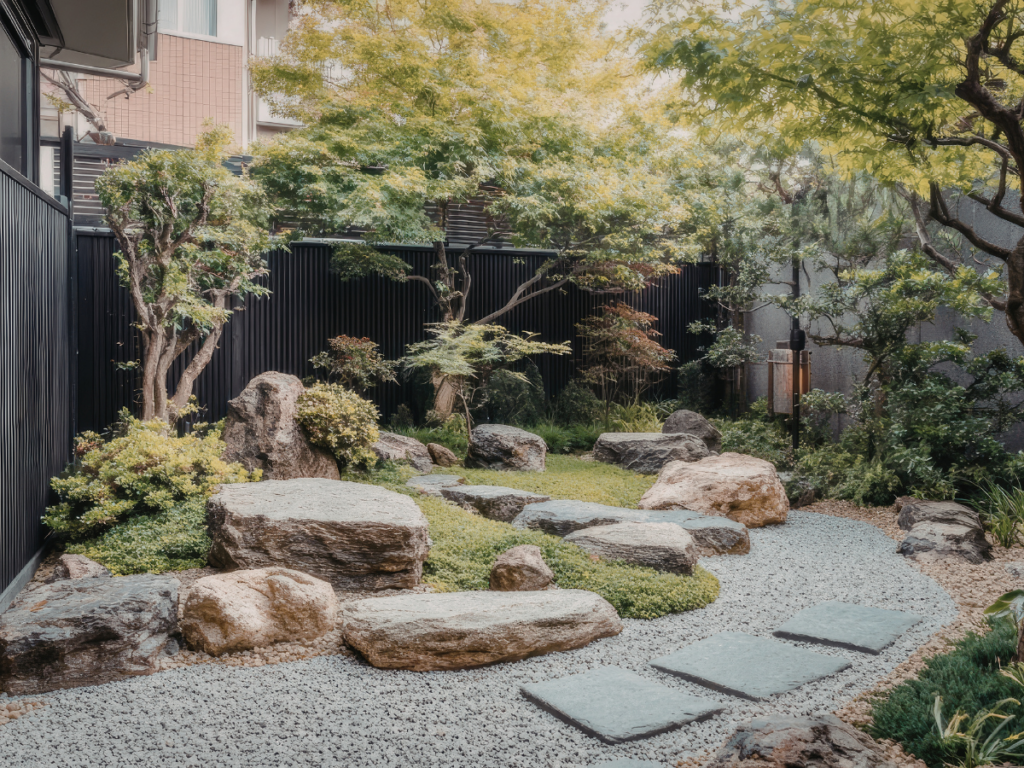
Creating a Zen garden involves more than arranging a few stones and plants. The most successful designs are thoughtfully planned from the beginning, with careful attention given to location, layout, material selection, and ongoing maintenance.
By following a structured approach, homeowners can create a Zen garden that remains peaceful, functional, and visually appealing for years to come.
A well-designed Zen garden should feel intentional and uncluttered. Every element, from the placement of rocks to the choice of plants, should contribute to the overall sense of balance and tranquility. Taking time to plan these details upfront can make a significant difference in the finished result.
How To Build A Zen Garden Step By Step
The first step in creating a Zen garden is selecting the right location. Ideally, the space should be relatively quiet and free from major distractions. Areas that receive a healthy balance of sunlight and shade are often the easiest to maintain, particularly when incorporating plants and moss into the design.
Once a site has been chosen, it’s helpful to create a simple layout before installation begins. This planning stage allows homeowners to determine where key features such as rocks, pathways, seating areas, and water elements will be placed.
A clear design helps ensure that the garden feels balanced rather than overcrowded. After the layout is established, the site can be prepared.
This may involve clearing existing vegetation, leveling the ground, improving soil conditions, or installing landscape fabric beneath gravel areas. Proper preparation creates a stable foundation that supports long-term durability.
The next stage involves placing the major design elements. Larger rocks are typically positioned first because they serve as focal points and help define the overall structure of the Zen garden.
Gravel, sand, plants, and additional decorative features can then be added around these anchors to complete the design.
Finally, practical features such as pathways, benches, or viewing areas can be incorporated to make the garden more enjoyable and accessible. These additions should complement the design rather than dominate it.
Creating A Layout That Promotes Tranquility
One of the defining characteristics of a Zen garden is its sense of calm. Achieving this atmosphere often comes down to thoughtful spacing and restraint.
Instead of filling every corner with plants or decorative elements, leave open areas that allow the eye to rest. Negative space is an important design tool in Zen-inspired landscapes and contributes significantly to the feeling of serenity.
Pathways should encourage slow movement through the garden, while focal points such as stone groupings or small water features can guide attention naturally. The goal is to create a space that feels balanced and inviting rather than busy or overly decorative.
What Seasonal Care Is Required For Long-Term Garden Serenity?
Even a low-maintenance Zen garden benefits from regular seasonal care. Consistent upkeep helps preserve the garden’s appearance and prevents small issues from becoming larger problems.
During spring, focus on refreshing the landscape after winter. This is an ideal time to add new plants, prune damaged growth, and inspect pathways, gravel areas, and water features. Spring maintenance helps prepare the garden for the growing season ahead.
Summer care typically centers on watering, weed control, and monitoring plant health. Although many Zen garden plants are selected for their resilience, hot weather can still place stress on certain species. Keeping the landscape tidy during this period helps maintain its calming appearance.
Fall provides an opportunity to prepare the garden for colder temperatures. Removing fallen leaves, pruning where necessary, and applying mulch around vulnerable plants can help protect the landscape through winter.
During winter, maintenance is generally minimal. However, it is still important to monitor delicate plants and ensure that hardscape features remain in good condition. Even in colder months, a Zen garden can retain its beauty through carefully placed stones, evergreen plantings, and clean, uncluttered design.
Preserving The Long-Term Beauty Of A Zen Garden
A Zen garden is not a one-time project but an evolving landscape that benefits from regular attention. Fortunately, the maintenance process often reflects the same principles that inspire the garden itself.
Tasks such as raking gravel, trimming plants, and adjusting design elements can become calming rituals that deepen your connection to the space.
By combining thoughtful design, proper installation, and consistent seasonal care, homeowners can create a Zen garden that continues to provide beauty, balance, and tranquility throughout the year.
Conclusion
A thoughtfully designed Zen garden can bring a sense of balance, tranquility, and natural beauty to any outdoor space.
By incorporating elements such as carefully placed stones, calming plant selections, textured materials, and simple, intentional layouts, homeowners can create a peaceful retreat that encourages relaxation and reflection.
Whether you are designing a small meditation garden or transforming your entire landscape, professional guidance can help bring your vision to life while ensuring a cohesive and functional design.
For expert landscape design and outdoor living solutions, choose Legacy Landscape Design. Ready to create your own serene outdoor sanctuary? Call 770-427-2026 or get a free quote through our website form today.