Spending time outdoors does more than provide a change of scenery. Well-designed outdoor spaces can support mental clarity, reduce stress, and encourage healthier daily habits. Even small interactions with fresh air, sunlight, and natural surroundings can have a meaningful impact on overall well-being.
The health benefits of outdoor spaces are connected to both physical and emotional wellness. Access to comfortable outdoor areas can promote movement, improve mood, support relaxation, and create opportunities to disconnect from constant indoor routines and screen time.
Spaces designed for comfort and usability are more likely to become part of everyday life. With thoughtful design and regular use, outdoor environments can become an important part of maintaining balance, comfort, and long-term well-being.
Health Benefits That Make Outdoor Living Worth Prioritizing
How Does Connection To Nature Enhance Mental Health?
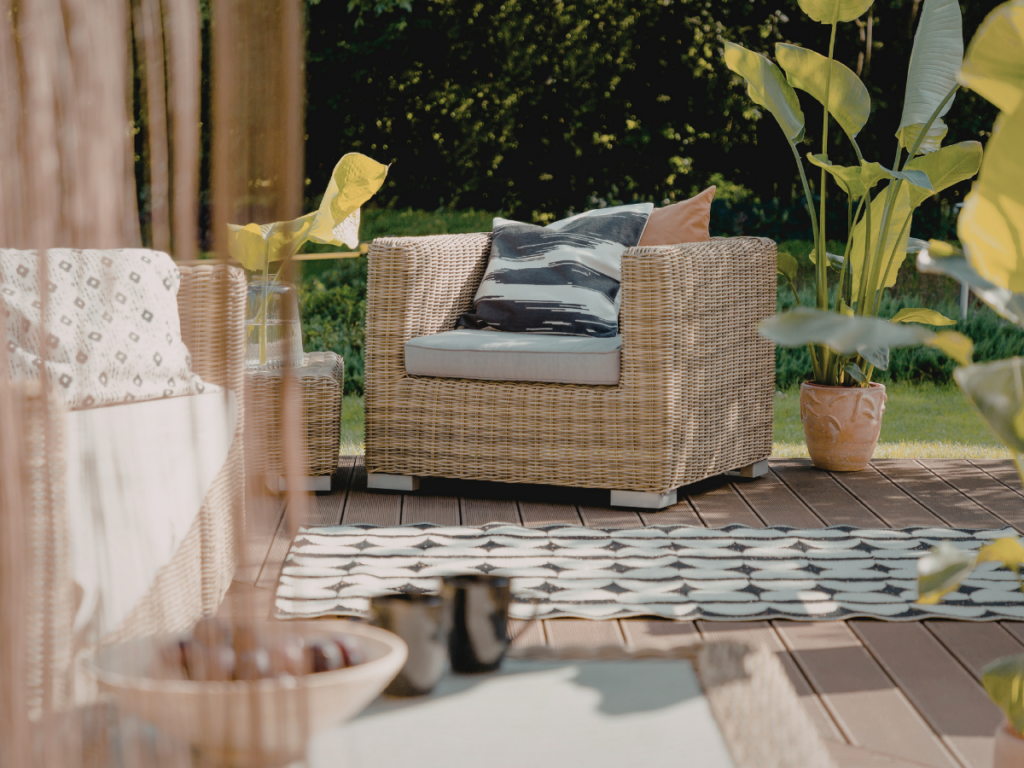
Spending time in nature can have a noticeable impact on emotional well-being and overall mental clarity. Whether it is walking through a park, gardening in the backyard, or simply spending more time outdoors, natural environments often provide a sense of calm that is difficult to recreate indoors.
Many people seek out outdoor spaces to disconnect from daily stress, and research continues to support the mental and emotional health benefits associated with time spent in nature.
Natural settings encourage people to slow down and become more present. The sounds of birds, fresh air, sunlight, and green spaces can help reduce mental fatigue and create a more relaxed state of mind.
This shift away from constant stimulation allows the brain to recover from stress and overstimulation that often come from work, technology, and busy schedules.
One reason the health benefits of nature are so widely recognized is that outdoor environments support both mental and physical wellness at the same time.
Activities such as walking, hiking, gardening, or spending time in community spaces encourage movement while also improving mood and reducing stress levels.
The Psychological Benefits Of Gardening And Outdoor Activities
Gardening is one of the most accessible ways people can experience the health benefits of connecting with nature. Caring for plants, working with soil, and spending time outdoors can create a sense of purpose and accomplishment that positively affects emotional well-being.
Many people find gardening calming because it combines gentle physical activity with mindfulness. Focusing on planting, watering, or maintaining a garden helps redirect attention away from daily stressors and encourages a more grounded mental state.
This can be especially helpful for individuals dealing with anxiety or mental exhaustion. Outdoor activities also support mental health by encouraging regular movement.
Physical activity has long been associated with improved mood, lower stress levels, and better sleep quality. Activities like walking, cycling, hiking, or even casual yard work help people stay active while benefiting from time spent outdoors.
Social interaction is another important factor. Community gardens, outdoor classes, and group recreational activities create opportunities for connection with others.
These interactions can reduce feelings of loneliness and strengthen a sense of belonging, both of which contribute to emotional wellness.
How Nature Therapy Supports Stress Reduction
Nature therapy focuses on using outdoor environments to support relaxation and mental recovery. One well-known example is forest bathing, also called shinrin-yoku, a practice that encourages people to fully immerse themselves in a natural setting through mindful observation and slow movement.
Rather than treating nature as simply a backdrop, forest bathing emphasizes engaging with the environment through sight, sound, smell, and touch. This intentional connection to nature encourages mindfulness and helps calm the nervous system.
Research has shown that spending time in forest environments may help lower cortisol levels, which are commonly associated with stress. Studies examining forest bathing have found short-term reductions in stress biomarkers and improvements in feelings of relaxation and emotional balance.
These findings continue to support the growing interest in nature-based wellness practices. One reason nature therapy can feel effective is because it removes people from overstimulating environments.
Constant notifications, traffic noise, artificial lighting, and busy schedules can contribute to mental fatigue. Natural settings often provide a quieter, slower-paced environment that allows the mind to reset.
Why Nature Plays An Important Role In Overall Wellness
The health benefits of nature extend beyond temporary stress relief. Regular exposure to outdoor environments may help support better emotional resilience, improved concentration, and a stronger sense of balance in everyday life.
Many people notice that spending time outdoors helps them feel more focused and mentally refreshed afterward. This can be particularly helpful for individuals who spend long hours indoors or working on screens throughout the day.
Nature also encourages healthier daily habits. People who spend more time outside may be more likely to exercise regularly, maintain social connections, and engage in mindful activities that support emotional wellness.
Even small changes can make a difference. Visiting local parks, taking walks outside during breaks, gardening, or spending quiet time outdoors are all simple ways to experience the mental health benefits associated with nature.
Over time, these habits can contribute to lower stress levels and improved overall well-being.
What Role Does Landscape Design Play In Promoting Wellness?

Landscape design does far more than improve the appearance of an outdoor space. A well-planned landscape can influence how people feel, move, and interact with their environment on a daily basis.
From reducing stress to encouraging physical activity, outdoor spaces designed with wellness in mind can have a meaningful impact on both mental and physical health.
Thoughtful landscapes create opportunities for people to slow down and spend more time outside. Whether it is a quiet backyard retreat, a community garden, or a shaded walking path, these environments encourage relaxation and connection with nature.
As more homeowners and communities prioritize outdoor living, the health benefits associated with intentional landscape design continue to gain attention. One reason outdoor environments are so effective is that they combine multiple wellness factors at once.
Greenery, fresh air, natural light, and comfortable gathering spaces all work together to create settings that feel calming and restorative. These environments can help reduce mental fatigue while also promoting healthier daily habits.
How Does Custom Landscape Design Support Mental And Physical Health?
Custom landscape design allows outdoor spaces to be tailored to the specific needs and lifestyle of the people using them. Instead of focusing only on appearance, wellness-centered landscapes are designed to encourage comfort, movement, and relaxation.
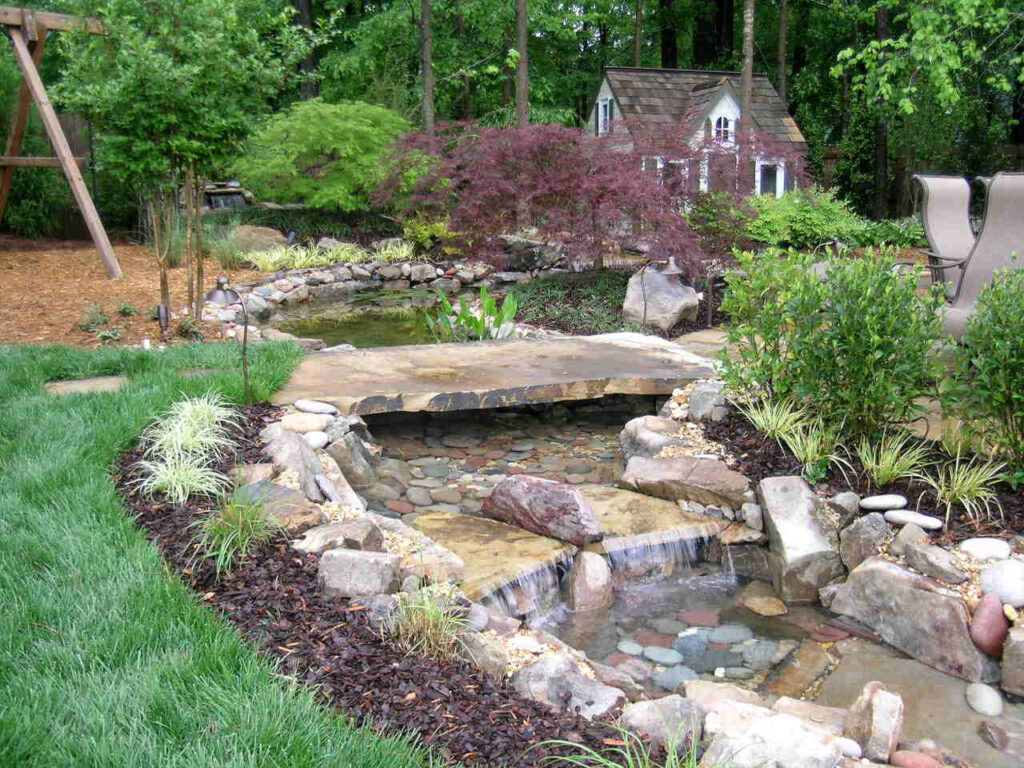
Water features are one example of how landscape design can support emotional well-being. The sound of moving water often creates a calming atmosphere that helps reduce stress and promote relaxation.
Small fountains, ponds, or waterfalls can introduce a peaceful element that softens surrounding noise and makes outdoor areas feel more tranquil.
Comfortable seating areas also play an important role. Benches, patios, pergolas, and shaded lounge spaces encourage people to spend more time outdoors, whether alone or with others.
These gathering spaces can support social interaction, which is closely connected to emotional wellness and reduced feelings of isolation.
Plant selection matters as well. Native plants not only thrive in local conditions, but they also create a more natural connection between the landscape and the surrounding environment. Their textures, colors, and seasonal changes help make outdoor spaces feel more inviting and visually calming.
Custom layouts can also encourage physical activity in subtle ways. Walking paths, garden spaces, and open areas for recreation motivate people to move more throughout the day. Even light outdoor activity can contribute to the overall health benefits associated with spending time outside.
What Sustainable Practices Enhance Wellness In Outdoor Spaces?
Sustainable landscaping practices improve both environmental health and personal wellness. By creating healthier outdoor ecosystems, these approaches make landscapes easier to maintain while also providing long-term benefits for the people who use them.
Using native plants is one of the most effective sustainable strategies. Native species generally require less water, fertilizer, and maintenance because they are naturally adapted to the local climate.
This reduces the need for chemical treatments and supports pollinators such as bees and butterflies, helping create a healthier outdoor environment overall.
Efficient irrigation systems also contribute to wellness-focused landscape design. Smart watering systems help maintain healthy plants while conserving water and preventing overwatering issues that can lead to drainage problems or plant disease.
A well-maintained landscape tends to feel cleaner, more comfortable, and more enjoyable to use regularly.
Organic gardening techniques are another valuable addition to wellness-oriented outdoor spaces. Reducing the use of harsh chemicals creates a safer environment for children, pets, and wildlife.
Organic methods also improve soil quality over time, supporting healthier plant growth and a more balanced ecosystem.
These sustainable practices reinforce the long-term health benefits of outdoor living spaces. A landscape that is easy to maintain, environmentally responsible, and visually inviting naturally encourages more time spent outdoors.
Why Wellness-Focused Landscapes Matter
Outdoor spaces have become an increasingly important part of everyday life, especially as people look for ways to reduce stress and improve overall well-being at home. Landscape design helps shape how those spaces function and how they make people feel.
The health benefits of thoughtfully designed outdoor environments extend beyond aesthetics. Relaxing spaces, natural elements, and sustainable landscaping choices can improve mood, encourage movement, and create stronger connections with nature and community.
Even small landscape improvements can make a noticeable difference. Adding shaded seating, planting native greenery, or creating a quiet garden area can transform an ordinary outdoor space into one that actively supports wellness and quality of life.
Which Features Define Effective Healing Gardens And Therapeutic Landscapes?

Healing gardens and therapeutic landscapes are designed to create calm, restorative environments that support both emotional and physical well-being.
Unlike traditional outdoor spaces that focus primarily on appearance, these landscapes are intentionally planned to encourage relaxation, reflection, and connection with nature.
As interest in wellness-centered design continues to grow, healing gardens are becoming increasingly common in healthcare facilities, community spaces, and private homes.
The health benefits of these environments often come from a combination of sensory experiences, natural materials, and thoughtful layouts.
When people spend time in spaces designed for restoration, they are more likely to experience reduced stress, improved mood, and a stronger sense of mental clarity. These spaces can also encourage gentle movement, mindfulness, and social interaction, all of which contribute to overall wellness.
Therapeutic landscapes are especially effective because they engage people on multiple levels. The sounds of nature, the textures of plants, and the visual calm created by greenery all work together to create a more peaceful experience.
Even small outdoor areas can provide meaningful health benefits when designed with wellness in mind.
What Design Elements Foster Restorative Outdoor Environments?
Several key design elements help transform ordinary outdoor areas into restorative spaces that support relaxation and healing. One of the most important features is the use of sensory plants.
Fragrant herbs, flowering plants, ornamental grasses, and textured foliage create a richer outdoor experience by engaging sight, smell, and touch. These natural details encourage people to slow down and become more present in their surroundings.
Pathways also play an important role in therapeutic landscape design. Curved walking paths encourage gentle movement and create opportunities for quiet reflection.
Instead of rushing through a space, visitors are naturally guided to move at a slower pace, which can help reduce stress and mental fatigue. Walking through a peaceful outdoor setting has been linked to several health benefits, including improved mood and reduced anxiety.
Secluded seating areas further enhance the restorative quality of healing gardens. Benches tucked beneath trees, shaded patios, or quiet garden corners provide places where people can sit, reflect, read, or simply enjoy a moment of calm.
These private areas are particularly valuable in busy environments where individuals may need a break from noise and overstimulation.
Lighting and natural shade also contribute to comfort and usability. Soft lighting creates a welcoming atmosphere during the evening, while shaded areas make outdoor spaces more comfortable during warmer parts of the day.
Together, these features help create environments that feel safe, calming, and inviting.
How Do Healing Gardens Integrate Biophilic And Wellness Principles?
Healing gardens often incorporate biophilic design principles, which focus on strengthening the human connection to nature. Biophilic design recognizes that people tend to feel healthier and more balanced when surrounded by natural elements.
This approach has become increasingly important in both residential and public landscape design because of its connection to long-term wellness.
Natural materials are one of the defining features of biophilic spaces. Wood, stone, gravel, and other organic textures help outdoor areas feel grounded and authentic. These materials create visual warmth while reinforcing the connection between built environments and the natural world.
Water features are another common element found in therapeutic landscapes. Fountains, ponds, and small waterfalls add movement and soothing sound to outdoor spaces.
The gentle sound of flowing water can help mask traffic noise and create a more peaceful atmosphere, contributing to the overall health benefits associated with time spent outdoors.
Diverse plant life also supports wellness-focused design. A variety of trees, shrubs, flowers, and native plants creates visual interest while supporting local ecosystems. Seasonal changes in color, texture, and bloom cycles help outdoor spaces feel dynamic and engaging throughout the year.
Research continues to support the positive effects of biophilic design on stress reduction and emotional well-being. Studies have shown that environments incorporating natural elements can improve focus, lower stress levels, and promote a stronger sense of relaxation.
Why Healing Gardens Continue To Grow In Popularity
As more people recognize the connection between outdoor spaces and wellness, healing gardens are becoming a valuable part of landscape design.
These environments offer more than visual appeal. They provide spaces where people can recharge mentally, reconnect with nature, and enjoy meaningful health benefits in their everyday lives.
Whether incorporated into a healthcare facility, workplace, or private backyard, therapeutic landscapes demonstrate how thoughtful outdoor design can positively influence overall well-being.
How Can 3D Visualization Improve Planning Of Wellness-Focused Outdoor Spaces?
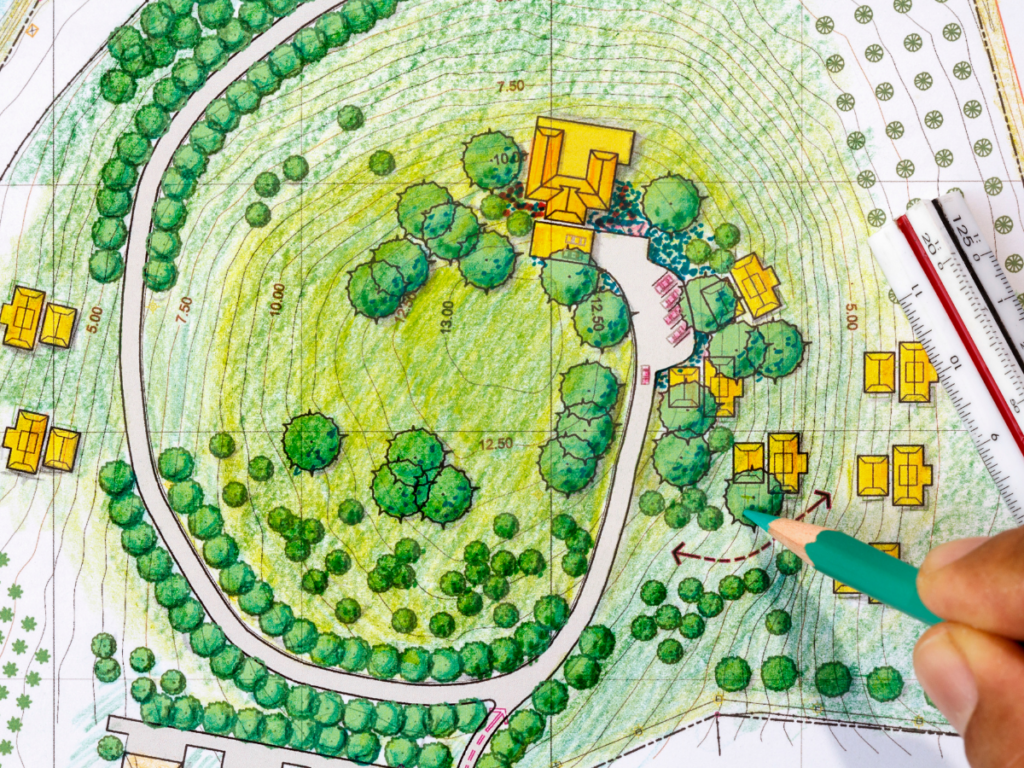
3D visualization has become an important part of modern landscape design, especially when planning outdoor spaces centered around comfort, relaxation, and overall well-being.
Instead of relying solely on sketches or flat blueprints, designers can create realistic digital models that help homeowners better understand how a finished space will look and function before construction begins.
For wellness-focused projects, this level of visualization is especially valuable. Outdoor spaces designed to support relaxation, social interaction, and connection with nature often include multiple elements working together at once.
Features such as seating areas, gardens, pathways, lighting, and water installations all influence the experience of the space. Seeing these details in a realistic format makes it easier to create environments that truly support the desired health benefits.
3D landscape visualization also allows adjustments to happen early in the planning process. Homeowners can experiment with layouts, plant placement, or material choices before committing to installation. This creates a more collaborative and efficient design experience while helping avoid costly revisions later.
What Are The Benefits Of 3D Landscape Modeling For Client Collaboration?
One of the biggest advantages of 3D landscape modeling is improved communication between designers and clients. Traditional plans can sometimes feel difficult to interpret, especially for homeowners unfamiliar with technical drawings.
A realistic 3D rendering removes much of that uncertainty by showing how the outdoor space will actually appear from different angles and perspectives.
This clarity helps clients feel more confident when discussing design ideas or requesting adjustments. For example, they can better evaluate whether a patio feels spacious enough, if pathways flow naturally, or how plant selections may affect privacy and shade.
Instead of imagining the final result, clients can visually experience it before construction even begins. Another major benefit is cost efficiency. Identifying design concerns early can help prevent expensive changes during installation.
If a seating area feels cramped or a garden layout blocks movement through the yard, those issues can be addressed digitally before materials are purchased or labor begins. This streamlines the planning process and reduces unnecessary delays.
3D modeling also supports more informed decision-making. Wellness-focused outdoor spaces often combine practical and emotional goals. Homeowners may want a space that feels peaceful, encourages family gatherings, or supports stress reduction through natural surroundings.
Visualization tools help connect those goals with specific design choices, making it easier to create a space that aligns with both functionality and personal lifestyle needs.
How Does Visualization Enhance Understanding Of Wellness Attributes?
Visualization technology helps homeowners understand how specific design elements contribute to comfort, relaxation, and overall wellness. Instead of viewing features individually, clients can see how they interact together to shape the atmosphere of the outdoor environment.
For example, water features are often included in wellness-centered landscapes because of their calming sound and visual movement.
Through 3D visualization, homeowners can better understand how a fountain or small pond fits within the overall layout and how it may influence the mood of the space.
These features are frequently associated with stress reduction and relaxation, both of which contribute to the long-term health benefits of spending time outdoors.
Seating areas are another important component of wellness-focused landscape design. Comfortable gathering spaces encourage social interaction, outdoor dining, and moments of rest.
Visualization tools allow clients to see how seating arrangements affect traffic flow, privacy, and overall comfort within the yard.
Plant selection also becomes easier to evaluate through 3D rendering. Native plants, shade trees, and layered greenery can all be visualized together to show how they support biodiversity, reduce maintenance needs, and improve the overall appearance of the landscape.
In many cases, thoughtful planting design contributes both aesthetic value and meaningful health benefits by creating cooler, more inviting outdoor environments.
Lighting is another detail that becomes clearer through visualization. Soft landscape lighting can improve safety while also creating a relaxing evening atmosphere. Being able to preview lighting placement helps homeowners balance functionality with ambiance.
Why 3D Visualization Matters In Wellness Landscape Design
As outdoor living spaces continue to evolve, 3D visualization has become an essential planning tool for wellness-centered landscapes.
It gives homeowners a realistic understanding of how design choices will shape their everyday experience while improving communication and reducing uncertainty throughout the project.
Most importantly, visualization helps ensure that outdoor environments are designed intentionally to support relaxation, movement, social connection, and other important health benefits.
By combining creativity with practical planning, 3D landscape modeling allows designers and clients to create spaces that feel both functional and restorative.
Conclusion
Outdoor spaces can have a powerful impact on daily well-being by creating opportunities for relaxation, movement, fresh air, and meaningful time spent with family and friends.
Whether it is a peaceful backyard retreat, a functional outdoor living area, or a thoughtfully designed landscape, investing in your outdoor environment can support both physical and mental wellness while enhancing the beauty and value of your property.
Legacy Landscape Design specializes in creating custom outdoor spaces that blend comfort, functionality, and lasting curb appeal. If you are ready to transform your property into a space you can enjoy every day, call 770-427-2026 or get a free quote today.