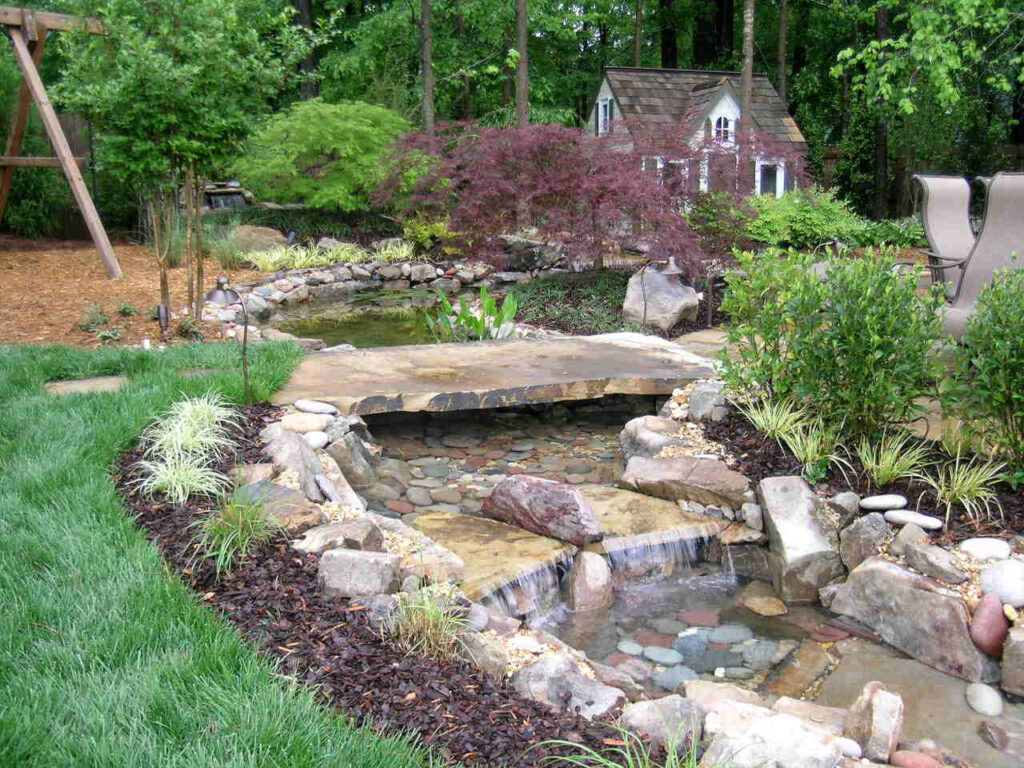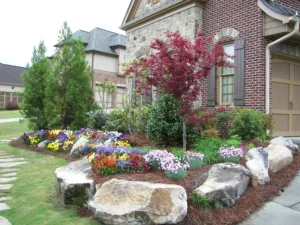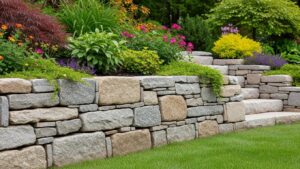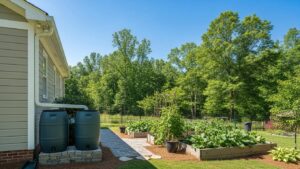
A small backyard doesn’t have to feel cramped or limited. With the right layout, design choices, and visual strategies, even compact outdoor spaces can feel more open, functional, and inviting. The key is making intentional use of every square foot without overcrowding the area.
Small backyard ideas that make compact spaces feel bigger often focus on creating flow, maximizing vertical space, and reducing visual clutter. Features like multi-purpose furniture, layered landscaping, strategic lighting, and defined zones can help the space feel larger and more organized.
With thoughtful planning, a smaller backyard can become a comfortable outdoor retreat that feels spacious, balanced, and easy to enjoy year-round.
Smart Small Backyard Ideas for Better Outdoor Living
How Can You Maximize Space With Compact Garden Design Techniques?
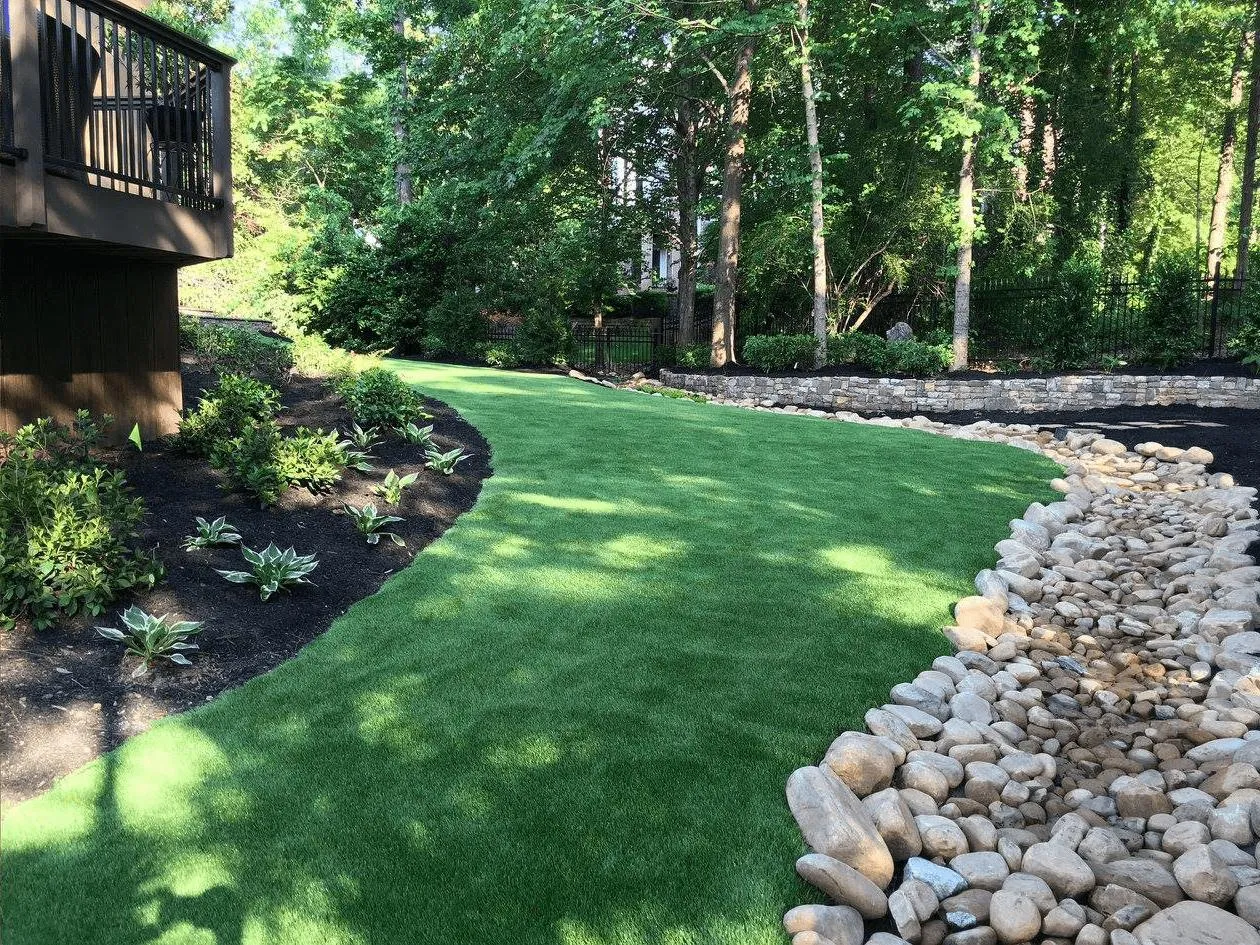
Creating a functional outdoor space in a limited area requires thoughtful planning, but small yards often have more potential than homeowners expect.
With the right layout and planting choices, even compact spaces can feel open, comfortable, and visually layered. Many of the best small backyard ideas focus on making every square foot work harder without making the space feel crowded.
Instead of trying to fit too many separate features into one area, successful compact garden design focuses on flexibility, vertical space, and visual balance. Small backyards benefit from layouts that create movement and purpose while still leaving room to relax and enjoy the space.
By combining smart planting techniques with multi-functional design, homeowners can turn even narrow or awkward yards into inviting outdoor environments.
Why Vertical Gardening Works Well In Small Backyards
Vertical gardening is one of the most effective small backyard ideas because it increases planting space without taking up valuable ground area. Instead of spreading plants outward, vertical systems encourage growth upward through trellises, wall planters, hanging containers, or climbing structures.
This approach works especially well for herbs, vegetables, flowering vines, and decorative greenery. Climbing plants can soften fences or walls while adding privacy and texture to the yard. Vertical gardens also help draw the eye upward, which can make compact outdoor areas feel taller and more spacious.
Research on vertical gardening consistently highlights its efficiency in small spaces. By using height strategically, homeowners can grow more plants while preserving open areas for seating, pathways, or entertaining.
Vertical elements also help break up flat landscapes visually. A small backyard with layered heights and greenery often feels more dynamic than one where everything stays close to ground level.
How Multi-Purpose Spaces Improve Backyard Functionality
One of the biggest challenges in small yards is balancing aesthetics with practicality. A multi-purpose design solves this problem by allowing one area to serve several functions at once.
For example, a compact patio can work as a dining area, relaxation zone, and container garden depending on how it is arranged. Built-in benches with hidden storage can provide seating without adding clutter. Foldable furniture or movable planters also make it easier to adapt the space for different uses throughout the year.
Many successful small backyard ideas focus less on adding more features and more on making each feature more flexible. A carefully designed outdoor space feels larger when it avoids unnecessary barriers or oversized furniture.
Creating clear visual zones can also improve functionality without physically dividing the yard. Changes in paving material, lighting, or plant arrangement can subtly separate spaces while maintaining an open feel.
What Are Effective Space-Saving Garden Ideas For Small Backyards?
Plant selection has a major impact on how spacious a backyard feels. Oversized trees or dense shrubs can quickly overwhelm compact areas, while smaller-scale plants help maintain balance and openness.
Compact trees and dwarf shrubs are often better suited for smaller landscapes because they provide greenery and structure without dominating the yard. Ornamental trees with lighter canopies can also create shade while still allowing the space to feel airy.
Trailing vines are another smart solution for compact gardens. They can be trained along fences, pergolas, or trellises to introduce greenery without reducing usable floor space. Flowering vines also help soften hard surfaces and create a more layered, established look.
Layering plants at different heights is another technique that helps small gardens feel larger. Combining low ground cover, medium-height shrubs, and taller vertical plants creates visual depth and prevents the landscape from appearing flat or cramped.
These layered planting arrangements are commonly used in professional small backyard ideas because they add richness without increasing clutter.
How Container Gardening Adds Flexibility To Compact Spaces
Container gardening is especially useful in small backyards because it allows homeowners to change layouts easily over time. Unlike permanent planting beds, containers can be moved seasonally or rearranged as needs change.
Containers also help maximize difficult spaces such as patios, corners, stair edges, or narrow walkways. Mixing container sizes and materials adds texture and visual interest while maintaining flexibility.
For homeowners working with very limited square footage, container gardening offers a practical way to introduce flowers, herbs, vegetables, or decorative plants without committing to large planting areas.
The best small backyard ideas often combine several of these strategies together. Vertical gardening, layered planting, flexible furniture, and container arrangements work best when they support one another rather than compete for space. With thoughtful planning, a compact backyard can feel organized, inviting, and surprisingly spacious.
Which Modern Small Garden Layouts Optimize Limited Outdoor Areas?
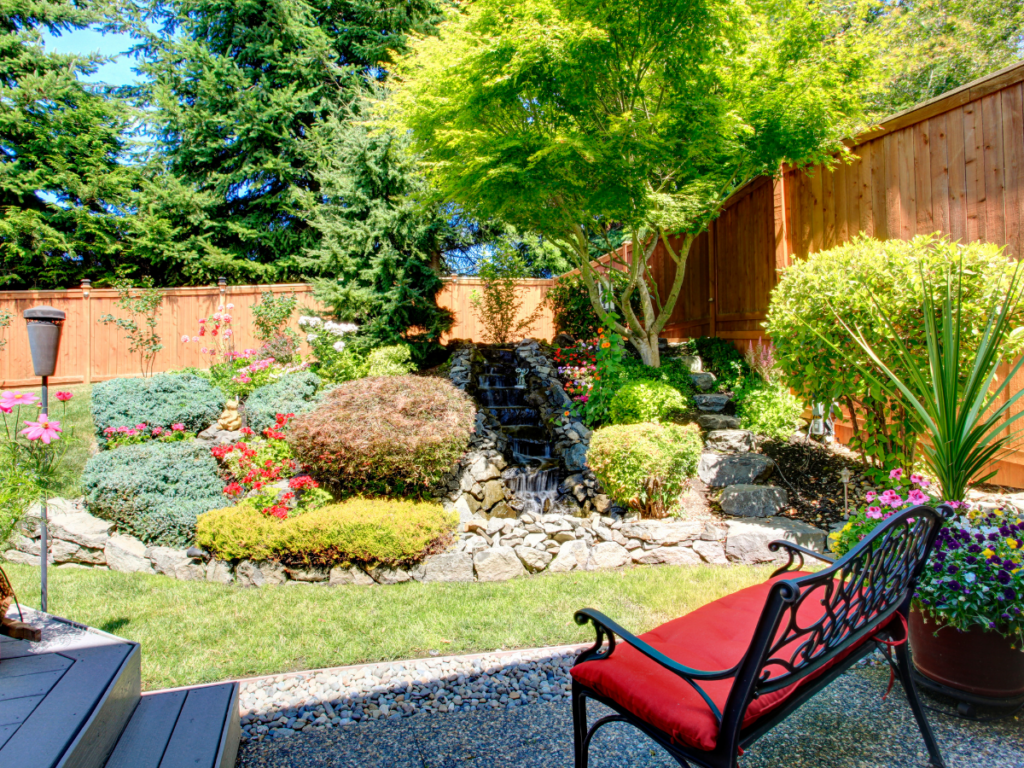
Designing a functional outdoor space in a compact yard often comes down to layout. The way furniture, pathways, plants, and gathering areas are arranged can dramatically affect how spacious and usable the yard feels.
Many modern small backyard ideas focus less on adding more features and more on organizing the space in a smarter, more intentional way.
A good layout creates flow between different parts of the yard while still leaving enough open space to avoid a cramped appearance. Modern garden design also emphasizes flexibility, allowing outdoor areas to serve multiple purposes throughout the year.
With thoughtful planning, even a small backyard can include areas for relaxing, entertaining, gardening, and outdoor dining without feeling overcrowded.
Why Multi-Level Layouts Work Well In Small Backyards
Multi-level patios are one of the most effective small backyard ideas for separating functions without using walls or bulky dividers. Slight changes in elevation naturally create distinct zones while helping the yard feel larger and more dynamic.
For example, a raised deck area can function as an outdoor dining space, while a lower section may serve as a lounge or fire pit area. Even modest elevation changes help define spaces visually without interrupting the overall openness of the yard.
This layered approach also improves visual interest. Flat landscapes sometimes feel smaller because the eye takes in the entire space at once. Multi-level layouts encourage movement and create a sense of progression through the yard.
In compact outdoor areas, built-in seating along retaining walls or steps can also save space while reducing the need for large patio furniture.
How Vertical Gardens Improve Small Garden Layouts
Vertical gardens remain one of the most practical modern small backyard ideas because they allow homeowners to increase greenery without sacrificing usable floor space. Instead of expanding outward, plants are layered upward using walls, trellises, shelves, or hanging systems.
This strategy works especially well in narrow urban yards, courtyard gardens, or homes with limited planting areas. Vertical planting softens fences and walls while creating texture and privacy.
Modern vertical gardens often combine decorative and functional elements. Herbs, flowers, succulents, and climbing plants can all be incorporated into vertical systems depending on the homeowner’s goals and maintenance preferences.
Beyond saving space, vertical gardens also contribute to the overall design aesthetic. They help transform plain surfaces into focal points and can make compact outdoor spaces feel more immersive and visually balanced.
Why Defined Zones Make Small Yards Feel Larger
One common mistake in compact landscaping is treating the entire backyard as a single-purpose space. Modern layouts work better when they create subtle separation between activities.
Defined zones do not require physical barriers. Changes in paving materials, lighting, plant arrangement, or furniture placement can visually divide the yard while maintaining an open atmosphere.
For example, a small gravel seating area surrounded by plants may feel like a separate outdoor room even within a compact footprint. Similarly, a narrow pathway lined with greenery can guide movement through the space and create the impression of depth.
Many successful small backyard ideas rely on this principle of visual layering. When different areas have distinct purposes, the yard often feels more functional and less cluttered.
How Compact Fire Pits Add Function Without Overcrowding
Fire pits continue to be popular features in modern outdoor design, but oversized installations can quickly overwhelm a small yard. Compact fire pits offer a more balanced solution by creating a social focal point without dominating the layout.
Portable or built-in low-profile fire pits work especially well in smaller outdoor spaces because they encourage gathering while preserving flexibility. Circular seating arrangements around a compact fire feature also help maximize usable space.
Modern designs tend to favor cleaner lines and minimalist materials that blend more naturally into compact landscapes. Instead of becoming a bulky centerpiece, the fire pit becomes part of the overall flow of the backyard.
This reflects a broader trend in small backyard ideas: prioritizing versatility and scale over oversized features.
How Modern Design Principles Improve Small Outdoor Spaces
Modern small garden layouts often rely on simplicity, consistency, and strategic use of materials. Repeating colors, textures, or plant types throughout the yard creates a more cohesive appearance, which helps the space feel less visually crowded.
Furniture selection also matters. Streamlined seating, built-in storage, and movable pieces help maintain flexibility while reducing clutter. In many cases, fewer larger features work better than many smaller decorative elements competing for attention.
Lighting can further enhance the layout by extending usability into the evening and drawing attention to specific focal points. Soft pathway lighting, wall-mounted fixtures, or uplighting around plants can make compact spaces feel more layered and inviting.
The most effective small backyard ideas focus on balance. By combining smart zoning, vertical design, and scaled-down features, homeowners can create outdoor spaces that feel organized, comfortable, and surprisingly spacious despite limited square footage.
What Are Sustainable and Environmentally Conscious Materials for Small Backyard Landscaping?

Sustainable landscaping has become an important part of modern outdoor design, especially for homeowners working with limited space. Many small backyard ideas now focus not only on appearance and functionality but also on reducing environmental impact and long-term maintenance needs.
Compact gardens often benefit from sustainable materials because they help maximize efficiency without overcrowding the space. Eco-friendly landscaping choices can improve drainage, reduce water use, support local ecosystems, and create outdoor areas that are easier to maintain over time.
By combining practical design with environmentally conscious materials, homeowners can create backyards that feel both inviting and responsible.
Why Native Plants Work Well In Small Backyard Landscaping
Native plants are one of the most effective sustainable choices for compact outdoor spaces. Because they naturally adapt to local soil and climate conditions, they typically require less water, fertilizer, and maintenance than non-native species.
In smaller yards, this matters even more. Low-maintenance planting helps prevent gardens from becoming overgrown or difficult to manage.
Native plants also tend to be more resilient during seasonal weather changes, making them a practical long-term solution for homeowners seeking sustainable small backyard ideas.
Another major benefit is ecological support. Native flowers, shrubs, and grasses attract pollinators such as bees, butterflies, and birds, helping strengthen local biodiversity. Even a compact urban garden can contribute positively to the surrounding ecosystem when thoughtfully planted.
Many homeowners also appreciate the more natural appearance native landscaping creates. Instead of highly manicured designs that require constant upkeep, native plant gardens often feel softer, more relaxed, and more connected to the local environment.
How Permeable Pavers Improve Sustainable Backyard Design
Hardscaping plays a major role in small backyard layouts, but traditional concrete surfaces can create drainage and runoff problems. Permeable pavers offer a more environmentally conscious alternative by allowing rainwater to filter naturally into the ground instead of flowing into storm drains.
This approach supports groundwater recharge while reducing standing water and erosion issues. Research on permeable pavement systems continues to highlight their value in sustainable stormwater management, particularly in urban environments where outdoor space is limited.
Permeable surfaces also help prevent compact backyards from feeling overly hard or heat-intensive during warmer months. Materials such as gravel grids, permeable brick systems, and porous pavers create a softer visual appearance while improving drainage performance.
Many modern small backyard ideas incorporate these materials because they combine practicality with cleaner, more contemporary design aesthetics.
Why Reclaimed And Recycled Materials Add Character
Sustainability in backyard design is not limited to plants and paving. Reclaimed wood, recycled stone, and repurposed materials can also play a major role in environmentally conscious landscaping.
Using reclaimed wood for garden beds, fencing, benches, or pergolas reduces waste while adding texture and character to the space. Weathered materials often bring warmth and visual depth that newer materials sometimes lack.
Recycled stone and salvaged brick can also help create pathways, edging, or patio areas with a more established appearance. In smaller yards, these details help create personality without requiring large design features.
Many homeowners are drawn to sustainable small backyard ideas because they encourage creativity while reducing environmental impact. Reusing materials often produces a more unique outdoor space than relying entirely on new products.
How Eco-Friendly Materials Improve Urban Garden Design
In urban settings, especially, eco-friendly landscaping choices can make small outdoor spaces feel more balanced and restorative. Sustainable materials often support healthier soil conditions, improve water efficiency, and create environments that are more comfortable for both people and wildlife.
Cultural and natural elements also play an increasing role in modern landscape design. Gardens that reflect regional materials, local planting traditions, or natural textures often feel more grounded and connected to their surroundings.
This combination of sustainability and design helps transform compact backyards into spaces that feel intentional rather than purely decorative.
What Are Recommended Water-Efficient Solutions For Compact Gardens?
Water conservation is another important consideration in sustainable backyard planning. Smaller yards may require less irrigation overall, but efficient watering systems still make a significant difference in maintenance and resource use.
Drip irrigation systems are especially effective because they deliver water directly to plant roots instead of spraying large areas unnecessarily. This reduces evaporation and keeps moisture levels more consistent.
Rain gardens are another increasingly popular feature in sustainable small backyard ideas. These planted areas help capture and absorb rainwater naturally, reducing runoff while supporting healthy plant growth.
Soaker hoses and targeted irrigation systems also help homeowners maintain healthy gardens without wasting water. In compact landscapes, efficient watering solutions not only support sustainability but also simplify ongoing care.
By combining native plants, permeable materials, reclaimed elements, and efficient irrigation, homeowners can create small backyard spaces that feel modern, functional, and environmentally responsible without sacrificing comfort or visual appeal.d to a more sustainable garden that thrives even in dry conditions.
How Does 3D Landscape Visualization Improve Planning For Small Backyard Projects?
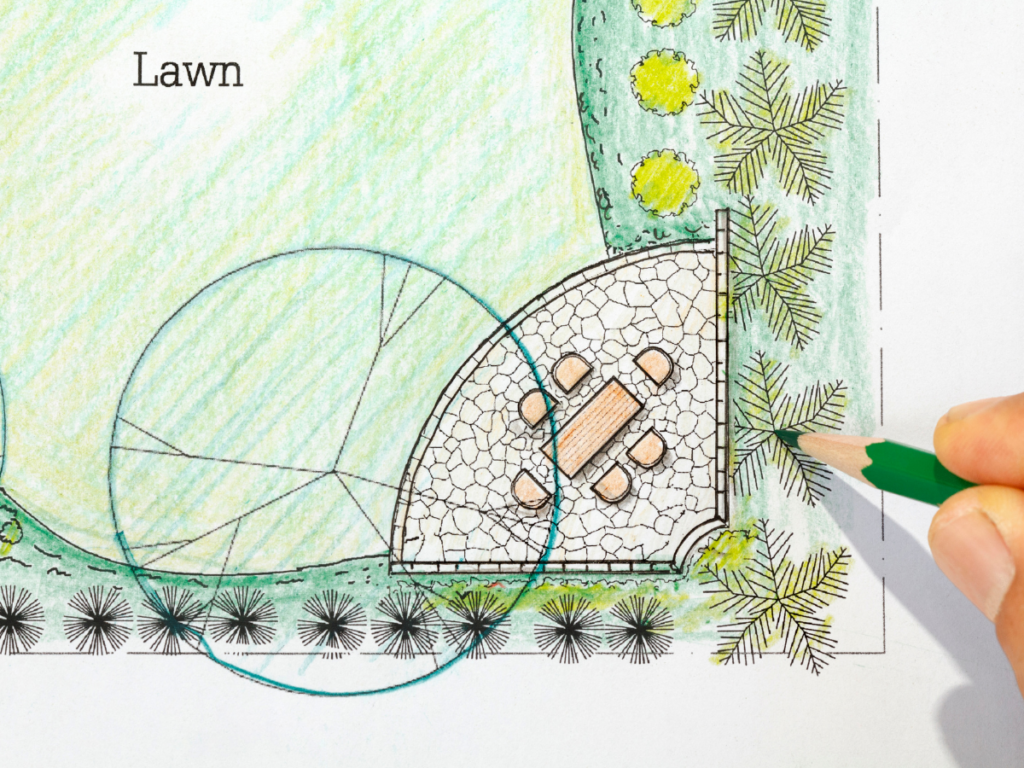
Planning a compact outdoor space can be challenging because every design decision has a noticeable impact. In smaller yards, even minor layout changes can affect functionality, flow, and visual balance. This is why many homeowners and designers now rely on 3D landscape visualization during the planning process.
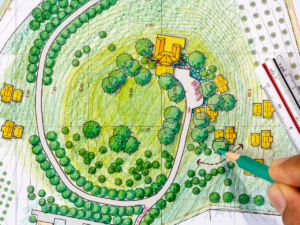
3D visualization tools allow homeowners to see a realistic preview of their outdoor space before construction or installation begins. Instead of relying solely on sketches or verbal descriptions, they can view how pathways, seating areas, plants, lighting, and hardscaping features will look together in the finished design.
For homeowners exploring small backyard ideas, this technology provides a clearer understanding of scale, spacing, and overall layout. It helps reduce uncertainty and makes the planning process more practical and collaborative.
Why Visualization Matters In Small Backyard Design
In large landscapes, small design mistakes may go unnoticed. In compact spaces, however, every feature competes for attention and square footage. Oversized furniture, poorly placed walkways, or crowded planting beds can quickly make a backyard feel smaller and less functional.
3D visualization helps prevent these issues by allowing homeowners to test different layouts before committing to construction. They can compare patio sizes, experiment with plant placement, or evaluate how vertical garden features might affect the overall feel of the yard.
This is especially valuable when working with modern small backyard ideas that involve layered layouts, multi-purpose spaces, or custom hardscaping. Seeing these elements together in a realistic model often makes it easier to recognize what works and what feels too crowded.
Visualization also helps homeowners understand proportions more accurately. Features that may seem appropriately sized on paper can appear overwhelming once placed into a scaled 3D rendering.
How 3D Design Tools Improve Planning Efficiency
One major advantage of 3D design tools is the ability to make changes quickly during the planning stage. Instead of revising hand-drawn plans repeatedly, designers can adjust layouts, materials, or planting schemes digitally and show updated versions almost immediately.
This flexibility speeds up decision-making while reducing misunderstandings between homeowners and landscape professionals. Clients can react to visual representations rather than trying to imagine how individual ideas will look once combined.
For homeowners researching small backyard ideas, this process often leads to more confident decisions because they can see how different materials, furniture arrangements, or plant combinations affect the final result.
3D planning tools can also identify practical issues early. Drainage concerns, walkway spacing, seating clearances, or visibility problems may become more obvious in a realistic rendering than they would in a basic sketch.
Addressing these details before construction begins can help reduce costly changes later in the project.
How Visualization Helps Balance Function And Aesthetics
One of the biggest challenges in compact landscaping is balancing visual appeal with usability. Small yards need to feel attractive without sacrificing movement or comfort.
3D models help homeowners evaluate how different design choices affect both appearance and function. For example, they can see whether a fire pit leaves enough room for circulation or whether vertical planters create too much visual density along a fence line.
This level of detail is particularly useful for layered small backyard ideas that combine entertaining spaces, planting areas, storage, and pathways within limited square footage.
Lighting visualization is another helpful feature. Some advanced design tools simulate how sunlight and shadows move through the yard during different times of day. This helps homeowners position seating areas, gardens, or shade structures more effectively.
How Clients And Designers Collaborate Using 3D Models
Collaboration becomes much easier when both homeowners and designers are working from the same visual reference point. Instead of interpreting descriptions differently, everyone can review the same 3D representation of the project.
This encourages more productive conversations about materials, layout adjustments, and overall priorities. Homeowners may realize they prefer more open space after seeing the initial design, while designers can recommend alternatives that preserve functionality without compromising style.
The collaborative nature of 3D design often leads to stronger final results because adjustments happen before installation rather than after construction has already begun.
For homeowners considering detailed small backyard ideas, visualization tools make the design process feel more approachable and less overwhelming.
Why 3D Planning Supports Better Long-Term Results
Good landscape design is not just about appearance on installation day. Outdoor spaces need to function well over time as plants mature, furniture arrangements change, and seasonal conditions shift.
3D planning allows homeowners to think more strategically about long-term maintenance, traffic flow, and usability before committing to permanent features. This leads to outdoor spaces that are not only visually appealing but also practical for daily use.
As more homeowners invest in compact outdoor living areas, 3D visualization continues to become an important part of modern backyard planning. It helps transform abstract ideas into realistic, functional designs that make the most of limited space.
Which Plant Selection And Maintenance Tips Are Best For Small Backyard Landscapes?
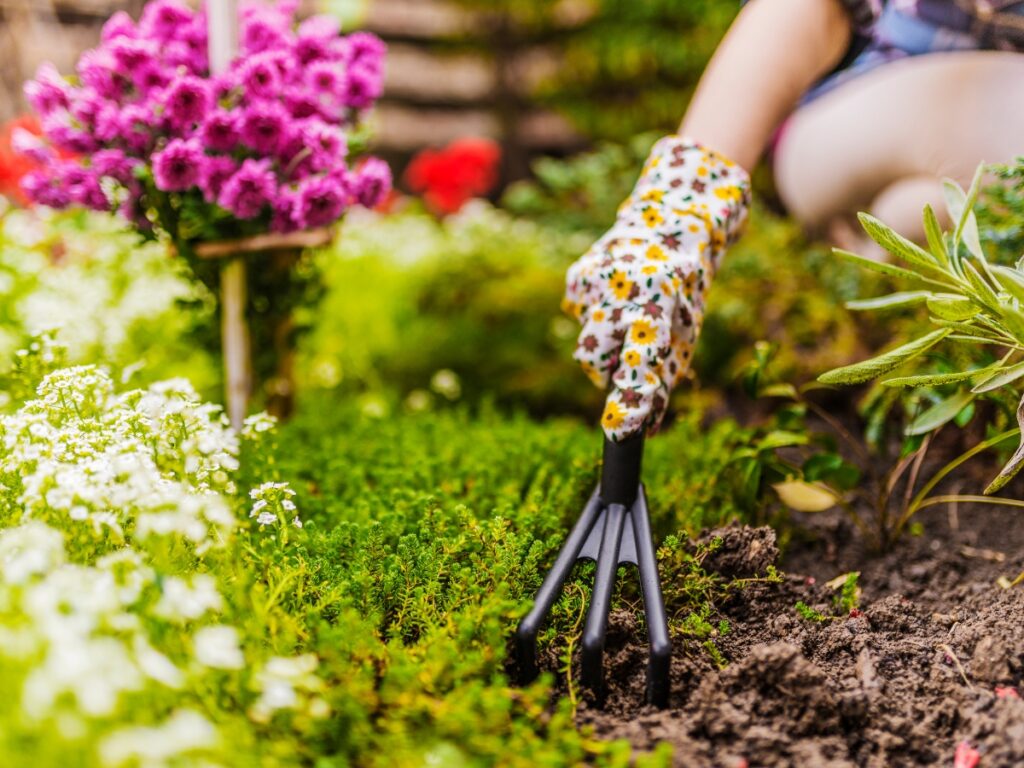
Choosing the right plants can make a major difference in how a compact outdoor space looks and functions over time. In smaller yards, every plant has a noticeable visual impact, so thoughtful selection is essential.
The best small backyard ideas balance appearance, maintenance needs, and long-term growth to create a space that feels inviting without becoming overcrowded.
A common mistake in compact landscaping is choosing plants based only on appearance without considering mature size, climate compatibility, or upkeep requirements.
Fast-growing shrubs or oversized trees may look manageable at first, but can quickly overwhelm limited space. Instead, homeowners should focus on plants that fit the scale of the yard and support a cleaner, more intentional design.
Climate-appropriate plants are often the easiest to maintain because they naturally adapt to local temperatures, rainfall, and soil conditions.
They typically require less watering, fewer treatments, and less frequent replacement, making them a practical choice for homeowners who want attractive landscaping without constant maintenance.
Why Plant Selection Matters In Small Spaces
In compact yards, plants do more than fill empty areas. They help shape the overall atmosphere of the space. Strategic planting can soften hardscaping, create privacy, guide movement through the yard, and even make the space appear larger.
Many successful small backyard ideas rely on layering plants at different heights to create visual depth. Taller shrubs or ornamental grasses can define borders, while lower-growing plants add texture closer to walkways or seating areas.
Vertical interest also helps draw the eye upward, which can make smaller spaces feel less confined.
Low-maintenance plants are especially valuable in urban gardens or busy households. Hardy varieties that resist pests, tolerate heat, and adapt well to changing weather conditions reduce the amount of ongoing care required throughout the year.
Healthy soil also plays a major role in plant performance. Adding compost or organic matter improves drainage, encourages root growth, and helps plants retain moisture more efficiently. Strong soil conditions often reduce the need for excessive watering or fertilizers later on.
What Are The Best Plants For Small Backyards In Atlanta?
Atlanta’s warm climate allows for a wide variety of plant options, but choosing species suited to local conditions helps create a more sustainable and manageable landscape.
Native plants are often one of the best choices for small backyard ideas because they naturally adapt to Georgia’s climate and soil. They usually require less supplemental watering and tend to support local pollinators and wildlife.
Native flowering plants, compact shrubs, and ornamental grasses can all provide seasonal interest without demanding constant upkeep.
Drought-tolerant plants are another smart option for homeowners looking to reduce maintenance. Certain grasses, succulents, and heat-tolerant perennials perform well during Atlanta’s hotter months while using less water overall.
Seasonal layering can also improve the look of a small yard throughout the year. Combining evergreen shrubs with flowering perennials and annual color accents keeps the space visually interesting across multiple seasons without requiring a complete redesign each year.
When choosing plants, it is important to think about mature size rather than nursery size. Compact varieties often work better in smaller spaces because they maintain proportion and reduce the need for aggressive pruning later.
How Can Maintenance Be Simplified For Urban Garden Spaces?
One of the most effective ways to simplify maintenance is to design the landscape around realistic upkeep expectations. Many homeowners prefer outdoor spaces that look polished without requiring constant attention every weekend.
Automated irrigation systems can help reduce maintenance while improving plant health. Drip irrigation and targeted watering systems deliver moisture directly to the root zone, which minimizes water waste and reduces the likelihood of overwatering.
Mulching is another simple but effective strategy. A good layer of mulch helps retain soil moisture, suppresses weeds, and regulates soil temperature during extreme weather conditions. This cuts down on both watering and routine yard work.
Routine maintenance scheduling also helps prevent larger problems from developing. Short, consistent upkeep sessions are usually easier than dealing with overgrown plants or neglected beds later in the season.
For homeowners exploring practical small backyard ideas, selecting hardy plants from the beginning often makes the biggest difference. Landscapes built around durable, climate-appropriate plants tend to remain healthier, cleaner, and easier to manage over time.
By combining thoughtful plant selection with efficient maintenance strategies, even a compact backyard can become a comfortable and visually balanced outdoor retreat.
Conclusion
A small backyard doesn’t have to feel cramped or limiting. With thoughtful design—like vertical gardens, multi-functional features, layered planting, and strategic hardscaping—even the most compact space can feel open, inviting, and beautifully tailored to your lifestyle.
The key is choosing elements that maximize every inch without overwhelming the eye. For expert guidance in transforming your small outdoor space into a functional retreat, trust Legacy Landscape Design.
Ready to make your compact backyard feel surprisingly spacious? Call 770-427-2026 or fill out our contact form today for a consultation. Let our team help you unlock the full potential of your outdoor living space.