Landscape lighting does more than illuminate your property after dark. It highlights architectural features, improves safety, extends outdoor living spaces, and enhances curb appeal.
But manually adjusting lights every evening can be inconvenient and inconsistent, especially as daylight hours change throughout the year.
Automated lighting solutions for landscape lighting systems make outdoor illumination smarter, more efficient, and easier to manage.
With features like timers, photocells, motion sensors, and app-based controls, homeowners can ensure their lighting operates exactly when and how it should. These systems can also help reduce energy waste while maintaining a well-lit, welcoming environment.
By combining convenience with functionality, automated landscape lighting allows you to enjoy a beautifully illuminated property with less effort and greater control.
Automated Lighting Features That Enhance Landscape Design
Energy Efficiency, Control Features, And Practical Benefits Of Automated Landscape Lighting
One of the biggest advantages of automated lighting is its ability to deliver reliable outdoor illumination while using energy more efficiently than traditional systems.
Modern landscape lighting technology is designed to provide homeowners and businesses with greater control over energy consumption, helping reduce waste without sacrificing safety, security, or visual appeal.
As outdoor lighting systems continue to evolve, features such as smart controls, LED technology, and automated scheduling are making it easier than ever to create attractive and functional outdoor spaces that operate efficiently year-round.
Energy Efficiency
Energy efficiency is a core feature of modern automated lighting systems. Unlike older landscape lighting setups that often rely on higher-wattage fixtures and manual operation, today’s systems are designed to use energy only when and where it is needed.
LED fixtures play a major role in this efficiency. They consume significantly less electricity than traditional bulbs while providing consistent brightness and longer service life.
Many LED landscape lights can operate for tens of thousands of hours before needing replacement, reducing both energy costs and maintenance requirements.
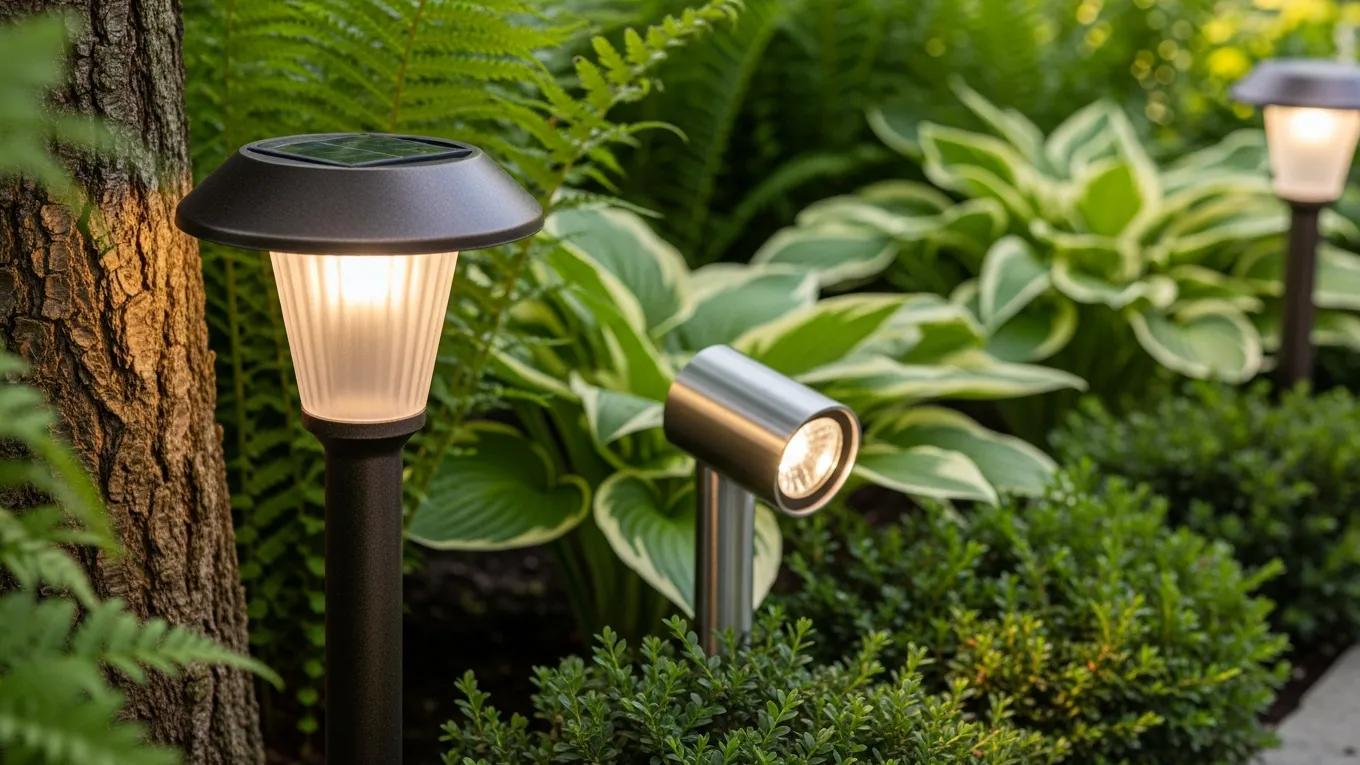
Solar-powered options offer another energy-conscious solution. By capturing sunlight during the day and storing it for nighttime use, solar fixtures can provide illumination without increasing electricity consumption.
These systems are especially useful in areas where running electrical wiring may be difficult or expensive.
Additional features such as motion sensors, daylight sensors, and programmable timers further improve efficiency. Rather than operating continuously throughout the night, lights can activate only when movement is detected or when lighting conditions require it.
This targeted approach reduces unnecessary energy use while maintaining functionality. Research into intelligent outdoor lighting systems continues to support the development of advanced control technologies that optimize energy usage while improving overall performance.
Control Features
Beyond energy savings, the flexibility of automated lighting is one of its most appealing characteristics. Modern systems provide a level of control that traditional landscape lighting cannot match.
Many automated lighting systems can integrate with smart home platforms, allowing users to manage outdoor lighting from a smartphone, tablet, or central control hub.
Whether adjusting brightness levels, changing schedules, or activating specific lighting zones, these controls provide convenience and customization.
Automated scheduling is particularly useful for maintaining consistent outdoor illumination. Homeowners can program lights to turn on at sunset and off at designated times, eliminating the need for manual adjustments.
Seasonal changes can often be accommodated automatically through smart scheduling features.
Some systems also offer occupancy simulation functions. These features create lighting patterns that mimic normal household activity, helping improve security when residents are away from home.
By making a property appear occupied, automated lighting can serve as an additional deterrent to unwanted visitors. The ability to customize lighting behavior allows users to balance aesthetics, functionality, and energy efficiency based on their specific needs.
Benefits For Residential And Commercial Applications
The advantages of automated lighting extend beyond convenience. These systems provide practical benefits for both residential and commercial properties, making them a valuable investment for a wide range of applications.
For homeowners, safety is often a primary consideration. Illuminated walkways, driveways, stairs, and entry points help reduce the risk of accidents after dark. Consistent lighting also improves visibility around the property, creating a greater sense of security.
Automated lighting can also enhance curb appeal. Carefully placed fixtures highlight landscaping features, architectural details, and outdoor living areas, creating a welcoming environment for family members and guests.
The result is a more polished and visually appealing outdoor space that can be enjoyed long after sunset.
Commercial properties benefit in similar ways. Well-designed lighting improves visibility for customers, employees, and visitors while contributing to a professional appearance.
Restaurants, retail centers, office buildings, and hospitality properties often use automated lighting to create inviting outdoor environments that enhance the customer experience.
Cost savings provide another important benefit. Because automated lighting systems rely heavily on energy-efficient technologies and intelligent controls, they typically reduce electricity consumption and maintenance expenses over time.
A Smarter Approach To Outdoor Lighting
Automated lighting combines energy efficiency, advanced controls, and practical functionality into a single solution.
By leveraging technologies such as LED fixtures, smart scheduling, motion detection, and remote management, these systems provide greater control over outdoor environments while reducing operating costs.
Whether used for residential landscaping or commercial properties, automated lighting offers a reliable way to improve safety, enhance aesthetics, and support long-term sustainability goals.
What Are Automated Landscape Lighting Solutions?
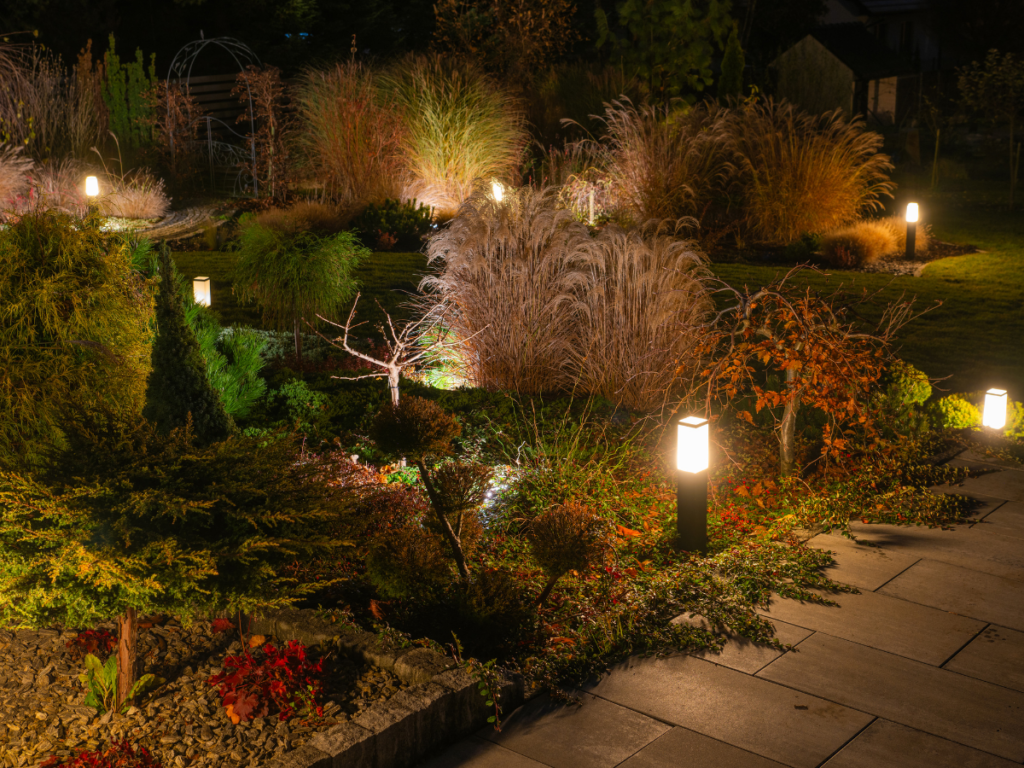
Automated lighting has transformed the way homeowners and businesses illuminate outdoor spaces.
Rather than relying on manual switches or fixed schedules, these systems use smart controls, wireless technology, and energy-efficient fixtures to provide lighting exactly when and where it is needed. The result is a more convenient, attractive, and efficient approach to outdoor illumination.
Whether the goal is improving curb appeal, increasing security, or reducing energy consumption, automated lighting systems offer a flexible solution that can be tailored to a property’s specific needs.
As smart home technology becomes more common, these systems continue to gain popularity for both residential and commercial applications.
How Do Smart Outdoor Lighting Systems Enhance Garden Aesthetics And Security?
One of the primary benefits of automated lighting is its ability to improve the appearance of outdoor spaces after dark. Strategic lighting placement can highlight landscaping features, architectural details, water elements, and outdoor living areas that might otherwise go unnoticed at night.
Uplighting is often used to showcase trees, stonework, and decorative plantings, while pathway lighting improves visibility and creates a welcoming atmosphere. Layering different types of lighting allows homeowners to create depth and visual interest throughout the landscape.
In addition to aesthetics, automated lighting plays an important role in security. Well-lit entryways, walkways, and perimeter areas reduce dark spots around the property and improve visibility after sunset.
Motion-activated fixtures provide an added layer of protection by automatically illuminating areas when movement is detected. This feature can discourage unwanted activity while also helping residents and guests navigate outdoor spaces safely.
By combining beauty and functionality, automated lighting enhances both the appearance and usability of a property.
What Energy Efficiency Advantages Do LED Landscape Lighting Controls Provide?
Energy efficiency is one of the most compelling reasons homeowners choose automated lighting systems. Modern LED fixtures consume significantly less electricity than traditional incandescent or halogen bulbs while delivering excellent brightness and performance.
Beyond lower energy consumption, LED lights offer exceptionally long service lives. Many fixtures can operate for years before requiring replacement, reducing maintenance demands and ongoing costs.
Smart controls further improve efficiency by allowing lights to operate only when needed. Timers, daylight sensors, and programmable schedules prevent unnecessary operation during daylight hours or when outdoor spaces are not in use.
Some systems also allow users to adjust brightness levels, reducing energy use while maintaining adequate illumination. Together, LED technology and intelligent controls create a lighting system that supports both sustainability and long-term cost savings.
Which Technologies Power Wireless Landscape Lighting And Automated Garden Lights?
Several technologies work together to make automated lighting systems effective and user-friendly. LED lighting remains the foundation of most modern systems due to its efficiency, durability, and versatility.
Solar-powered fixtures may also be incorporated in certain applications where sustainability or installation flexibility is a priority.
Wireless connectivity is another key component. Rather than requiring extensive wiring or complicated infrastructure, many systems communicate through wireless networks that allow homeowners to control lighting remotely using smartphones, tablets, or smart home hubs.
Sensors add another level of functionality. Motion detection, daylight sensing, and occupancy-based controls enable lighting systems to respond automatically to environmental conditions and activity around the property. These technologies help improve convenience while minimizing wasted energy.
Research has highlighted the role of wireless technology in reducing installation costs and making advanced lighting controls more accessible. By eliminating the need for extensive rewiring, wireless systems simplify both new installations and retrofit projects.
How Does LED Technology Integrate With Smart Lighting Controls?
The combination of LED fixtures and smart controls provides exceptional flexibility. Users can create custom schedules, adjust brightness levels, and in some cases even modify color temperatures to match different activities or seasons.
Remote access allows lighting adjustments from virtually anywhere, making it easy to manage outdoor illumination whether at home or away. This integration enables homeowners to tailor lighting performance to their preferences while maintaining efficient operation.
What Role Do Wireless And Motion Sensor Systems Play In Outdoor Lighting Automation?
Wireless and motion sensor technologies are central to the effectiveness of automated lighting. Motion sensors provide responsive illumination when activity is detected, helping improve both security and convenience.
Wireless controls make system management simple, allowing users to update settings without physically accessing fixtures or control panels.
Together, these technologies create a smarter outdoor lighting experience. By combining automation, energy efficiency, and advanced controls, automated lighting systems offer a practical solution for enhancing safety, aesthetics, and overall property functionality.
How Is A Custom Automated Landscape Lighting Design Developed And Visualized?
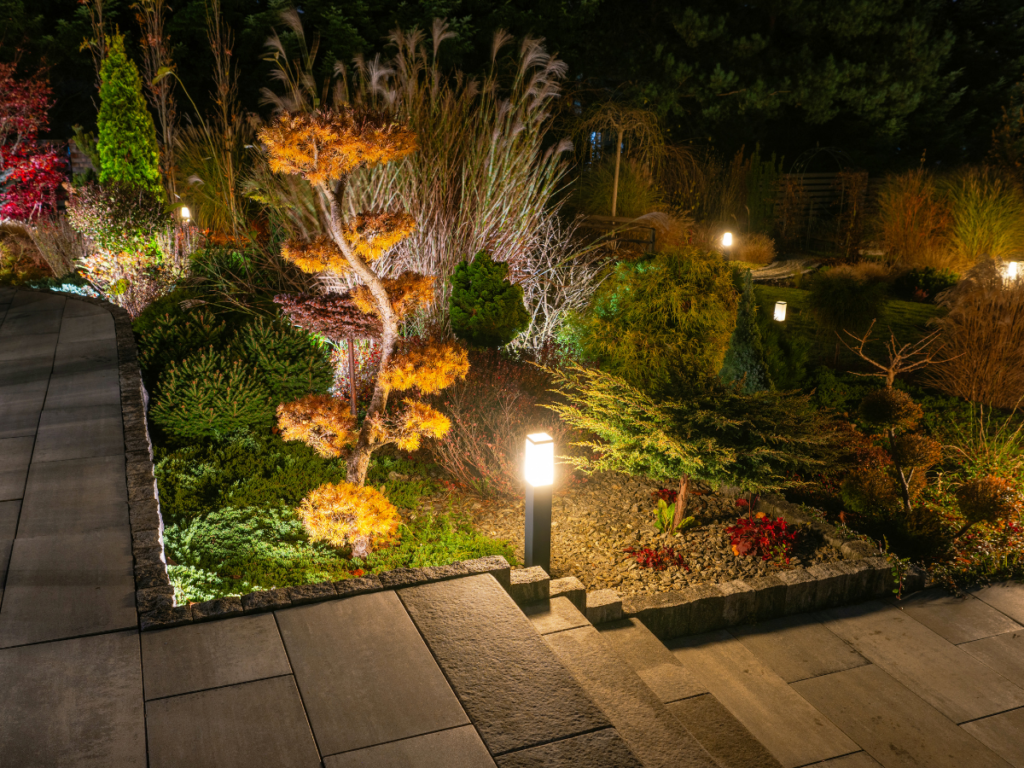
A successful automated lighting system begins long before fixtures are installed. The most effective designs are carefully planned to complement the property’s architecture, landscaping, and functional needs.
Rather than simply placing lights throughout a yard, a custom design approach focuses on creating a balanced lighting experience that enhances beauty, improves usability, and supports long-term performance.
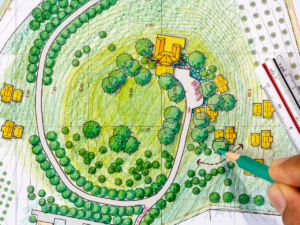
Modern design tools have made this process more precise than ever. Through consultations, digital modeling, and advanced visualization technology, homeowners can see how their lighting system will look and function before installation begins.
This level of planning helps ensure the finished result aligns with both aesthetic goals and practical requirements.
What Is The Process For Personalized 3D Landscape Lighting Design?
The development of a custom automated lighting plan typically starts with a detailed consultation. During this stage, designers evaluate the property’s layout, existing landscape features, architectural elements, and the homeowner’s objectives.
Some clients may prioritize security and pathway illumination, while others focus on highlighting gardens, water features, or outdoor entertainment areas.
Once project goals are established, designers begin creating a lighting plan that addresses both functionality and appearance. This often includes determining fixture types, beam angles, lighting zones, and control options.
One of the most valuable tools in modern landscape lighting design is 3D visualization. Using specialized software, designers can create digital representations of the property that show how various lighting effects will appear after installation.
Homeowners can preview illuminated pathways, accent lighting on trees, architectural highlights, and outdoor living spaces before committing to a final design.
This visualization process helps eliminate uncertainty and allows adjustments to be made early. If a particular area appears too bright, too subtle, or improperly positioned, changes can be made within the design model rather than after installation.
Advances in technology continue to improve this process. Emerging tools that incorporate Internet of Things (IoT) connectivity and artificial intelligence are helping designers optimize fixture placement, automate lighting scenarios, and create more efficient outdoor lighting plans.
How Does Custom Design Improve Long-Term Outdoor Lighting Solutions?
A custom design approach offers benefits that extend well beyond the initial installation. Because the lighting plan is tailored specifically to the property, the final system tends to perform more effectively and deliver greater long-term satisfaction.
One major advantage is visual balance. Generic lighting layouts often result in uneven illumination, creating areas that feel overly bright while leaving other sections underlit.
Custom planning helps distribute light strategically, producing a cohesive appearance that enhances the property’s natural features without overwhelming them.
Custom automated lighting designs also support future flexibility. As landscapes mature or outdoor spaces evolve, lighting zones and control systems can often be adjusted to accommodate changing needs.
This adaptability helps extend the value of the original investment while keeping the property looking its best. Functionality is another important consideration.
A thoughtfully designed system accounts for practical needs such as pathway visibility, entryway illumination, outdoor gathering areas, and security concerns.
By addressing these factors during the planning stage, homeowners can avoid common issues that may arise with less customized solutions.
Durability and efficiency are also improved through careful design. Fixture placement, wiring routes, and control configurations can all be optimized to reduce maintenance requirements and improve system reliability.
Combined with modern automated lighting controls, this approach helps ensure consistent performance over time.
Bringing Design And Technology Together
The best automated lighting systems combine artistic design with advanced technology. Through personalized consultations, detailed planning, and realistic 3D visualizations, homeowners can gain a clear understanding of how their outdoor lighting will function before installation begins.
This design-first approach results in more attractive landscapes, better lighting performance, and greater long-term value. By tailoring every element to the property’s unique characteristics, custom automated lighting creates outdoor spaces that are both visually impressive and highly functional.
As lighting technology continues to evolve, custom design remains one of the most important factors in achieving a successful outdoor lighting solution that performs beautifully for years to come.
What Are The Installation And Maintenance Considerations For Automated Landscape Lighting?
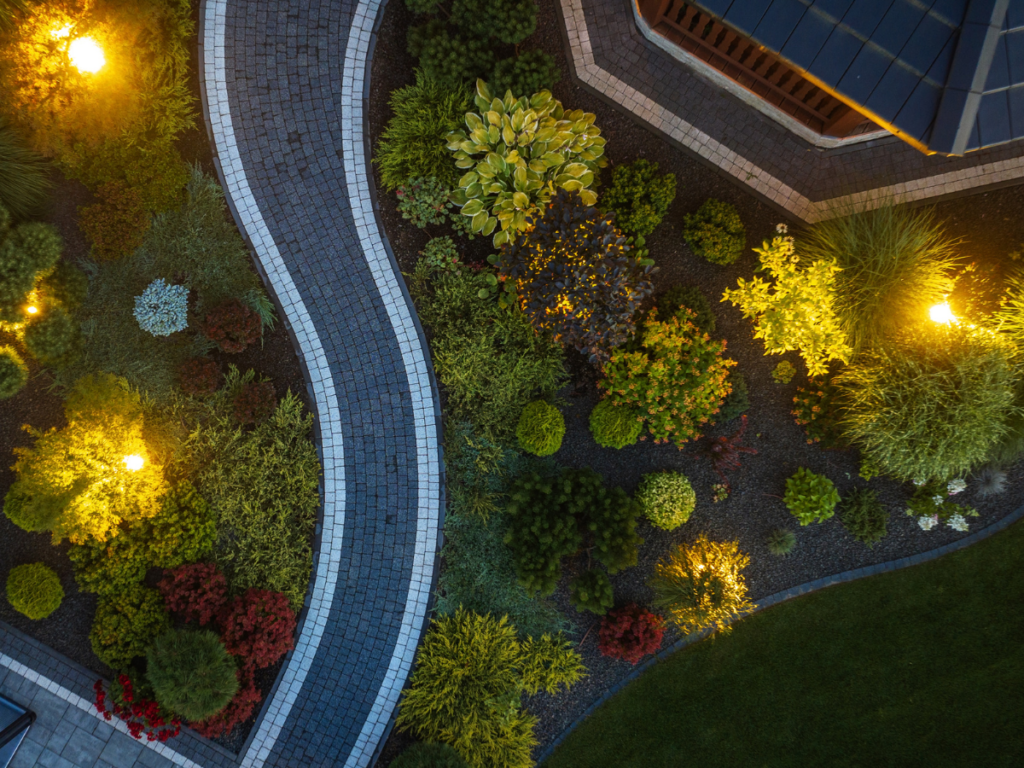
Installing an automated lighting system involves more than selecting attractive fixtures and programming schedules. To achieve reliable performance and long-term value, careful planning, proper installation, and ongoing maintenance are essential.
A well-designed system should not only enhance the appearance of a property but also operate safely and efficiently throughout the year.
Whether the project involves a residential landscape or a commercial property, understanding the installation and maintenance requirements can help ensure that the lighting system performs as intended while minimizing future issues.
How Is Automated Landscape Lighting Installed Efficiently And Safely?
The installation process begins with a thorough assessment of the property and its lighting requirements.
Before any fixtures are placed, installers evaluate the layout of the landscape, identify focal points, and determine where lighting will provide the greatest benefit.
This planning stage helps establish fixture locations, wiring routes, lighting zones, and control system requirements. Selecting the appropriate fixtures is equally important. Different areas may require different lighting techniques.
Pathway lights improve visibility along walkways, while accent lights highlight landscaping features, architectural elements, or outdoor gathering spaces. Choosing the right fixture for each application contributes to both functionality and visual appeal.
Safety remains a priority throughout the installation process. Professional installers must follow local electrical codes and regulations while ensuring that wiring, transformers, and connections are protected from weather exposure and environmental conditions.
Proper voltage management and secure connections help reduce the risk of electrical problems while supporting consistent system performance.
Automated lighting systems often include smart controllers, wireless communication devices, motion sensors, and scheduling features.
Integrating these technologies correctly during installation ensures that the system functions smoothly and provides the convenience homeowners expect from a modern lighting solution.
Careful planning and professional installation also help avoid common issues such as uneven lighting, excessive glare, poor coverage, or unnecessary energy consumption.
What Maintenance Practices Ensure Longevity And Performance Of Smart Outdoor Lights?
While automated lighting systems are designed for durability, routine maintenance plays an important role in preserving their appearance and functionality. Regular inspections allow homeowners to identify potential problems before they affect overall system performance.
One of the simplest maintenance tasks is cleaning fixtures. Dirt, debris, pollen, and landscaping materials can accumulate on lenses and housings over time, reducing light output and affecting the intended visual effect.
Periodic cleaning helps maintain brightness and ensures that lighting remains consistent throughout the property.
Fixture positioning should also be checked regularly. Landscaping changes can alter the effectiveness of lighting over time. Growing shrubs, tree branches, or newly installed features may block or redirect light, requiring adjustments to restore the original design intent.
Although LED fixtures have long lifespans, occasional component replacement may still be necessary. Drivers, sensors, and control devices should be inspected periodically to verify that they are functioning properly. Addressing minor issues early can help prevent larger system failures later.
Wiring and connections deserve attention as well. Outdoor environments expose lighting systems to moisture, temperature fluctuations, and physical wear. Inspecting cables, connectors, and transformers helps ensure that the system continues operating safely and efficiently.
Adapting Lighting Systems Throughout The Year
Seasonal maintenance can further improve the performance of automated lighting systems. As daylight hours change throughout the year, lighting schedules may need adjustment to maintain optimal operation.
Many smart systems simplify this process through automated scheduling features, but periodic review can help ensure settings remain aligned with seasonal conditions.
Landscape growth is another factor that may require occasional updates. Trees, shrubs, and other plantings often mature significantly over time, changing how light interacts with the environment.
Adjusting fixture angles or brightness settings can help preserve the desired lighting effects as the landscape evolves.
Protecting Your Investment In Automated Lighting
A high-quality automated lighting system is a long-term investment in safety, aesthetics, and convenience. Proper installation establishes a strong foundation, while routine maintenance helps protect that investment for years to come.
By combining thoughtful planning, professional installation practices, and regular upkeep, property owners can enjoy reliable performance, improved energy efficiency, and beautiful outdoor illumination throughout every season.
Conclusion
Automated landscape lighting solutions can enhance the beauty, safety, and functionality of your outdoor spaces while making everyday operation more convenient.
From programmable schedules and smart controls to energy-efficient fixtures that highlight key landscape features, modern lighting systems allow homeowners to enjoy their properties long after the sun goes down.
Whether you’re upgrading an existing setup or incorporating lighting into a new landscape design, professional planning and installation can help you achieve the best results. For expert outdoor lighting and landscape design services, choose Legacy Landscape Design.
If you’re ready to elevate your outdoor living space with automated landscape lighting, call 770-427-2026 to speak with our team at Legacy Landscape Design or fill out the form on our website to get a free quote.