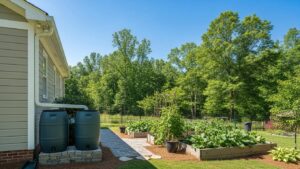
Water is one of the most valuable resources in any landscape, especially during Atlanta’s hot summers and periods of limited rainfall.
Instead of letting rainwater run off into storm drains, homeowners can capture and reuse it to support healthier plants while reducing water consumption. It’s a practical approach that benefits both your landscape and the environment.
Rainwater harvesting for sustainable landscapes in Atlanta provides a reliable source of water for gardens, lawns, and ornamental plants while helping reduce runoff and erosion.
With the right collection and storage system, you can make better use of natural rainfall and lessen the demand on municipal water supplies.
This guide explores how rainwater harvesting works, its key benefits, and practical ways to incorporate it into a more sustainable landscape design.
How Rainwater Harvesting Helps Save Water and Support Your Landscape
How Rainwater Harvesting Benefits Your Landscape and Home
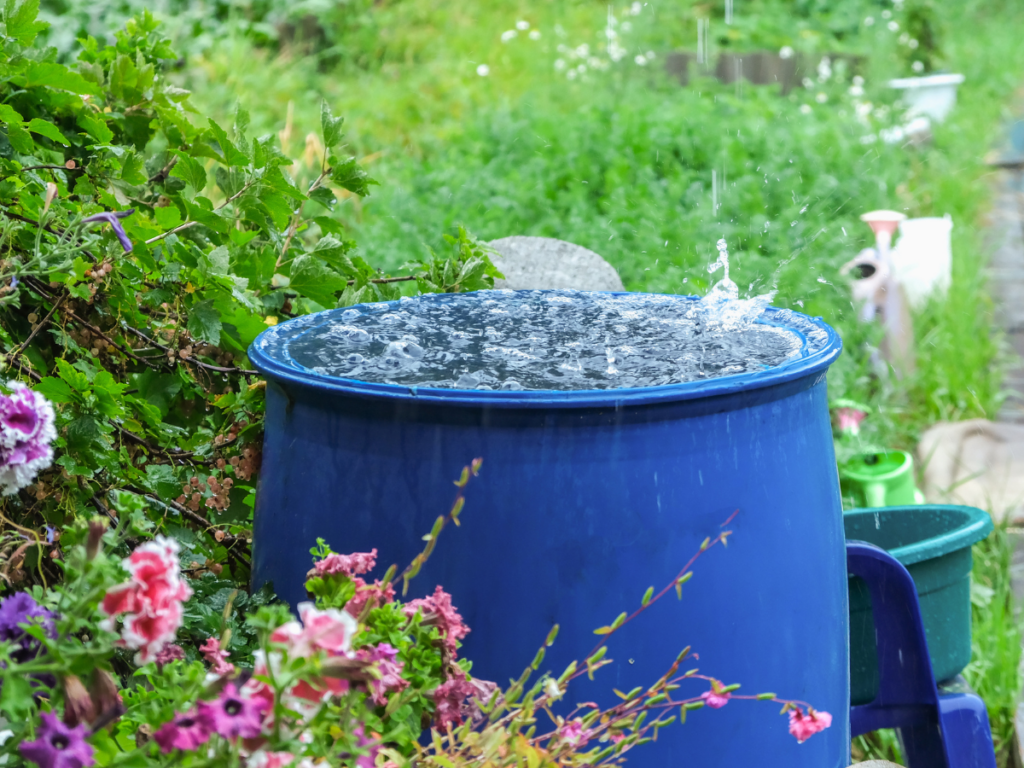
Rainwater harvesting is one of the most practical ways to make a landscape more sustainable while reducing long-term water use.
Instead of allowing rainfall to flow into storm drains, a harvesting system captures and stores it for later use, giving homeowners an additional water source for irrigation and other outdoor needs.
Whether your goal is conserving water, lowering utility costs, or creating a healthier landscape, rainwater harvesting offers advantages that extend well beyond collecting rain in a barrel.
A thoughtfully designed system can improve the efficiency of your landscape while supporting responsible water management throughout the year.
Reduce Dependence on Municipal Water Supplies
One of the biggest benefits of rainwater harvesting is the ability to supplement your property’s water supply with a free natural resource. Every rainfall provides an opportunity to collect water that would otherwise become runoff.
Stored rainwater can be used for many non-potable outdoor applications, including:
- Watering lawns and landscape beds
- Irrigating vegetable and herb gardens
- Supplying drip irrigation systems
- Cleaning patios, driveways, and outdoor equipment
- Refilling decorative water features, where appropriate
Using harvested rainwater for these tasks helps reduce demand on municipal water systems, particularly during the growing season when outdoor water use is at its highest.
Lower Water Bills Without Sacrificing a Healthy Landscape
Outdoor irrigation often accounts for a significant portion of a home’s water consumption. By using stored rainwater instead of treated drinking water for landscape maintenance, homeowners can reduce their monthly water costs while still providing plants with consistent moisture.
The exact savings depend on local rainfall, property size, and water usage habits, but even a modest rainwater harvesting system can offset a meaningful amount of outdoor water demand over time.
Because rainwater is collected directly from the roof before entering municipal infrastructure, it also provides a dependable backup source for watering during dry periods, helping homeowners maintain healthier landscapes without relying solely on the public water supply.
Support Healthier Plants With Naturally Soft Water
An often overlooked advantage of rainwater harvesting is the quality of the water itself. Rainwater is naturally soft and free from many of the minerals, salts, and treatment chemicals commonly found in municipal water.
Many ornamental plants, shrubs, vegetables, and flowers respond well to this softer water, particularly when used as part of a consistent irrigation routine.
While healthy soil and proper watering practices remain the most important factors, harvested rainwater can complement those efforts by delivering moisture in a form that closely resembles natural rainfall.
Help Reduce Stormwater Runoff and Erosion
Beyond the benefits for your property, rainwater harvesting also contributes to better stormwater management. During heavy rainstorms, large volumes of water can quickly leave rooftops and hard surfaces, carrying soil, fertilizers, and other pollutants into nearby storm drains and waterways.
Capturing a portion of that rainfall helps slow runoff before it reaches local drainage systems. This can provide several environmental benefits:
| Benefit | Why It Matters |
|---|---|
| Reduced stormwater runoff | Less pressure on local drainage systems during heavy rain. |
| Lower erosion risk | Slows the movement of water across your property and helps protect landscaped areas. |
| Improved water quality | Reduces the amount of sediment and pollutants entering nearby streams and rivers. |
| Better groundwater support | Allows more water to be used or absorbed naturally instead of leaving the site immediately. |
While a single residential system won’t eliminate runoff, widespread adoption of rainwater harvesting can make a meaningful difference in protecting local watersheds.
A Valuable Addition to Sustainable Landscape Design
Rainwater harvesting is most effective when it’s incorporated into a comprehensive landscape plan rather than treated as a standalone feature.
Collection tanks, underground cisterns, drainage systems, native plantings, and efficient irrigation can all work together to maximize water conservation while maintaining an attractive outdoor space.
For homeowners planning a landscape renovation or new installation, integrating rainwater harvesting from the beginning often creates a cleaner design and allows the system to operate more efficiently over the long term.
When thoughtfully planned, rainwater harvesting delivers benefits that go far beyond conserving water. It supports healthier landscapes, reduces outdoor water consumption, lowers utility costs, and helps manage stormwater in a way that benefits both your property and the surrounding environment.
How Rainwater Harvesting Supports Long-Term Water Conservation
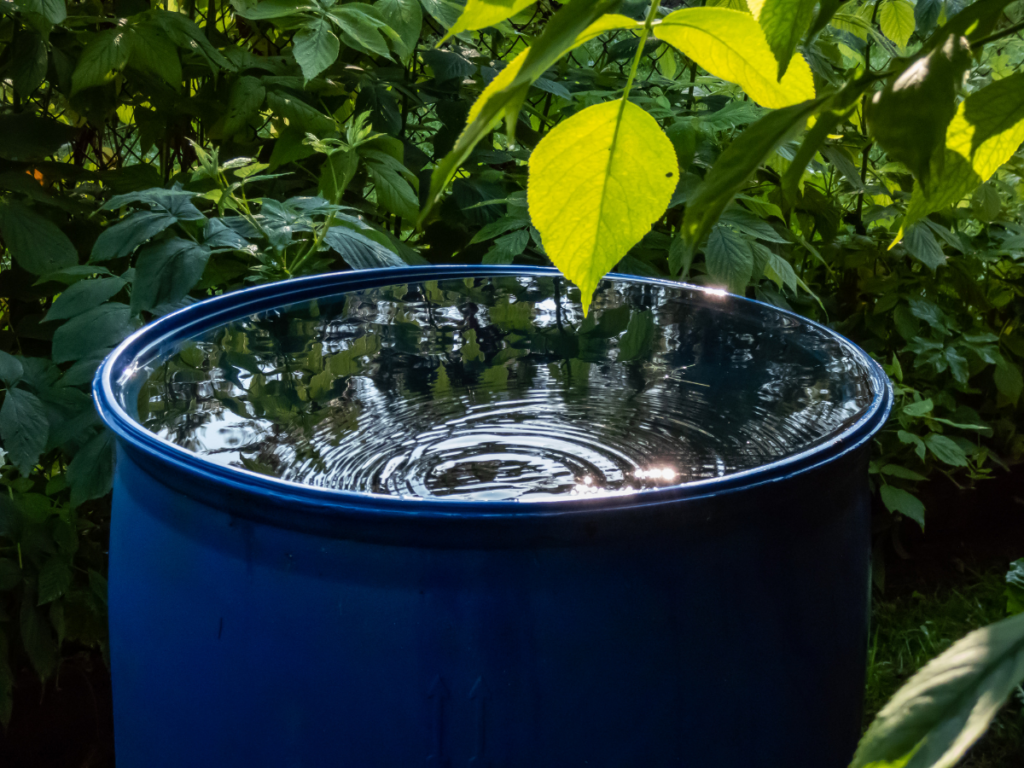
Rainwater harvesting is one of the simplest ways to conserve water without sacrificing the health or appearance of your landscape.
By collecting rainfall from rooftops and storing it for later use, homeowners can reduce their reliance on treated municipal water while making better use of a natural resource that would otherwise become stormwater runoff.
In regions like Atlanta, where periods of heavy rainfall are often followed by dry spells, storing rainwater creates a more resilient landscape. Instead of depending entirely on the public water supply, homeowners have access to stored water that can be used when plants need it most.
As communities continue to focus on sustainable water management, rainwater harvesting has become an increasingly practical solution for residential landscapes, helping conserve potable water while supporting healthier outdoor spaces.
How a Rainwater Harvesting System Works
A typical rainwater harvesting system is designed to capture, filter, store, and distribute rainwater collected from a building’s roof. While systems can range from a simple rain barrel to a large underground cistern, they all follow the same basic process.
| Stage | Purpose |
|---|---|
| Collection | Rain falls onto the roof and flows into gutters and downspouts. |
| Filtration | Screens or first-flush diverters remove leaves, debris, and other contaminants before storage. |
| Storage | Water is collected in a rain barrel, above-ground tank, or underground cistern. |
| Distribution | Stored water is used for irrigation, gardens, or other approved non-potable outdoor applications. |
Capturing rain close to where it falls allows homeowners to put that water to work instead of allowing it to immediately enter storm drains.
Conserving Drinking Water for Higher-Priority Uses
One of the primary goals of rainwater harvesting is to reduce the use of treated drinking water for tasks that do not require potable water. Outdoor irrigation, lawn care, and landscape maintenance often account for a significant share of residential water consumption, particularly during warmer months.
Using harvested rainwater for these purposes helps preserve municipal water supplies for drinking, cooking, sanitation, and other essential household needs.
Even a modest collection system can reduce outdoor water demand throughout the growing season, especially when paired with efficient irrigation practices such as drip systems or targeted watering schedules.
This approach becomes even more valuable during periods of drought or seasonal watering restrictions, when conserving public water resources is a priority.
Building a More Sustainable Landscape
Beyond conserving water, rainwater harvesting contributes to a healthier and more sustainable landscape.
Because rainwater is naturally soft and free from many of the minerals and treatment chemicals found in municipal water, it is well suited for irrigating a wide variety of trees, shrubs, flowers, and garden plants.
A reliable stored water supply also helps maintain more consistent soil moisture during dry weather. Plants experience less stress when watering schedules remain steady, which can support stronger root development and improve their ability to withstand periods of heat.
When combined with sustainable landscaping practices such as native plants, mulch, permeable hardscapes, and efficient irrigation, rainwater harvesting becomes part of a larger strategy for reducing resource consumption while maintaining an attractive outdoor environment.
Supporting Local Ecosystems Through Better Stormwater Management
The sustainability benefits of rainwater harvesting extend beyond individual properties. During heavy rainstorms, water flowing from rooftops and paved surfaces can overwhelm drainage systems, contribute to erosion, and carry pollutants into nearby creeks, rivers, and lakes.
Capturing a portion of that rainfall helps slow runoff before it reaches local waterways. This provides several environmental benefits, including:
- Reducing erosion around landscaped areas and foundations.
- Limiting sediment, fertilizers, and other pollutants from entering streams.
- Decreasing pressure on municipal stormwater infrastructure during heavy rainfall.
- Allowing more water to be used beneficially instead of being lost as runoff.
While one residential system may seem small, widespread adoption of rainwater harvesting can collectively support healthier watersheds and more sustainable communities.
Why Rainwater Harvesting Is a Smart Long-Term Investment
The value of rainwater harvesting extends well beyond immediate water savings. It creates a landscape that is better prepared for changing weather conditions, reduces dependence on municipal water supplies, and supports environmentally responsible property management.
Whether installed as a simple rain barrel or an integrated underground storage system, rainwater harvesting helps homeowners make the most of every rainfall.
By conserving potable water, improving irrigation efficiency, and reducing stormwater runoff, it provides lasting environmental benefits while supporting a healthier, more sustainable landscape for years to come.
Why Rain Barrels Are an Effective Rainwater Harvesting Solution
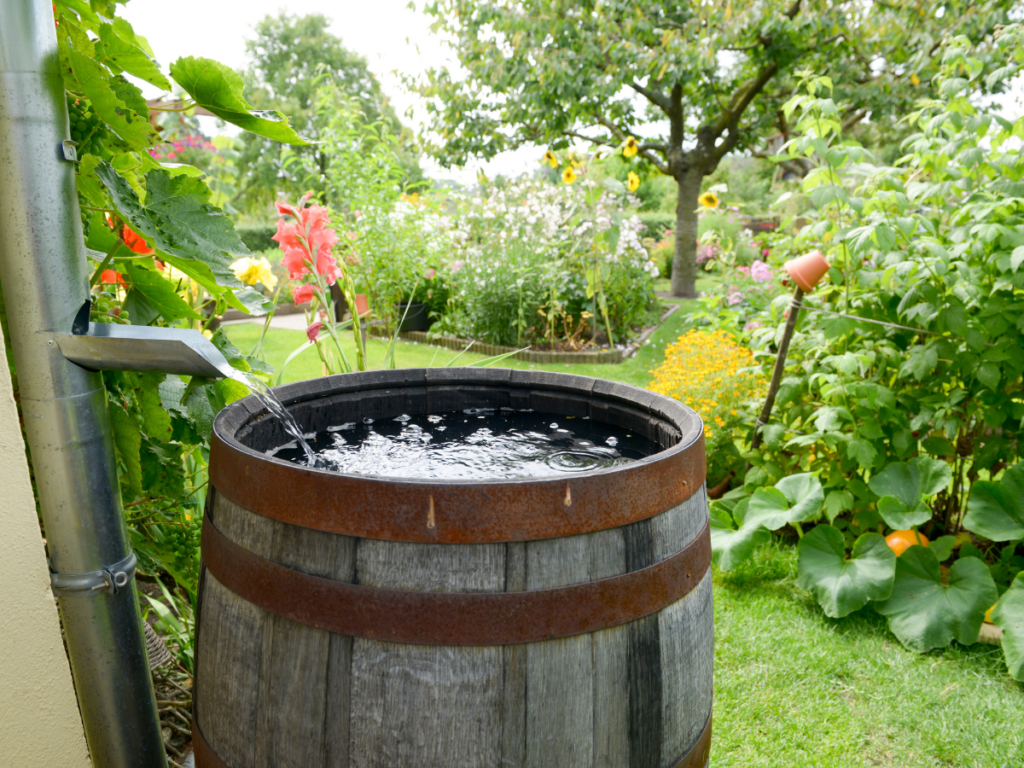
Rain barrels are one of the simplest and most affordable ways to begin rainwater harvesting. Installed beneath a roof downspout, they capture rainwater that would otherwise flow into driveways, storm drains, or nearby waterways.
The stored water can then be used for outdoor tasks such as watering landscape beds, gardens, and container plants.
While rain barrels are often viewed as a small-scale solution, they can make a meaningful contribution to water conservation when used consistently.
They also serve as an accessible first step for homeowners who want to reduce outdoor water use without investing in a larger cistern or underground storage system.
Lower Outdoor Water Costs
One of the biggest advantages of installing a rain barrel is reducing the amount of municipal water used for landscape irrigation. During the growing season, watering lawns, flower beds, shrubs, and vegetable gardens can account for a significant portion of household water consumption.
By collecting rainfall during wet weather, homeowners can store water for use during drier periods, helping offset outdoor water demand.
The amount of savings depends on local rainfall, roof size, and irrigation habits, but even a single rain barrel can provide enough water for routine garden maintenance after many storms.
Rain barrels are especially valuable for:
- Watering flower beds and ornamental plants
- Maintaining vegetable and herb gardens
- Irrigating newly planted trees and shrubs
- Watering container gardens and hanging baskets
- Cleaning gardening tools and outdoor equipment
Using harvested rainwater for these non-potable applications helps preserve treated drinking water for household uses where it’s truly needed.
Reduce Stormwater Runoff Before It Becomes a Problem
A less obvious but equally important benefit of rain barrels is their role in stormwater management. During heavy rainstorms, rooftops quickly channel large amounts of water into gutters and downspouts.
Without a collection system, that water typically flows directly into storm drains, carrying sediment, fertilizers, and other pollutants along the way.
Capturing even a portion of this runoff helps slow the movement of water across your property and reduces the volume entering local drainage systems all at once. This can contribute to:
| Environmental Benefit | Why It Matters |
|---|---|
| Reduced runoff | Less water enters storm drains during heavy rainfall. |
| Lower erosion risk | Slower water flow helps protect soil, planting beds, and landscape features. |
| Improved water quality | Fewer pollutants are washed into nearby streams and rivers. |
| Healthier local waterways | Reduced runoff supports more stable aquatic ecosystems over time. |
While an individual rain barrel won’t eliminate runoff from a property, widespread use across neighborhoods can collectively reduce pressure on municipal stormwater infrastructure.
Research Supports Their Stormwater Management Benefits
The effectiveness of rainwater harvesting systems extends beyond water conservation. Research has shown that rain barrels can also play a measurable role in managing stormwater volume.
For example, a 2025 study using the Storm Water Management Model (SWMM) evaluated the performance of rainwater harvesting systems in cities including Atlanta.
The researchers found strong agreement between modeled and observed results, demonstrating that properly designed rain barrels can effectively reduce stormwater volume during rainfall events.
These findings reinforce what many landscape professionals already recognize: capturing rain where it falls is an effective strategy for improving urban stormwater management.
Although individual systems vary in size and capacity, the study highlights how rainwater harvesting can contribute to broader efforts to reduce runoff in developed areas.
An Easy First Step Toward a More Sustainable Landscape
Rain barrels are often the entry point for homeowners interested in sustainable landscaping because they require relatively little space, are straightforward to install, and can be integrated into both new and existing landscapes.
They also pair well with other water-conscious design features, including:
- Drip irrigation systems
- Native and drought-tolerant plantings
- Rain gardens
- Permeable pavers
- Mulched planting beds that retain soil moisture
Combining these practices creates a landscape that uses water more efficiently while reducing maintenance demands over time.
For homeowners exploring rainwater harvesting, rain barrels offer a practical balance of affordability, environmental responsibility, and everyday convenience.
They help lower outdoor water use, reduce stormwater runoff, and support healthier landscapes, making them one of the most accessible ways to create a more sustainable property.
How Rainwater Harvesting Systems Are Designed for Custom Landscapes
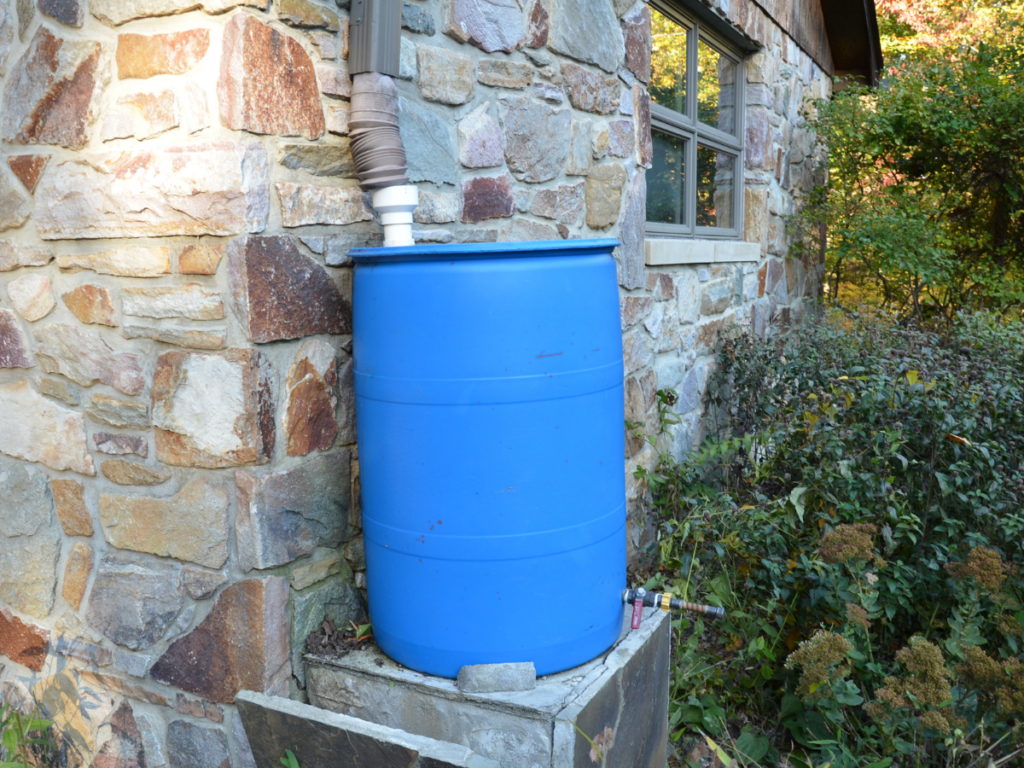
A successful rainwater harvesting system is more than a rain barrel connected to a downspout. The most effective systems are designed around the property’s layout, drainage patterns, landscaping goals, and anticipated water demand.
When these factors are considered together, the system can collect, store, and distribute rainwater efficiently while blending naturally into the landscape.
Whether you’re installing a simple collection system or a large underground cistern, thoughtful planning is essential. A customized design helps maximize water capture, prevents drainage issues, and ensures the system supports your landscape throughout the year.
Evaluating the Property Before Installation
Every property collects and sheds water differently, which is why site evaluation is the first step in any rainwater harvesting project. Rather than choosing equipment first, landscape professionals begin by understanding how rainfall moves across the site.
During the planning phase, they typically evaluate:
- Roof size and shape, which determine potential water collection.
- Gutter and downspout locations.
- Existing grading and drainage patterns.
- Available space for above-ground or underground storage.
- Irrigation zones and landscape water requirements.
- Local building codes and water management regulations.
This assessment helps determine how much water can realistically be collected and how large the storage system should be for the property’s needs.
Designing a System That Matches the Landscape
No two rainwater harvesting systems are exactly alike. A system designed for a small residential garden will have different requirements than one intended to irrigate expansive planting beds or multiple landscape zones.
A typical custom design addresses several important questions:
| Design Consideration | Why It Matters |
|---|---|
| Storage capacity | Determines how much water can be captured and used between rainfall events. |
| Tank location | Affects accessibility, appearance, and installation costs. |
| Water distribution | Ensures stored rainwater reaches the areas where it’s needed most. |
| Overflow management | Safely redirects excess water during heavy storms. |
| Future expansion | Allows additional storage or irrigation features to be added later if needed. |
Well-designed systems balance performance with aesthetics, allowing tanks, pipes, and other components to integrate seamlessly into the surrounding landscape instead of becoming visual distractions.
Essential Components of a Rainwater Harvesting System
Although systems vary in size and complexity, most rainwater harvesting installations include the same core components working together.
| Component | Function |
|---|---|
| Collection surface | Usually the roof, where rainfall is captured before entering the system. |
| Gutters and downspouts | Channel water from the roof to the collection system. |
| Leaf screens or debris filters | Remove leaves, twigs, and other debris before water enters storage. |
| First-flush diverter | Redirects the initial runoff, which may contain accumulated dirt and contaminants from the roof. |
| Storage tank or cistern | Holds collected rainwater until it is needed. |
| Overflow outlet | Safely directs excess water away from the home and landscape when storage reaches capacity. |
| Pump or gravity-fed distribution | Delivers stored water to irrigation systems, hoses, or designated landscape areas. |
Each component plays a specific role in improving water quality, protecting equipment, and ensuring the system operates efficiently over time.
Professional Installation Helps Maximize Performance
Even relatively simple systems benefit from careful installation. Properly connected gutters, secure storage tanks, correctly sized overflow outlets, and well-planned distribution lines all influence how effectively the system performs during both light showers and heavy storms.
Professional installation also helps prevent common issues such as leaking connections, unstable tanks, poor drainage around the foundation, or overflow that damages nearby planting beds.
For larger systems, installers may integrate pumps, automated irrigation controls, or underground cisterns that require specialized knowledge and careful planning.
Planning for Long-Term Reliability
The best rainwater harvesting systems are designed with long-term performance in mind. Easy access for cleaning filters, inspecting storage tanks, and maintaining pumps can significantly extend the life of the system while reducing maintenance costs.
Homeowners should also consider how the system may evolve as the landscape matures. Additional planting beds, expanded irrigation zones, or future hardscape projects can all affect water demand. Designing with flexibility allows the system to adapt without requiring a complete redesign later.
When thoughtfully planned and professionally installed, rainwater harvesting becomes a seamless part of the landscape.
A well-designed system captures rainfall efficiently, supports healthier plants, manages stormwater responsibly, and provides a dependable source of irrigation for years to come. crucial for maximizing the efficiency and effectiveness of rainwater harvesting systems.
How Legacy Landscape Design Creates Customized Rainwater Harvesting Solutions
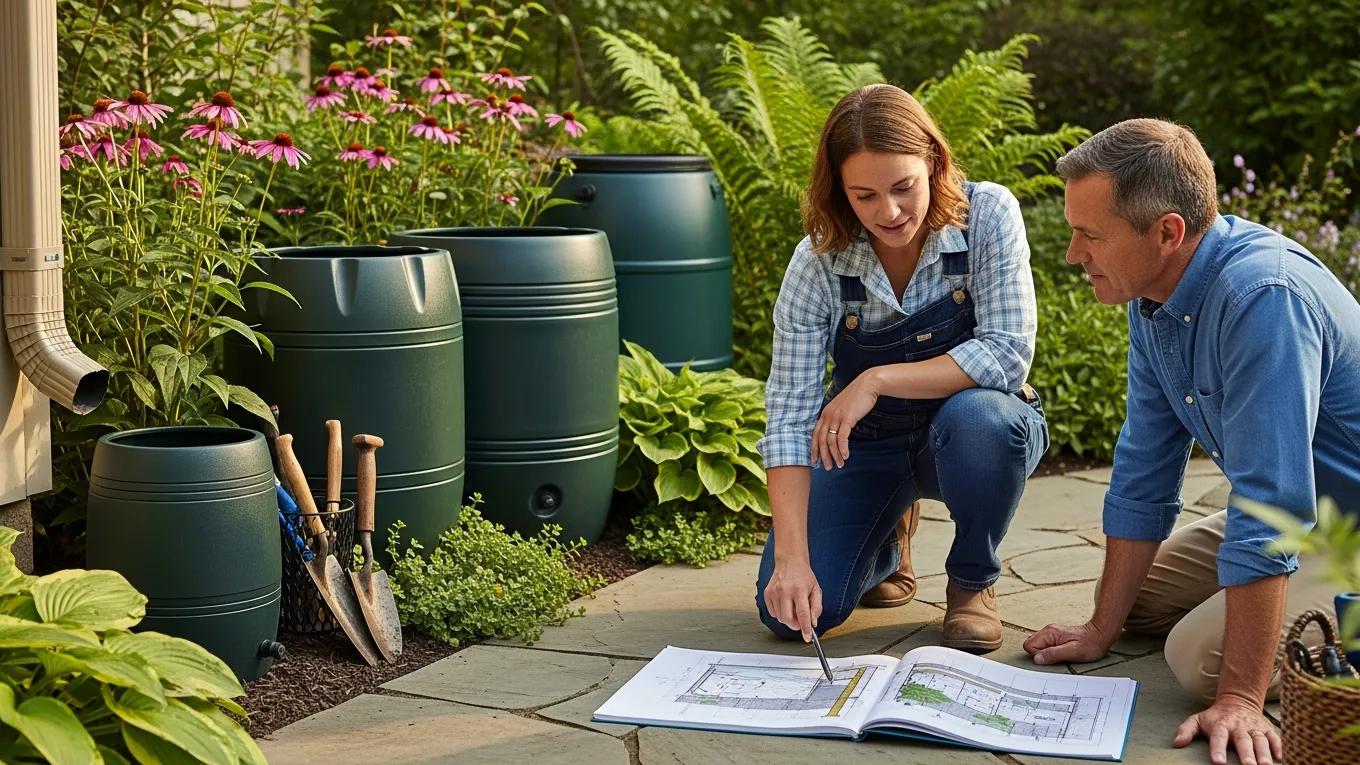
Every property has different drainage patterns, landscape features, and irrigation needs, which is why a one-size-fits-all approach rarely delivers the best results.
Legacy Landscape Design designs rainwater harvesting systems around each client’s property, creating solutions that are both functional and visually integrated with the surrounding landscape.
Rather than simply installing a rain barrel, the team considers how collected rainwater can become part of a long-term landscape strategy. The result is a system that supports water conservation while complementing the property’s design, improving irrigation efficiency, and preserving curb appeal.
Starting With the Homeowner’s Goals
Every project begins with a conversation about how the homeowner plans to use the system. Some clients want to reduce outdoor water consumption, while others are focused on creating a more sustainable landscape or improving stormwater management.
During the consultation, several factors are considered, including:
- The size and layout of the property.
- Existing gardens, planting beds, and lawn areas.
- Current irrigation methods.
- Available space for rain barrels or larger storage tanks.
- Long-term landscaping plans and future improvements.
- Budget and maintenance preferences.
Understanding these priorities allows the design team to recommend a rainwater harvesting solution that fits both the landscape and the homeowner’s expectations.
Designing a System That Complements the Landscape
A well-designed rainwater harvesting system should feel like part of the landscape rather than an afterthought. Careful placement of storage tanks, downspouts, and distribution lines helps preserve the overall appearance of the property while maintaining convenient access for maintenance.
Depending on the project, the design may include:
| Design Feature | Purpose |
|---|---|
| Decorative or concealed rain barrels | Blend water storage into the surrounding landscape. |
| Underground cisterns | Maximize storage capacity while keeping equipment out of sight. |
| Drip irrigation connections | Deliver collected water efficiently to planting beds and gardens. |
| Overflow drainage | Safely direct excess water during heavy rainfall. |
| Integrated planting areas | Use collected rainwater to support nearby landscape features. |
By incorporating these elements into the overall landscape plan, the finished installation remains both practical and visually cohesive.
Built for Atlanta’s Climate and Growing Conditions
Atlanta’s weather presents unique opportunities for rainwater harvesting. Periods of frequent rainfall are often followed by stretches of hot, dry weather, making stored rainwater especially valuable for maintaining healthy landscapes.
Designing a system with local conditions in mind helps ensure it performs efficiently throughout the year. Factors such as seasonal rainfall patterns, soil drainage, property grading, and irrigation demand all influence system size and placement.
By tailoring each installation to these regional conditions, homeowners are better positioned to make the most of natural rainfall while reducing reliance on municipal water during peak watering seasons.
Supporting Homeowners After Installation
A rainwater harvesting system performs best when it’s maintained properly. Ongoing support helps homeowners keep the system operating efficiently and extends the lifespan of its components.
Routine maintenance typically includes:
- Cleaning gutters, filters, and debris screens.
- Inspecting storage tanks for sediment buildup.
- Checking valves, hoses, and overflow outlets.
- Verifying that pumps and irrigation connections operate correctly.
- Preparing the system for seasonal weather changes when necessary.
Simple maintenance performed on a regular schedule helps preserve water quality, prevent clogs, and ensure reliable performance year after year.
Growing Interest in Sustainable Landscape Solutions
Homeowners are becoming increasingly interested in practical ways to conserve water and reduce stormwater runoff. Research examining rain barrel adoption in urban areas has found that participation tends to increase when systems are accessible, and homeowners are familiar with their benefits.
While an earlier study comparing cities such as Atlanta and Chicago found that adoption rates were influenced by proximity to community distribution programs, the broader takeaway remains relevant today: education and thoughtful implementation encourage greater use of sustainable water management practices.
By combining personalized planning with proven landscape design principles, Legacy Landscape Design helps homeowners incorporate rainwater harvesting into outdoor spaces that are both attractive and functional.
Instead of treating rainwater collection as a standalone feature, each installation is designed to work as part of a complete landscape, delivering long-term value through improved irrigation, responsible water use, and thoughtful stormwater management.
What Georgia Homeowners Should Know About Rainwater Harvesting Regulations and Incentives
Before installing a rainwater harvesting system, it’s important to understand the local requirements that may affect its design and installation.
While Georgia generally supports water conservation efforts, regulations and available incentive programs can vary depending on the municipality, utility provider, or homeowners association.
For most residential properties, rainwater harvesting used for outdoor, non-potable purposes, such as landscape irrigation, is widely accepted.
Even so, homeowners should verify local requirements before beginning a project, particularly if the system includes large storage tanks, underground cisterns, pumps, or modifications to existing drainage or plumbing.
Working with an experienced landscape contractor can help ensure the system is designed to comply with applicable building codes, drainage requirements, and property restrictions while integrating seamlessly into the landscape.
Local Requirements to Consider Before Installation
The specific rules governing rainwater harvesting vary by location, but homeowners should review several factors before selecting a system.
| Consideration | Why It Matters |
|---|---|
| Local building and plumbing codes | May affect larger or permanently installed collection systems. |
| Stormwater and drainage requirements | Help ensure overflow is safely managed during heavy rainfall. |
| Homeowners association guidelines | May regulate the appearance or placement of above-ground rain barrels and storage tanks. |
| Utility or municipal requirements | Some communities have recommendations or conservation programs that influence installation. |
Taking these steps early helps avoid unexpected modifications after installation and allows the system to perform as intended.
Financial Incentives May Help Offset Installation Costs
Many communities encourage sustainable landscaping by offering financial incentives for water conservation projects. Depending on where you live, assistance may be available through local governments, utility providers, watershed organizations, or environmental initiatives.
Programs change over time, but homeowners may find opportunities such as:
- Rebates for installing rain barrels or approved rainwater harvesting equipment.
- Financial assistance for landscape improvements that reduce stormwater runoff.
- Water conservation programs sponsored by local utilities.
- Educational resources that explain best practices for sustainable landscape design.
Because these programs are updated periodically, it’s a good idea to check with your local municipality or water utility before purchasing equipment. Confirming eligibility in advance can help ensure your project meets any program requirements.
Rainwater Harvesting Supports Broader Sustainability Goals
Public agencies and local organizations continue to promote rainwater harvesting because it contributes to responsible water management beyond individual properties.
Capturing rainfall helps reduce demand on municipal water systems while limiting the volume of stormwater entering local drainage infrastructure.
When incorporated into a complete landscape plan, rainwater harvesting can also complement other environmentally responsible practices, including:
- Native and drought-tolerant landscaping
- Drip irrigation systems
- Rain gardens
- Permeable pavers and walkways
- Mulching to improve soil moisture retention
Together, these strategies create landscapes that use water more efficiently and are better equipped to handle both heavy rainfall and periods of drought.
Planning Ahead Helps Maximize Long-Term Value
The best time to consider regulations, incentives, and future water needs is during the planning stage. A thoughtfully designed rainwater harvesting system is easier to install, more efficient to maintain, and better prepared to accommodate future landscape improvements.
Whether you’re installing a simple rain barrel or a larger integrated system, understanding local requirements and exploring available conservation programs can help you make informed decisions while maximizing the long-term value of your investment.
By planning carefully from the start, rainwater harvesting can become a lasting part of a more sustainable, resilient, and water-efficient landscape.
How the Custom Design Process Creates a Sustainable Water Management Plan
An effective rainwater harvesting system starts long before installation. It begins with a thoughtful design process that considers how water moves across the property, how the landscape will be used, and how sustainability goals can be incorporated without compromising aesthetics.
Rather than adding rainwater collection as a standalone feature, Legacy Landscape Design integrates it into a comprehensive landscape plan.
This approach ensures that every component, from drainage and irrigation to planting beds and hardscapes, works together to improve water efficiency and create a landscape that performs well throughout the year.
Step 1: Understanding the Property and the Homeowner’s Goals
Every successful project begins with a detailed consultation. This initial planning phase helps identify both practical requirements and the homeowner’s vision for the outdoor space.
During the assessment, designers typically evaluate:
- The property’s topography and drainage patterns.
- Roof size and potential rainwater collection capacity.
- Existing irrigation systems.
- Soil conditions and planting areas.
- Current water management challenges.
- The homeowner’s long-term landscaping goals.
These observations provide the foundation for a customized solution rather than relying on a standard rainwater harvesting design that may not suit the property.
Step 2: Developing an Integrated Landscape Plan
After gathering site information, the design team develops a plan that incorporates rainwater harvesting alongside other sustainable landscape features. The objective is to manage water as efficiently as possible while maintaining a cohesive, attractive outdoor environment.
Depending on the property’s needs, the design may include:
| Design Element | Purpose |
|---|---|
| Rain barrels or underground cisterns | Capture and store rainwater for future irrigation. |
| Drip irrigation systems | Deliver water directly to plant roots with minimal waste. |
| Native or drought-tolerant plantings | Reduce long-term irrigation requirements. |
| Rain gardens | Slow runoff while increasing natural infiltration. |
| Permeable hardscapes | Allow rainfall to soak into the ground instead of flowing into storm drains. |
Designing these features together creates a more resilient landscape than installing each one independently over time.
Step 3: Professional Installation and System Integration
Once the design is finalized, installation focuses on ensuring every component functions as a complete system. Storage tanks, gutters, filters, overflow outlets, and irrigation connections must all work together to collect and distribute water efficiently.
Attention to detail during installation helps prevent issues such as poor drainage, overflow near the home’s foundation, or uneven irrigation.
It also ensures the finished landscape remains visually balanced, with rainwater harvesting components integrated into the overall design instead of appearing as separate additions.
How 3D Landscape Designs Improve Planning and Decision-Making
One of the most valuable tools in the design process is 3D landscape visualization. Rather than asking homeowners to imagine how different features will look, realistic digital renderings provide a clear preview of the completed project before construction begins.
This allows clients to see how rainwater harvesting features fit within the broader landscape while making design decisions with greater confidence.
3D visualizations can help homeowners:
- Understand the placement of rain barrels, cisterns, and drainage features.
- Compare different layouts before construction starts.
- Visualize how planting beds, patios, walkways, and irrigation systems work together.
- Identify design adjustments early, reducing the need for costly changes during installation.
Because clients can see the complete design in context, collaboration becomes more productive and the final result is more likely to align with their expectations.
Modern Design Technology Leads to Better Water Management
Landscape professionals increasingly use advanced digital design tools to improve project planning.
Recent research has highlighted the value of integrating technologies such as Building Information Modeling (BIM) with stormwater modeling to support nature-based landscape solutions, including rainwater harvesting, permeable pavements, and constructed wetlands.
These tools help designers evaluate how water will move across a site before construction begins, improving coordination between landscape design and engineering.
While homeowners may never interact directly with this technology, they benefit from more accurate planning, better-performing drainage systems, and landscapes that are designed to function efficiently over the long term.
By combining detailed site analysis, customized planning, and modern visualization tools, Legacy Landscape Design creates sustainable landscapes where rainwater harvesting is fully integrated into the overall design.
This collaborative approach helps homeowners understand every stage of the project while delivering outdoor spaces that are attractive, functional, and built to manage water responsibly for years to come.
Conclusion
Rainwater harvesting is a practical and sustainable way to conserve water while supporting a healthier, more resilient landscape. By capturing and reusing rainwater for irrigation, homeowners can reduce water waste, lower utility costs, and help their gardens thrive even during drier seasons.
Whether you’re incorporating a rainwater collection system into a new landscape design or upgrading your existing outdoor space, professional planning can ensure the system is both efficient and visually integrated.
For expert landscape design and sustainable outdoor solutions, choose Legacy Landscape Design. If you’re ready to create a more sustainable landscape, call 770-427-2026 to speak with the team at Legacy Landscape Design or fill out the form on our website to get started today.