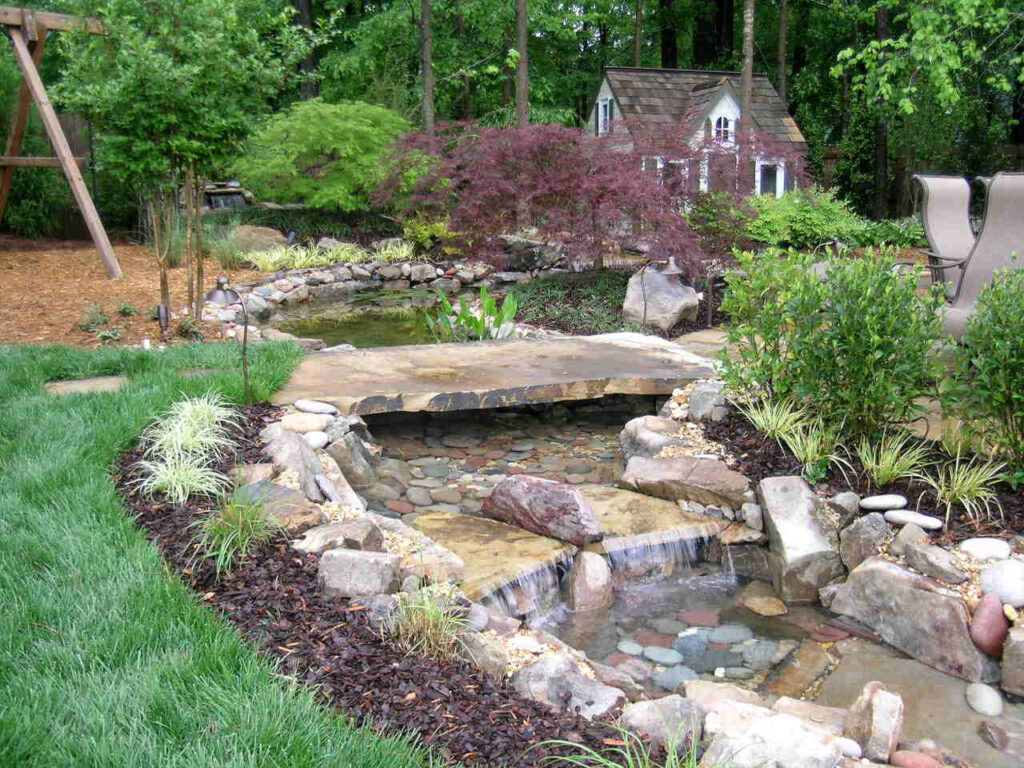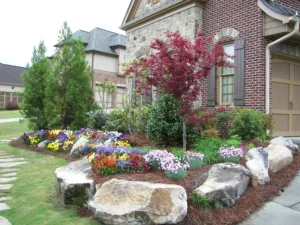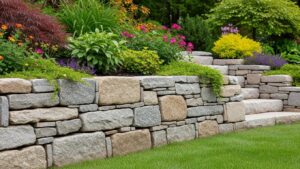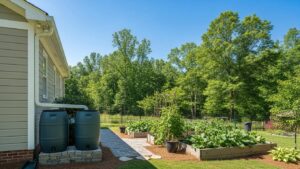
A well-built retaining wall does more than hold back soil. It adds structure, improves drainage, protects your landscape from erosion, and enhances the overall appearance of your property.
For Atlanta homeowners, where sloped yards and heavy rainfall are common, a natural stone retaining wall offers a durable solution that blends strength with timeless curb appeal.
Natural stone retaining wall construction in Atlanta requires careful planning, proper drainage, and quality craftsmanship to ensure long-term stability. From selecting the right stone to preparing a solid foundation, every step plays a role in creating a wall that performs as well as it looks.
This guide explores the benefits, design considerations, and construction process behind natural stone retaining walls, helping you make informed decisions for your landscape project.
Stone Retaining Wall Ideas for Atlanta Landscapes
Why a Natural Stone Retaining Wall Is a Smart Long-Term Investment
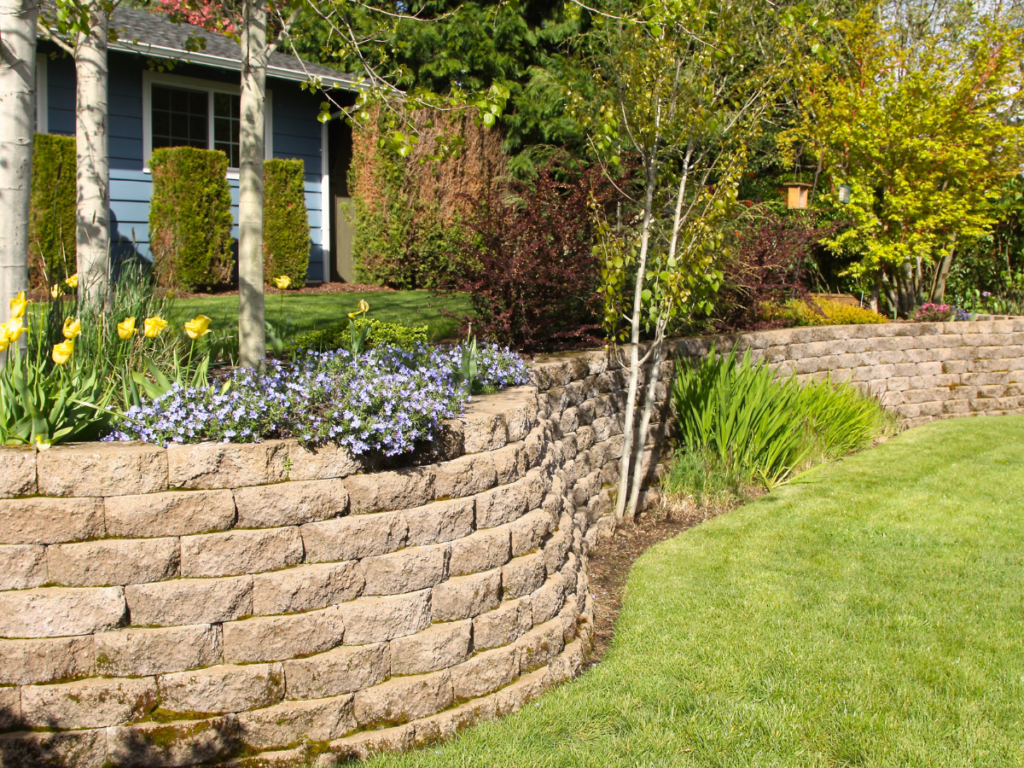
A well-built stone retaining wall does far more than hold back soil. It protects your landscape from erosion, creates usable outdoor space, and adds lasting visual appeal that complements almost any architectural style.
Whether you’re managing a steep slope, building tiered garden beds, or improving drainage around your property, natural stone offers a combination of strength and timeless beauty that few other materials can match.
Unlike manufactured alternatives that may fade or show wear over time, natural stone develops character as it ages while maintaining its structural integrity.
Because every stone is unique in shape, texture, and color, each wall has a custom appearance that blends naturally into the surrounding landscape rather than looking mass-produced.
For homeowners planning a long-term landscaping investment, a professionally constructed stone retaining wall delivers both practical performance and enduring curb appeal.
What Makes Natural Stone an Ideal Material?
Natural stone has been used in landscape construction for centuries because it combines exceptional durability with a classic appearance. When installed correctly on a properly prepared foundation, it can withstand changing weather conditions, soil pressure, and seasonal moisture with minimal maintenance.
Some of the biggest advantages include:
| Benefit | Why It Matters |
|---|---|
| Long-lasting durability | Resists cracking, weathering, and erosion over decades |
| Natural appearance | Blends seamlessly with gardens and surrounding landscapes |
| Low maintenance | Requires little upkeep compared with wood retaining walls |
| Design flexibility | Available in a wide range of colors, textures, and stone types |
| Increased property value | Adds functional and visual appeal to outdoor spaces |
Natural stone is also considered a sustainable landscaping material because it requires minimal processing compared with many manufactured products. Its longevity means replacement is rarely needed, reducing material waste over the life of the installation.
How Stone Retaining Walls Prevent Erosion and Stabilize Slopes
One of the primary reasons homeowners install a stone retaining wall is to control erosion. Sloped properties are especially vulnerable to soil movement during heavy rainfall. Without proper support, runoff can wash away topsoil, damage landscaping, and even threaten nearby structures.
A retaining wall creates a stable barrier that holds soil in place while helping manage changes in elevation. Instead of allowing water to flow freely down a slope, the wall slows runoff and directs it toward appropriate drainage systems.
When properly engineered, a retaining wall also reduces pressure on the surrounding landscape by:
- Preventing soil from shifting downhill.
- Minimizing erosion caused by heavy rainfall.
- Stabilizing steep or uneven terrain.
- Protecting patios, driveways, and foundations from soil movement.
- Creating level planting areas on sloped properties.
This combination of structural support and water management helps preserve both the appearance and stability of your landscape over time.
Why Proper Drainage Is Just as Important as the Wall Itself
Even the strongest retaining wall can fail if water isn’t managed correctly. As rainwater accumulates behind the wall, hydrostatic pressure builds against the structure. Without adequate drainage, that pressure can eventually cause leaning, bulging, or structural failure.
Professional installers address this by incorporating drainage features during construction, which may include:
- Crushed stone backfill to promote water movement.
- Perforated drain pipes behind the wall.
- Filter fabric to prevent soil from clogging drainage systems.
- Proper grading to direct runoff away from the structure.
These hidden components are just as important as the visible stone. A properly drained stone retaining wall will remain more stable, require fewer repairs, and continue performing effectively for decades.
Creating More Functional Outdoor Living Space
Beyond erosion control, retaining walls allow homeowners to transform challenging terrain into usable outdoor areas. Sloped yards that were once difficult to landscape can be converted into attractive, functional spaces for everyday use.
Depending on the property’s layout, a stone retaining wall can be used to create:
- Terraced gardens.
- Raised planting beds.
- Level lawn areas.
- Outdoor seating spaces.
- Patios and entertaining areas.
- Defined landscape borders.
Because natural stone complements a wide variety of landscape styles, these features often appear as though they’ve always been part of the property rather than later additions.
Combining Strength, Beauty, and Long-Term Value
A professionally designed stone retaining wall is one of the most versatile improvements you can make to a landscape. It protects against erosion, improves drainage, maximizes usable space, and enhances curb appeal with a timeless natural finish.
While every project should be tailored to the property’s slope, soil conditions, and drainage requirements, investing in quality materials and expert installation helps ensure your retaining wall continues to perform well for many years.
For homeowners seeking both structural reliability and lasting beauty, natural stone remains one of the most dependable and visually appealing choices available.
How to Choose the Best Material for a Stone Retaining Wall
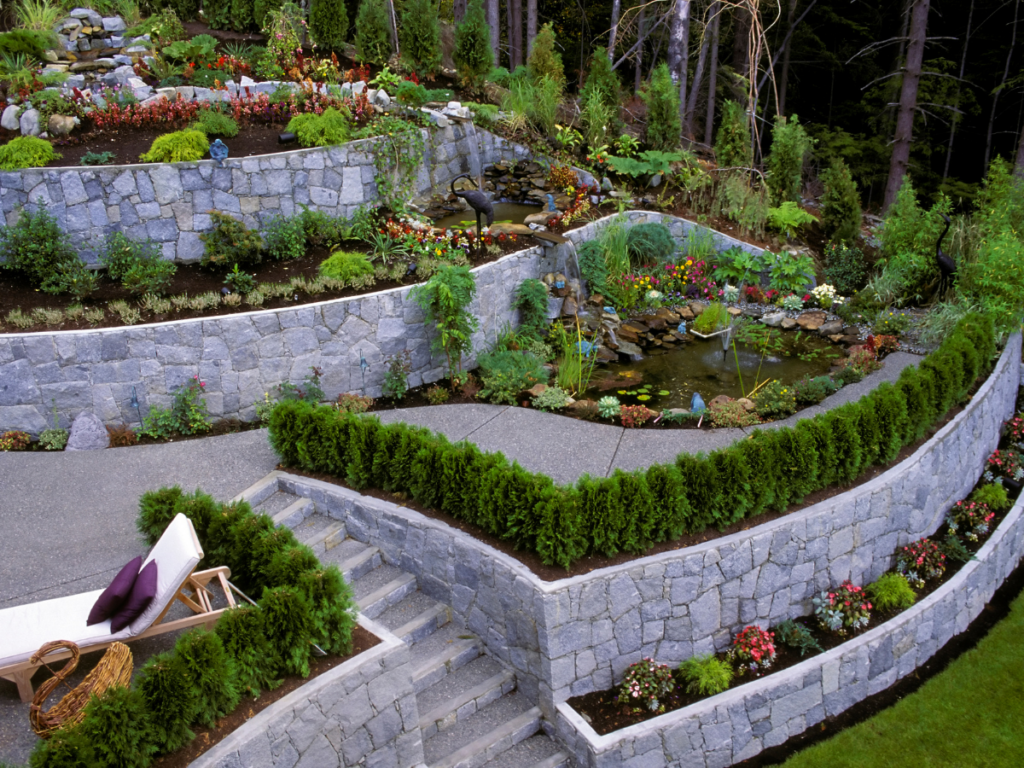
Selecting the right material is one of the most important decisions when building a stone retaining wall. The material you choose affects not only the wall’s appearance but also its strength, longevity, maintenance requirements, and overall cost.
While concrete blocks, timber, and manufactured stone all have their place, natural stone remains a favorite for homeowners who want a retaining wall that combines structural performance with timeless curb appeal.
Its durability, unique character, and ability to blend seamlessly into the surrounding landscape make it a worthwhile long-term investment.
Before choosing a material, consider:
- The height and purpose of the retaining wall.
- Soil conditions and drainage requirements.
- Your home’s architectural style.
- Desired maintenance level.
- Budget and long-term value.
For walls that must withstand significant soil pressure or support steep slopes, professional design and proper material selection are especially important.
Which Natural Stone Is Best for a Retaining Wall?
Not all stone performs the same way. Each variety has distinct characteristics that influence its appearance, ease of installation, and long-term performance. The best choice depends on your landscape design, local climate, and the structural demands of the project.
Here’s a comparison of the most common options:
| Stone Type | Best For | Key Advantages |
|---|---|---|
| Granite | Structural retaining walls, steep slopes | Extremely durable, highly resistant to weathering, low maintenance |
| Limestone | Traditional and formal landscapes | Smooth appearance, easier to shape, classic color palette |
| Sandstone | Decorative garden walls | Warm natural colors, textured surface, blends well with landscaping |
| Fieldstone | Rustic landscapes | Irregular shapes create a natural, organic appearance |
Granite is often considered the premium choice for a stone retaining wall because of its exceptional strength and resistance to cracking, erosion, and freeze-thaw cycles.
Engineering studies on granite drystone retaining walls have also demonstrated its ability to provide excellent long-term stability when properly designed and constructed.
Limestone offers a softer, more refined appearance that works well in formal gardens and residential landscapes. Although generally easier to cut and shape than granite, it may require more attention in environments with constant moisture or acidic soils.
Sandstone is valued primarily for its natural beauty. Its range of warm earth tones makes it an excellent choice when visual appeal is the top priority, though it’s typically better suited for lower retaining walls or decorative applications.
Natural Stone vs. Alternative Retaining Wall Materials
Natural stone isn’t the only option available, so it’s worth understanding how it compares with other commonly used retaining wall materials.
Concrete retaining wall blocks offer a consistent appearance and can often be installed more quickly, making them a practical choice for larger projects or tighter budgets.
Timber retaining walls are usually the least expensive upfront, but they generally have a shorter lifespan because wood is susceptible to moisture, insects, and decay. Over time, maintenance and replacement costs can offset the initial savings.
If your priority is long-term durability, minimal maintenance, and a premium appearance, natural stone continues to outperform most alternatives.
Choosing the Right Stone for Atlanta Landscapes
Local climate and soil conditions should always influence your material selection. In the Atlanta area, retaining walls must withstand heavy seasonal rainfall, clay-rich soils, and frequent changes in moisture levels.
These conditions place significant pressure on retaining walls, making durable materials especially important.
Granite is one of the most common choices because it’s widely available in the Southeast and performs exceptionally well under Georgia’s weather conditions. Its dense composition resists erosion, moisture damage, and temperature fluctuations, making it a reliable option for structural retaining walls.
Limestone and sandstone are also used successfully throughout the region, particularly in projects where aesthetics are a primary consideration. However, proper drainage and professional installation are essential regardless of the stone type to ensure long-term performance.
Beyond Appearance: Think Long-Term Performance
When evaluating materials, don’t focus solely on color or texture. A retaining wall is a structural feature that should continue performing for decades.
Consider these long-term factors before making your decision:
- Durability in your local climate.
- Resistance to erosion and moisture.
- Maintenance requirements.
- Compatibility with your home’s landscape design.
- Installation complexity.
- Overall lifecycle cost rather than just the initial price.
A professionally designed stone retaining wall built with quality natural materials may cost more initially, but it often delivers better value over time through reduced maintenance, greater longevity, and enhanced property value.
By choosing the right stone from the beginning, you’ll create a landscape feature that’s both structurally sound and visually appealing for many years to come.
Why Sustainable Stone Sourcing Matters for a Stone Retaining Wall
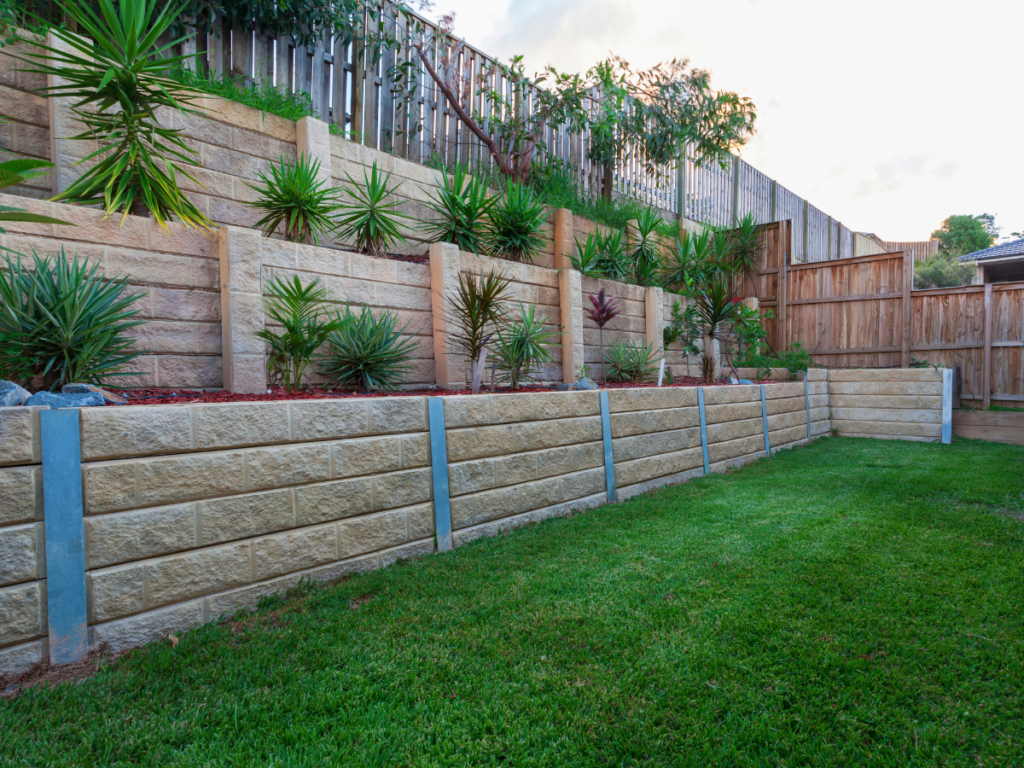
Choosing sustainable materials isn’t just good for the environment. It can also improve the long-term value, durability, and local character of your landscaping project.
When planning a stone retaining wall, responsible sourcing helps reduce environmental impacts while supporting ethical quarrying and regional suppliers.
Natural stone is already one of the most durable landscaping materials available. Because it can last for decades with minimal maintenance, it often requires fewer replacements than manufactured alternatives. Pairing that longevity with responsible sourcing makes it an even more environmentally conscious choice.
Research on retaining wall construction has also shown that material selection, transportation, and construction methods all contribute significantly to a project’s environmental footprint. Making informed choices during the planning stage can meaningfully reduce those impacts.
How Local Stone Reduces Environmental Impact
One of the simplest ways to make a stone retaining wall more sustainable is to source stone from local or regional quarries whenever possible.
Transporting heavy building materials over long distances requires significant fuel consumption and generates additional greenhouse gas emissions. By selecting stone that originates closer to your project site, you reduce transportation-related emissions while often lowering shipping costs and delivery times.
Local stone also tends to blend naturally with the surrounding landscape. Whether you’re building a retaining wall in Atlanta or elsewhere in the Southeast, choosing locally quarried materials often creates a more cohesive, natural-looking design that complements regional architecture and native landscapes.
Additional benefits of locally sourced stone include:
- Reduced transportation emissions.
- Faster material availability.
- Better compatibility with local climate conditions.
- Support for regional businesses and skilled labor.
What Makes Stone Sourcing Sustainable?
Not all quarries operate the same way. Sustainable stone sourcing goes beyond where the material comes from and includes how it’s extracted, processed, and managed throughout its lifecycle.
Responsible quarries typically focus on practices such as:
- Minimizing land disturbance during extraction.
- Managing water use and runoff responsibly.
- Restoring quarry sites after operations are complete.
- Protecting nearby wildlife habitats and vegetation.
- Reducing waste by utilizing more of each stone block.
Many producers also invest in more energy-efficient equipment and recycling programs that reduce the environmental impact of stone production.
When discussing your project with a contractor, it’s worth asking where the stone originates and whether suppliers follow responsible environmental practices.
The Long Lifespan of Natural Stone Supports Sustainability
One reason natural stone remains an environmentally responsible building material is its exceptional longevity.
A professionally constructed stone retaining wall can last for generations with relatively little maintenance. Unlike timber walls that eventually rot or manufactured materials that may deteriorate over time, natural stone retains its structural integrity and appearance for decades.
This long service life reduces the need for replacement materials, additional construction, and ongoing repairs, all of which consume resources and generate waste.
Natural stone also requires very little chemical treatment or maintenance compared with some alternative materials, further reducing its environmental impact over the life of the wall.
Balancing Sustainability, Performance, and Design
Sustainable landscaping doesn’t mean compromising on strength or appearance. In fact, many environmentally responsible choices also improve the quality of the finished project.
When selecting materials for a stone retaining wall, consider the following factors together rather than focusing on cost alone:
| Consideration | Why It Matters |
|---|---|
| Local sourcing | Reduces transportation emissions and supports regional suppliers |
| Material durability | Extends the lifespan of the retaining wall and minimizes replacement |
| Responsible quarrying | Helps protect natural resources and surrounding ecosystems |
| Design compatibility | Creates a landscape that looks natural and ages gracefully |
| Low maintenance | Reduces resource use over the lifetime of the wall |
By considering sustainability alongside structural performance and aesthetics, homeowners can create retaining walls that are both environmentally responsible and built to last.
Building a Landscape That Lasts
Every landscaping project leaves an environmental footprint, but thoughtful planning can significantly reduce it. Choosing locally sourced natural stone, working with experienced contractors, and prioritizing durable materials all contribute to a more sustainable outcome.
A well-designed stone retaining wall not only protects your property from erosion and improves the usability of your landscape, but it can also serve as a long-lasting investment that respects the surrounding environment.
When sustainability is considered from the beginning, you create an outdoor space that’s beautiful, functional, and designed to stand the test of time.
How to Design a Stone Retaining Wall That Is Both Functional and Beautiful
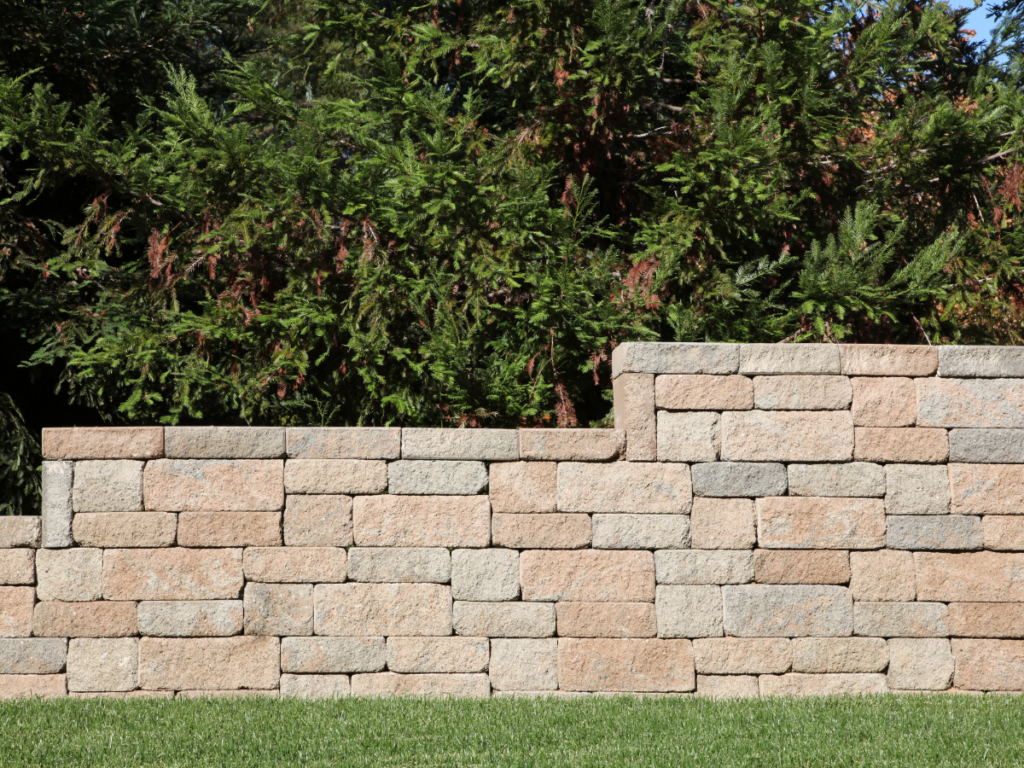
A well-designed stone retaining wall does more than hold back soil. It becomes a permanent architectural feature that shapes your landscape, improves usability, and enhances your home’s curb appeal.
The most successful retaining walls strike a balance between engineering requirements and visual design, ensuring they remain both attractive and structurally sound for decades.
Before construction begins, the wall should be designed around the unique characteristics of your property rather than using a one-size-fits-all approach. Factors such as slope, soil conditions, drainage, surrounding landscaping, and the intended purpose of the wall all influence the final design.
Design the Wall Around Your Landscape
Every landscape presents different challenges. A retaining wall that works well on a gentle slope may not perform safely on a property with significant elevation changes.
Start by identifying the wall’s primary purpose:
- Preventing soil erosion on sloped ground.
- Creating level terraces for gardens or patios.
- Supporting driveways or walkways.
- Improving drainage and water management.
- Defining outdoor spaces and landscape features.
Once the functional requirements are established, the design can be tailored to fit the surrounding environment. Curved retaining walls often create a softer, more natural appearance, while straight lines complement contemporary homes and formal landscapes.
The goal is to make the wall feel integrated into the landscape rather than simply placed on top of it.
Balance Structural Performance With Visual Appeal
The appearance of a stone retaining wall is important, but aesthetics should never come at the expense of structural integrity.
Professional retaining wall design considers several engineering factors, including:
| Design Element | Why It Matters |
|---|---|
| Wall height | Determines structural requirements and potential permitting needs |
| Drainage system | Prevents water pressure from building behind the wall |
| Base preparation | Provides long-term stability and minimizes settling |
| Stone size and weight | Affects both appearance and structural performance |
| Backfill material | Supports proper drainage and reduces soil pressure |
Once these structural elements are addressed, homeowners have far more flexibility in selecting stone styles, colors, and layouts that complement their landscape.
Natural stone offers exceptional design versatility because every piece has unique textures, colors, and shapes. This creates visual depth that manufactured materials often struggle to replicate.
Choose a Style That Complements Your Home
One of the greatest advantages of a stone retaining wall is its ability to suit a wide range of architectural styles.
For traditional homes, irregular fieldstone or limestone creates a timeless, natural appearance that blends seamlessly with mature landscaping.
Modern homes often benefit from clean-cut granite or stacked stone with uniform lines and subtle color variation.
Rustic properties pair beautifully with rough-cut natural stone that emphasizes texture and organic shapes, while formal landscapes may feature precisely laid stone courses that create a more refined look.
Selecting stone that echoes other hardscape elements, such as patios, walkways, or outdoor fireplaces, helps create a cohesive landscape design.
Plan for Drainage From the Beginning
One of the most overlooked aspects of retaining wall design is drainage.
Even the strongest wall can fail if water is allowed to accumulate behind it. As soil becomes saturated, hydrostatic pressure increases dramatically, placing additional stress on the structure.
An effective drainage system typically includes:
- Free-draining gravel behind the wall.
- Perforated drainage pipe to redirect water.
- Proper grading around the landscape.
- Drainage outlets or weep holes where appropriate.
Because drainage is built into the wall itself, it should always be considered during the design phase rather than added later.
Think Beyond Today’s Needs
A retaining wall is a permanent investment, so it’s worth planning for how your landscape may evolve over time.
Consider whether you’ll eventually add:
- Garden beds or raised planting areas.
- Landscape lighting.
- Stone steps or pathways.
- Outdoor kitchens or seating areas.
- Irrigation systems.
Incorporating these possibilities into the initial design is often simpler and more cost-effective than modifying the wall later.
A Well-Designed Wall Adds Lasting Value
A professionally designed stone retaining wall should solve practical challenges while becoming a defining feature of your outdoor space.
By combining careful engineering with thoughtful material selection and landscape integration, you create a structure that improves drainage, controls erosion, and enhances your property’s appearance for decades.
Rather than viewing the retaining wall as purely functional, consider it an investment in both the beauty and long-term usability of your landscape. When designed with the entire property in mind, a stone retaining wall becomes one of the most valuable and visually striking features of any outdoor space.
Site Preparation and Foundation Construction
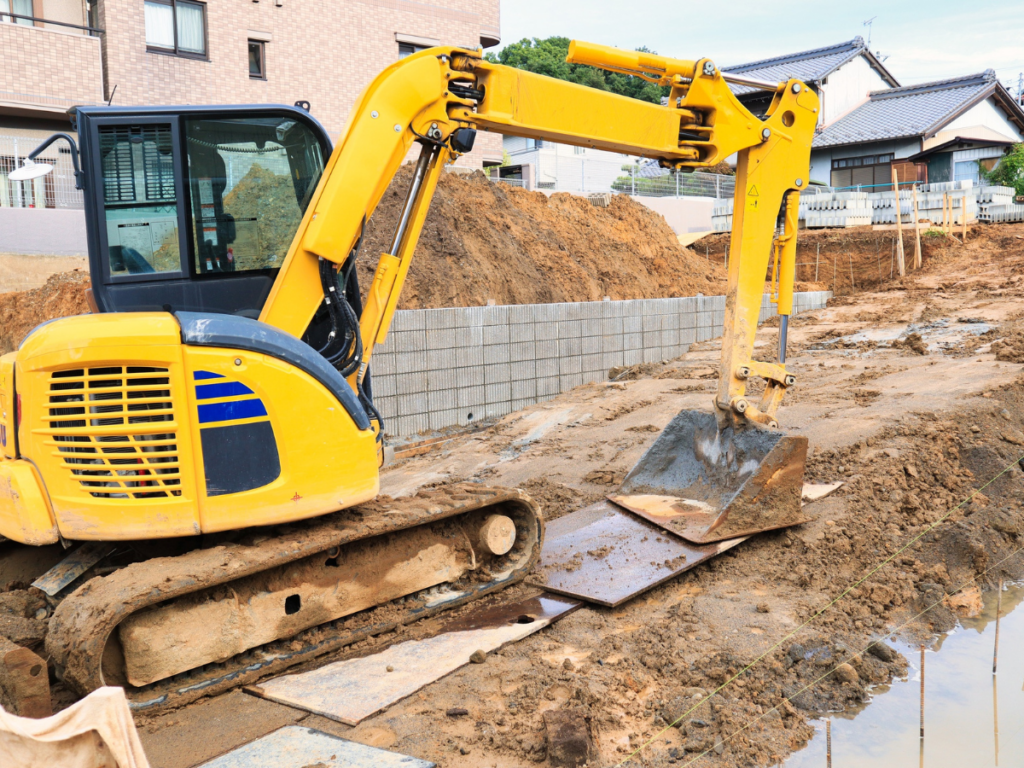
The strength of a stone retaining wall begins long before the first stone is placed. Even the highest-quality materials can fail if the site isn’t properly prepared or the foundation isn’t built to support the weight of the wall and the pressure of the surrounding soil.
Professional installation starts with evaluating the property’s slope, soil conditions, drainage patterns, and any nearby structures that could affect the wall’s performance. These factors determine the wall’s design, excavation depth, and foundation requirements.
Skipping or rushing this stage often leads to common problems such as settling, leaning, cracked joints, poor drainage, or even complete wall failure. Investing time in proper preparation ensures your retaining wall remains safe, attractive, and structurally sound for decades.
Preparing the Site Before Construction Begins
Every successful retaining wall project starts with creating a stable building surface.
The construction area should be cleared of vegetation, roots, organic material, loose soil, and debris. Organic material left beneath the wall eventually decomposes, causing uneven settling that can weaken the structure over time.
After clearing the site, contractors typically assess:
- Soil type and load-bearing capacity.
- Existing drainage patterns.
- Slope steepness.
- Utility locations.
- Property boundaries.
- Local building codes and permit requirements.
If the soil is unstable or poorly compacted, additional excavation or engineered fill may be necessary before construction begins.
Careful grading during this stage also helps direct water away from the future retaining wall, reducing the risk of erosion and drainage problems later.
Building a Strong Foundation for Long-Term Stability
A retaining wall is only as reliable as the foundation beneath it.
The base distributes the wall’s weight evenly while resisting movement caused by soil pressure, heavy rainfall, and seasonal ground changes. Without a properly constructed footing, even a well-built stone retaining wall may shift or settle over time.
Most professionally installed retaining walls begin with an excavated trench that extends below finished grade. The trench is then filled with layers of compacted crushed stone or gravel, creating a stable, free-draining foundation.
Depending on the wall’s height, local soil conditions, and engineering requirements, the foundation may also incorporate:
- Geotextile fabric to separate soil from aggregate.
- Reinforced base materials.
- Concrete footings for certain wall designs.
- Mechanical compaction to minimize future settling.
The exact foundation design should always match the specific demands of the site rather than following a standard depth or width.
Why Drainage Is One of the Most Important Construction Steps
Water is one of the biggest threats to any retaining wall.
As water accumulates behind the wall, it creates hydrostatic pressure that pushes against the structure. Even a heavy natural stone wall can eventually lean, bulge, or fail if this pressure isn’t properly relieved.
An effective drainage system is built into the retaining wall during construction, not added afterward.
Most stone retaining wall projects include several drainage components working together:
| Drainage Feature | Purpose |
|---|---|
| Perforated drain pipe | Carries water away from behind the wall |
| Clean gravel backfill | Allows water to flow freely instead of building pressure |
| Filter fabric | Prevents soil from clogging the drainage system |
| Proper site grading | Directs surface runoff away from the wall |
| Drain outlets or weep holes | Allow trapped water to escape safely |
These features help maintain structural stability while reducing erosion and extending the lifespan of the retaining wall.
Construction Details That Improve Wall Performance
Beyond the foundation and drainage system, several construction practices contribute to a stronger, longer-lasting wall.
Professional installers carefully select and position each stone to maximize stability. Larger stones are often placed at the base, while joints are staggered to improve load distribution and reduce weak points throughout the wall.
For taller retaining walls or projects supporting significant loads, additional reinforcement such as geogrid may be incorporated into the backfill to strengthen the connection between the wall and the surrounding soil.
Throughout construction, contractors also verify that each course remains level and properly aligned, preventing small errors from becoming larger structural issues as the wall rises.
Investing in the Right Foundation Pays Off
While the finished stonework often gets the most attention, the unseen elements beneath and behind the wall determine how well it performs over time.
A properly prepared site, stable foundation, and well-designed drainage system allow a stone retaining wall to withstand changing weather, heavy rainfall, and years of soil pressure with minimal maintenance.
By focusing on these construction fundamentals from the start, homeowners gain a retaining wall that not only enhances their landscape but also delivers reliable structural performance for decades.
What Makes a Stone Retaining Wall Last for Decades?
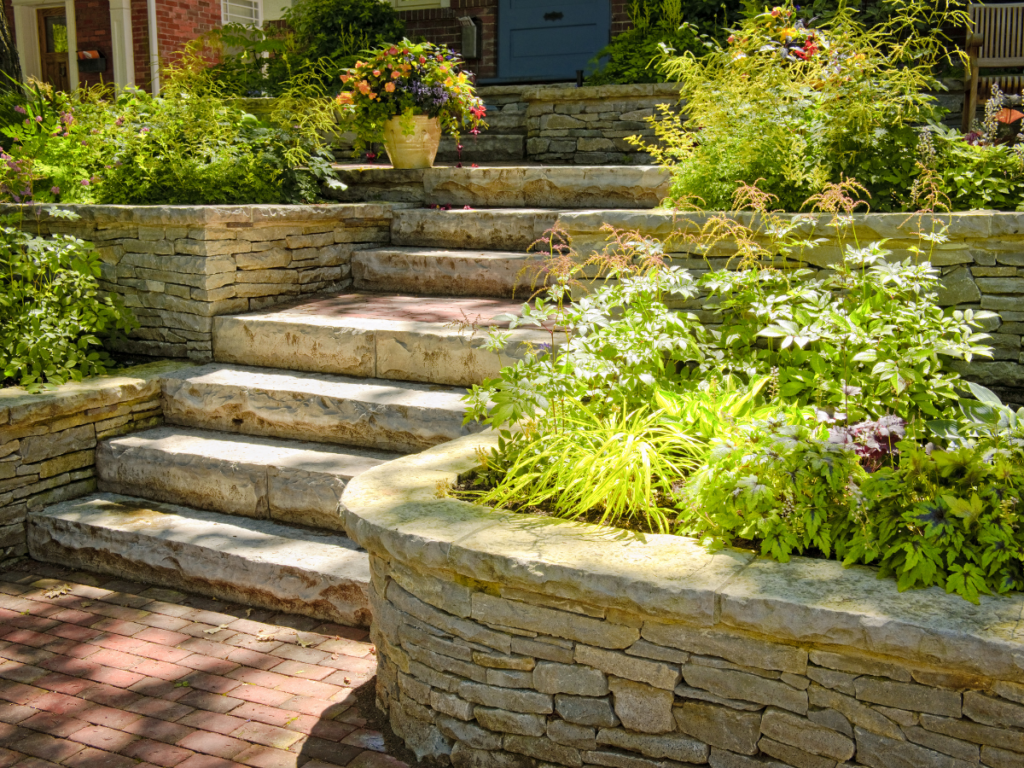
A well-built stone retaining wall can remain structurally sound for 50 years or more, but longevity depends far more on construction quality than on the stone itself. Even premium natural stone cannot compensate for poor drainage, an inadequate foundation, or improper installation.
The most durable retaining walls are designed as complete systems. Every component, from the compacted base and drainage layer to the placement of each stone, works together to resist soil pressure, water infiltration, and seasonal ground movement.
Whether you’re building a small garden wall or a large structural installation, investing in proper construction from the beginning reduces future maintenance costs and helps avoid expensive repairs.
Start With High-Quality Materials
The lifespan of a retaining wall begins with choosing materials that are suited to the local environment.
Dense natural stones such as granite are highly resistant to weathering, moisture, and freeze-thaw cycles, making them excellent choices for structural applications. Limestone and sandstone also perform well when properly selected and installed, particularly in decorative or moderately loaded retaining walls.
Beyond the stone itself, long-term performance also depends on the quality of supporting materials, including:
- Crushed stone for the base.
- Clean gravel for drainage.
- Durable geotextile fabric.
- High-quality drainage pipe.
- Appropriate backfill materials.
Using premium materials throughout the project helps minimize settling, erosion, and structural deterioration over time.
Proper Installation Is More Important Than the Stone
Many retaining wall failures are caused by installation mistakes rather than material defects.
Professional installation focuses on creating a stable structure capable of handling constant pressure from retained soil while allowing water to drain freely.
Critical installation practices include:
| Construction Practice | Why It Matters |
|---|---|
| Proper excavation | Creates a stable foundation and removes weak soil |
| Compacted aggregate base | Prevents settling and distributes weight evenly |
| Effective drainage system | Reduces hydrostatic pressure behind the wall |
| Staggered stone joints | Improves structural strength and stability |
| Correct wall batter | Helps the wall resist soil pressure over time |
For taller retaining walls or properties with significant slopes, engineers may also recommend geogrid reinforcement or additional structural support to increase stability.
Careful attention to these details dramatically improves the lifespan of a stone retaining wall.
Drainage Is the Key to Long-Term Performance
Water is responsible for many retaining wall failures.
As moisture builds behind the wall, hydrostatic pressure increases, placing tremendous force against the structure. Without an effective drainage system, even a well-built retaining wall can eventually lean, bulge, or collapse.
Long-lasting retaining walls incorporate multiple drainage features, including gravel backfill, perforated drain pipes, filter fabric, and proper grading around the site. Together, these components direct water away from the wall before pressure has a chance to develop.
Proper drainage also helps reduce erosion, minimizes frost-related movement in colder climates, and protects the surrounding landscape.
Routine Maintenance Extends the Life of Your Retaining Wall
Although natural stone requires relatively little maintenance, periodic inspections help identify small issues before they become major repairs.
At least once a year, inspect your retaining wall for:
- Cracks or shifting stones.
- Bulging or leaning sections.
- Blocked drainage outlets.
- Soil erosion around the base.
- Water pooling behind or above the wall.
- Vegetation growing between stones or within drainage areas.
Removing invasive roots, clearing debris from drainage outlets, and repairing minor movement early can prevent more costly structural problems later.
After periods of unusually heavy rainfall or severe storms, it’s also a good idea to inspect the wall for signs of excessive water pressure or erosion.
Professional Construction Delivers Better Long-Term Value
While a stone retaining wall represents a significant investment, cutting corners during construction often leads to higher costs in the future.
Professional contractors understand how local soil conditions, drainage requirements, building codes, and engineering principles influence long-term performance. They also have the equipment needed to properly compact the foundation, install drainage systems, and position heavy natural stone safely.
Choosing experienced installers helps ensure your retaining wall performs as intended while protecting your landscape from erosion and slope instability.
Build Once, Enjoy It for Years
A properly constructed stone retaining wall should provide decades of reliable performance with minimal maintenance.
By combining quality natural stone with sound engineering, effective drainage, and regular inspections, homeowners can create a landscape feature that remains both beautiful and structurally dependable for generations.
Rather than focusing only on the appearance of the finished wall, invest in the construction practices that determine how well it performs over time. A strong foundation, careful installation, and ongoing maintenance are what truly allow a stone retaining wall to stand the test of time.
Should You Choose a Dry Stack or Mortared Stone Retaining Wall?
One of the biggest decisions when building a stone retaining wall is whether to use a dry stack or mortared construction method. Both approaches can produce attractive, durable retaining walls, but they’re designed for different applications and perform differently over time.
The right choice depends on several factors, including the wall’s height, the amount of soil it must retain, local climate, drainage requirements, maintenance expectations, and the overall design you’re trying to achieve.
Understanding how each construction method works will help you select a retaining wall that’s both structurally appropriate and visually suited to your landscape.
What Is a Dry Stack Stone Retaining Wall?
A dry stack retaining wall is built by carefully fitting stones together without mortar between the joints.
Instead of relying on cement for strength, the wall gains stability from the weight of the stones, proper placement, a stable foundation, and the natural inward lean, known as batter, incorporated into the design.
One of the biggest advantages of dry stack construction is its ability to accommodate small amounts of ground movement without cracking. Because the stones aren’t rigidly bonded together, the wall can flex slightly as soil expands and contracts with seasonal moisture changes.
Dry stack walls also provide excellent natural drainage. Water can pass through small gaps between the stones, reducing hydrostatic pressure behind the wall and lowering the risk of water-related damage.
Dry stack retaining walls are commonly used for:
- Garden terraces.
- Decorative landscape walls.
- Moderate slopes.
- Rustic and natural landscape designs.
- Projects where drainage is a primary concern.
When properly engineered and installed, dry stack walls can last for decades while requiring relatively little maintenance.
What Is a Mortared Stone Retaining Wall?
A mortared retaining wall uses cement mortar to permanently bond individual stones together into a rigid structure.
Because the stones are locked together, mortared walls typically provide greater structural rigidity and are often selected for projects involving taller retaining walls or locations where significant soil pressure must be resisted.
Mortared construction also creates a more formal, finished appearance that complements traditional architecture and structured landscape designs.
However, because the wall itself doesn’t naturally allow water to escape, proper drainage behind the wall becomes even more critical. Without an effective drainage system, trapped water can create pressure that eventually cracks mortar joints or causes structural failure.
Mortared retaining walls are often preferred for:
- Tall retaining walls.
- Heavy load-bearing applications.
- Formal landscape designs.
- Architectural hardscapes.
- Projects requiring a clean, uniform appearance.
Comparing Dry Stack and Mortared Construction
Each construction method has advantages depending on the project requirements.
| Feature | Dry Stack | Mortared |
|---|---|---|
| Drainage | Excellent natural drainage | Requires engineered drainage behind the wall |
| Flexibility | Adapts well to minor ground movement | More rigid with less flexibility |
| Appearance | Natural, rustic look | Formal, clean-lined appearance |
| Structural strength | Ideal for many residential applications when properly designed | Often preferred for taller or heavily loaded walls |
| Maintenance | Occasional stone adjustments may be needed | Mortar joints may eventually require repair or repointing |
Neither option is universally better. The best choice depends on the site’s engineering requirements, design goals, and long-term maintenance expectations.
Which Type of Stone Retaining Wall Is Best for Your Property?
If your priority is creating a landscape that blends naturally with its surroundings, a dry stack stone retaining wall often provides the most organic appearance. It’s especially well suited for gardens, natural slopes, and landscapes where drainage is an important consideration.
If you’re constructing a tall retaining wall, supporting significant weight, or aiming for a more refined architectural style, a mortared wall may be the better solution. The added rigidity provides increased structural stability when designed and built correctly.
In either case, wall height, soil conditions, local building codes, and drainage requirements should always guide the final decision. Larger retaining walls frequently require engineering calculations regardless of the construction method.
Construction Quality Matters More Than Construction Method
While homeowners often focus on choosing between dry stack and mortared construction, the overall quality of installation has a far greater impact on long-term performance.
A professionally built stone retaining wall, whether dry stacked or mortared, should include proper excavation, a compacted foundation, effective drainage, and careful stone placement.
These elements determine whether the wall remains stable for decades or begins showing signs of movement after only a few years.
By selecting the construction method that best fits your landscape and ensuring it’s installed correctly, you’ll create a retaining wall that delivers lasting structural performance while enhancing the beauty and value of your property.
Why Proper Drainage Is Critical for a Stone Retaining Wall
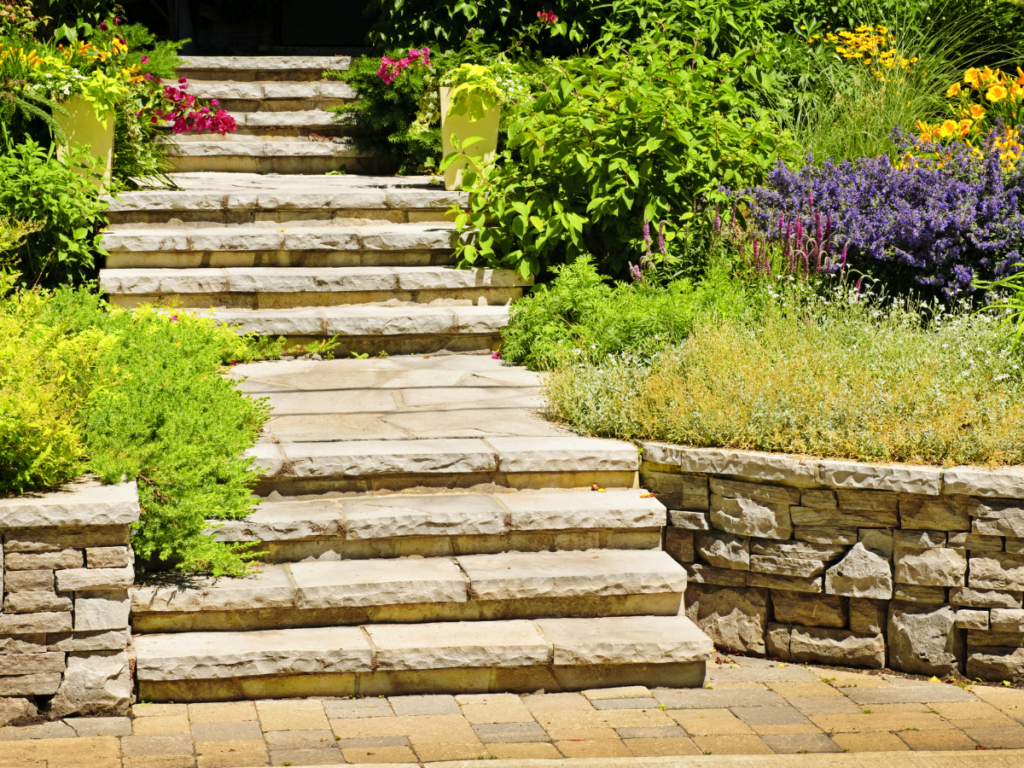
A stone retaining wall is only as strong as its drainage system. While the wall is designed to hold back soil, it must also manage the water that naturally moves through that soil.
Without an effective way for water to escape, pressure builds behind the wall, increasing the risk of leaning, bulging, cracking, or even complete structural failure.
Many retaining wall problems are caused by poor drainage rather than weak materials. Even a professionally built stone retaining wall can develop issues if water is allowed to collect behind it. That’s why drainage should be treated as a core part of the design, not an optional extra.
A properly engineered drainage system protects the wall by reducing hydrostatic pressure, minimizing soil erosion, and keeping the foundation stable throughout changing weather conditions.
Essential Drainage Components for a Long-Lasting Retaining Wall
Most durable retaining walls rely on several drainage elements working together rather than a single solution.
| Drainage Component | Purpose |
|---|---|
| Perforated drain pipe | Collects groundwater and directs it away from the wall. |
| Gravel backfill | Allows water to move freely instead of becoming trapped behind the wall. |
| Filter fabric | Prevents surrounding soil from clogging the drainage stone and pipe. |
| Weep holes (where applicable) | Provide an outlet for excess water in certain wall designs. |
| Proper grading | Directs surface water away from the retaining wall rather than toward it. |
Each component serves a different purpose, creating a drainage system that keeps water moving instead of allowing it to build up behind the structure.
How Perforated Drain Pipes Protect a Stone Retaining Wall
A perforated drain pipe, often installed at the base of the wall behind the first course of stone, is one of the most effective ways to manage groundwater.
As water filters through the gravel backfill, it enters the pipe through small perforations and is safely carried away from the retaining wall. This continuous drainage prevents water pressure from building against the back of the structure after heavy rain or irrigation.
For larger walls or properties with poor drainage, contractors may install multiple drainage outlets to ensure water can exit efficiently.
Why Gravel Backfill Is Better Than Soil
The material placed behind a retaining wall matters just as much as the wall itself.
Compacted native soil tends to trap moisture, increasing pressure against the wall over time. Gravel, on the other hand, creates open spaces that allow water to drain quickly toward the perforated pipe.
Angular crushed stone is typically preferred because it compacts well while still maintaining excellent drainage. This combination helps improve the long-term stability of a stone retaining wall while reducing the likelihood of frost heave and erosion.
When Are Weep Holes Necessary?
Weep holes are small openings built into certain retaining walls that allow trapped water to escape before pressure becomes excessive.
They’re most commonly found in mortared stone walls and concrete retaining walls, where water cannot naturally pass between the materials.
Dry stack stone retaining walls generally provide better natural drainage through small joints between the stones, although they still require proper backfill and drainage behind the wall.
Whether weep holes are necessary depends on the wall’s construction method, height, and site conditions.
Proper Site Grading Completes the Drainage System
Even the best drainage system can struggle if the surrounding landscape directs water toward the retaining wall.
The finished grade should gently slope away from the wall so rainwater flows naturally away from the structure instead of collecting behind it. Downspouts, irrigation systems, and landscape drains should also be positioned to prevent excess water from saturating the retained soil.
During the planning stage, it’s worth considering how water moves across the property during heavy rainfall. Small grading adjustments can significantly reduce future maintenance and help extend the life of the wall.
Drainage Is the Foundation of a Durable Retaining Wall
When homeowners think about building a stone retaining wall, they often focus on the type of stone or the finished appearance. In reality, what’s hidden behind the wall is just as important.
A well-designed drainage system protects the wall from water damage, preserves its structural integrity, and reduces the likelihood of costly repairs.
By combining proper grading, free-draining gravel, perforated drain pipes, and other appropriate drainage features, you can build a retaining wall that remains stable, attractive, and functional for decades.
How to Plan and Budget for a Stone Retaining Wall Project

Building a custom stone retaining wall is a long-term investment that improves both the appearance and functionality of your landscape.
Whether you’re stabilizing a steep slope, preventing erosion, or creating usable outdoor living space, thoughtful planning helps prevent unexpected costs and ensures the finished wall performs as intended for decades.
Rather than focusing solely on the price per square foot, consider the project as a complete system. Site conditions, engineering requirements, drainage, material selection, and installation quality all influence the total cost and long-term value of a stone retaining wall.
Starting with a professional site evaluation is one of the best ways to establish a realistic budget and identify potential challenges before construction begins.
What Should Be Included in Your Project Budget?
A retaining wall estimate typically covers much more than the visible stone. Understanding what goes into the price makes it easier to compare contractor proposals and avoid surprises later.
| Cost Factor | Why It Matters |
|---|---|
| Site preparation | Clearing vegetation, excavation, and grading create a stable foundation. |
| Stone materials | Different stone types vary in price, durability, and appearance. |
| Base and drainage | Gravel, drain pipe, filter fabric, and backfill protect the wall from water damage. |
| Labor | Experienced installers ensure proper construction and long-term stability. |
| Equipment | Excavators and compactors may be needed depending on site access and wall size. |
| Permits and engineering | Some municipalities require permits or engineered plans for taller retaining walls. |
Requesting an itemized estimate allows you to see exactly where your investment is going and compare proposals more accurately.
What Factors Have the Biggest Impact on Installation Costs?
No two retaining wall projects cost exactly the same because every property presents different challenges. The following factors have the greatest influence on the final price.
Wall height and length
Larger walls require more excavation, additional stone, increased drainage capacity, and more labor. Taller walls may also require engineering to meet local building codes.
Site accessibility
A property that’s easy for equipment to reach generally costs less than one with narrow side yards, steep slopes, or limited access. Difficult sites often require additional labor or specialized machinery.
Stone selection
The type of stone you choose significantly affects both appearance and budget. Locally sourced stone is often more affordable than imported materials while still providing excellent durability.
Premium natural stone with unique colors or textures typically carries a higher price but creates a distinctive finished landscape.
Drainage requirements
Proper drainage is one of the most important parts of a successful stone retaining wall. Sites with heavy clay soils, poor drainage, or significant groundwater may require more extensive drainage systems, increasing upfront costs while reducing the risk of expensive future repairs.
Balancing Design Goals With Your Budget
A custom retaining wall should complement the rest of your landscape while meeting practical needs.
During the planning stage, prioritize the features that matter most. You may choose premium stone for highly visible areas while using more economical materials elsewhere. Wall shape, capstones, integrated seating, lighting, and landscaping can also influence the overall investment.
Working with an experienced landscape designer or contractor helps identify opportunities to maximize visual impact without exceeding your budget. In many cases, thoughtful design decisions create a more attractive result than simply choosing the most expensive materials.
Don’t Overlook Permits and Local Requirements
Depending on your location, a retaining wall may require permits, inspections, or engineered drawings before construction begins. Requirements often depend on factors such as wall height, proximity to property lines, drainage changes, and soil conditions.
An experienced contractor familiar with local regulations can determine whether permits are required and help ensure the project complies with applicable building codes.
Planning for these requirements early helps prevent delays once construction is underway.
Think Beyond the Initial Construction Cost
While it’s natural to focus on the upfront price, the least expensive option isn’t always the best long-term value.
A properly designed stone retaining wall built with quality materials, a solid foundation, and effective drainage generally requires less maintenance and is far less likely to develop structural problems. Investing in professional installation can reduce future repair costs while extending the life of the wall.
Research comparing common retaining wall systems has also found that some natural stone and gravity wall designs perform well when both environmental impact and long-term economic value are considered.
Although initial installation costs may be higher than some alternatives, durability and lower maintenance requirements often improve overall value over the life of the project.
By understanding the factors that influence cost and planning accordingly, homeowners can build a stone retaining wall that fits their budget while delivering lasting structural performance and timeless curb appeal.
What Should Homeowners Know About Atlanta Retaining Wall Permit Requirements?
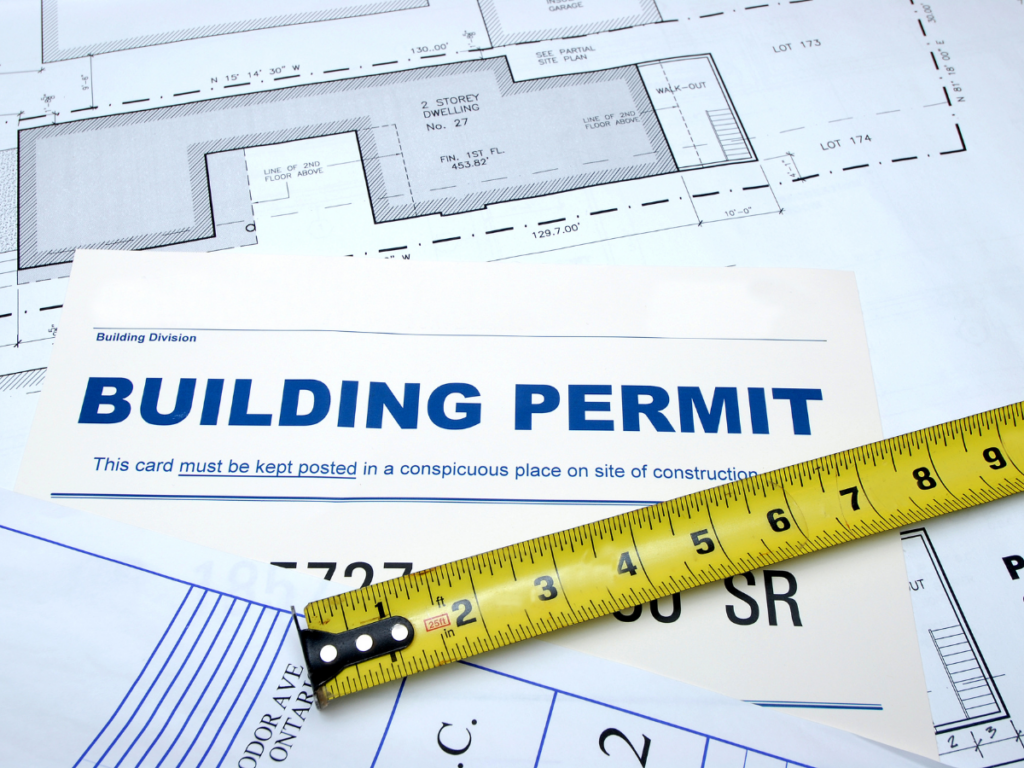
Building a stone retaining wall involves more than selecting materials and hiring a contractor. Depending on the size, location, and purpose of the wall, your project may also need permits, inspections, or engineering approval before construction begins.
Understanding these requirements early helps prevent costly delays, failed inspections, or the need to modify completed work.
While permit rules vary by municipality within the Atlanta metro area, most local governments follow similar guidelines for retaining walls that affect safety, drainage, or neighboring properties.
If you’re planning a stone retaining wall as part of a new landscape design or slope stabilization project, it’s worth discussing permitting requirements during the planning phase rather than after construction has started.
When Is a Permit Required for a Stone Retaining Wall?
Permit requirements are typically based on factors beyond just the wall’s height. Local building departments may also consider where the wall is located and how it affects the surrounding property.
A permit may be required if your retaining wall:
- Exceeds the maximum height allowed without permitting under local building codes.
- Supports a driveway, parking area, structure, or other significant load.
- Is built close to a property line or public right-of-way.
- Changes existing drainage patterns or stormwater runoff.
- Is part of a larger grading or landscape construction project.
Because regulations differ between Atlanta and surrounding cities and counties, homeowners should always verify the specific requirements with their local permitting authority before construction begins.
Why Engineering Is Often Required for Taller Retaining Walls
As retaining walls increase in height, the amount of pressure from the soil behind them rises significantly. Taller walls often require a structural design prepared or reviewed by a licensed engineer to ensure they can safely withstand these loads.
An engineered design may include recommendations for:
- Foundation dimensions
- Drainage systems
- Backfill materials
- Reinforcement methods
- Wall batter or setback
- Load calculations based on site conditions
These requirements aren’t simply administrative. They help ensure the stone retaining wall performs safely over time, especially on steep slopes or properties with challenging soil conditions.
Site Conditions Can Affect Permit Requirements
Every property is different, which means two retaining walls of similar size may have different approval requirements.
Factors that local officials or engineers often evaluate include:
| Site Factor | Why It Matters |
|---|---|
| Soil type | Influences drainage and foundation stability. |
| Slope steepness | Steeper grades place greater pressure on the wall. |
| Drainage patterns | Poor drainage increases hydrostatic pressure. |
| Property boundaries | Setback requirements may apply near lot lines. |
| Existing structures | Nearby buildings or driveways can affect design requirements. |
A site assessment early in the planning process helps identify these issues before construction begins.
Working With an Experienced Contractor Simplifies the Process
Professional retaining wall contractors are typically familiar with local permitting procedures and can help coordinate much of the approval process.
Depending on the project, they may assist with:
- Preparing construction drawings
- Coordinating engineering plans when required
- Submitting permit applications
- Scheduling required inspections
- Ensuring the finished wall complies with local building codes
This expertise can save homeowners considerable time while reducing the risk of costly mistakes.
Plan for Permits Before Construction Begins
Permits are often viewed as an inconvenience, but they’re designed to protect homeowners by ensuring retaining walls are built safely and according to current standards. A properly permitted stone retaining wall is also less likely to create issues during future property sales or insurance claims.
If your project requires approvals, build that time into your overall construction schedule. Waiting for permits before excavation begins is almost always faster and less expensive than correcting work that doesn’t meet code.
By understanding local regulations, working with qualified professionals, and confirming requirements before breaking ground, homeowners can move forward with confidence and build a stone retaining wall that is attractive, durable, and fully compliant with Atlanta-area building standards.
Conclusion
A natural stone retaining wall can add lasting beauty, structural support, and increased value to your landscape while helping manage slopes and prevent soil erosion.
When designed and installed correctly, these walls provide both functional stability and timeless curb appeal that complements a wide range of outdoor spaces.
Whether you’re enhancing an existing landscape or planning a complete outdoor transformation, working with experienced professionals can ensure durable, high-quality results. For expert retaining wall construction and custom landscape design, choose Legacy Landscape Design.
If you’re ready to enhance your property with a professionally built natural stone retaining wall, call 770-427-2026 to speak with the team at Legacy Landscape Design or fill out the form on our website to get started today.