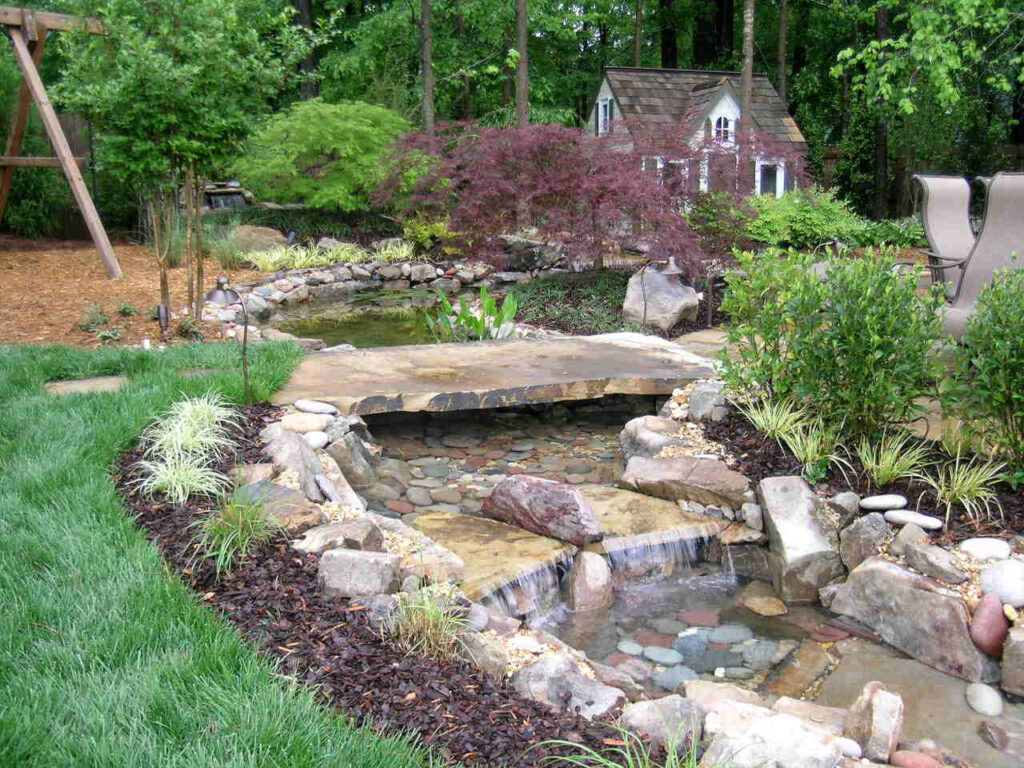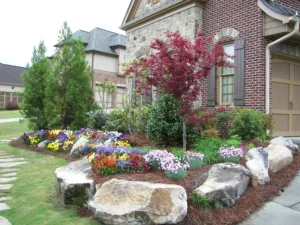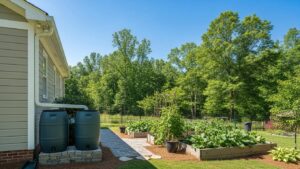
A thriving garden rarely comes from doing the same maintenance every month. Plants move through periods of active growth, flowering, heat stress, dormancy, and recovery, which means the work that helps your landscape in April may be completely different from what it needs in August or December.
Following seasonal garden care tips for Atlanta homeowners can make it easier to time essential tasks such as pruning, fertilizing, mulching, watering, planting, and soil preparation. Instead of reacting when plants begin struggling, you can anticipate what the garden is likely to need as conditions change.
A season-by-season approach also helps distribute maintenance throughout the year. With the right tasks completed at the right time, homeowners can support healthier plants, reduce unnecessary work, and keep gardens looking cared for beyond the peak growing season.
A Year-Round Garden Care Guide for Atlanta Landscapes
What Should You Check Before Starting Garden Care?
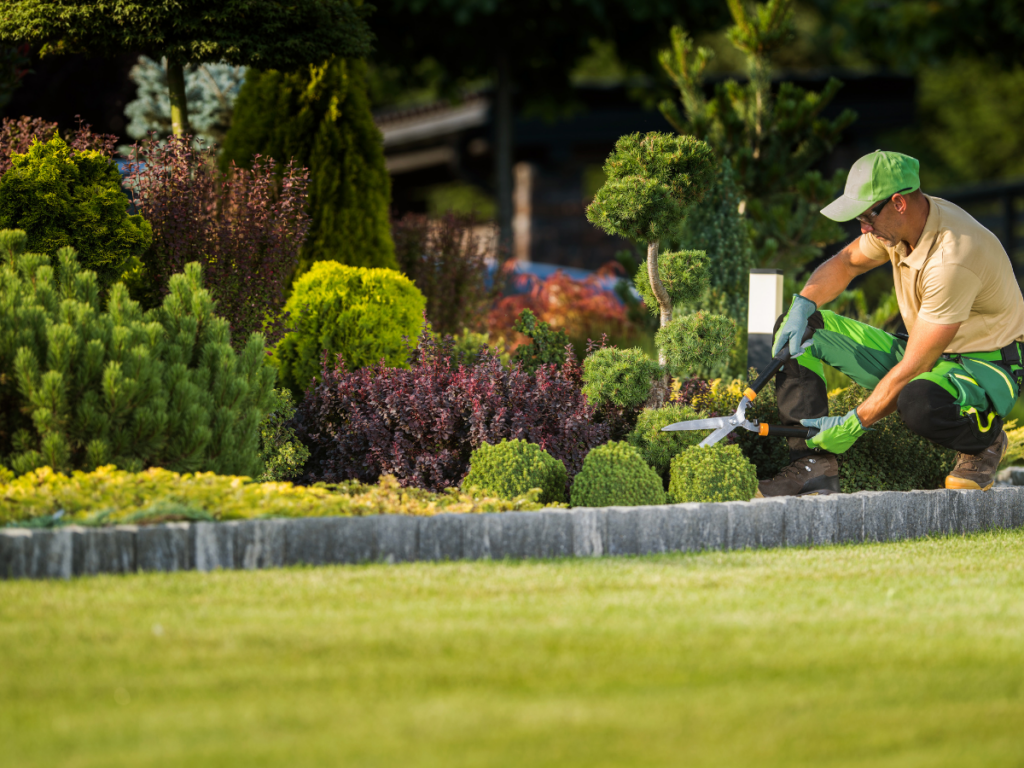
Good garden care starts with understanding the condition of the yard before you begin pruning, planting, fertilizing, or buying new plants. Tools matter, but they are only part of the preparation. Soil condition, sunlight, drainage, irrigation, and seasonal timing all affect what will actually work.
A few minutes spent evaluating the property can prevent wasted effort later. If a bed stays soggy after rain, for example, adding more plants without addressing drainage may create the same problem again.
If the soil is compacted or deficient in nutrients, fertilizing blindly may not solve it. The strongest garden care plans begin with observation first and action second.
Start With a Walk-Through of the Property
Before doing any seasonal work, walk the yard and note what has changed. Look for bare patches, compacted areas, standing water, erosion, damaged branches, struggling shrubs, weeds, pest activity, and plants that have outgrown their space.
Pay attention to where sunlight falls during different parts of the day, since conditions may have changed as trees and shrubs matured. This first pass helps separate cosmetic issues from underlying problems.
A thin planting bed may simply need fresh mulch and pruning, while repeated plant loss in the same area may point to poor drainage, unsuitable light, or soil conditions that need to be addressed first.
Homeowners planning more substantial changes can also use a broader garden design assessment to think about plant placement, circulation, long-term growth, and how individual beds fit into the overall landscape.
Test the Soil Before Adding Amendments
Soil testing is one of the more useful starting points for garden care because it replaces guesswork with actual information. A routine test can provide soil pH and nutrient data, which helps determine whether lime, fertilizer, or other amendments are needed.
Many Georgia soils tend to have low pH or nutrient deficiencies, but that does not mean every garden needs the same correction. Testing is more useful than assuming a universal target or adding products based only on appearance.
Sample different growing areas separately when their conditions or uses differ. A lawn, vegetable bed, and ornamental planting area may need different recommendations.
Soil testing is especially useful before major planting, because amendments are easier to incorporate before roots and mulch are in the way.
Check Drainage Before You Plant
Water problems can undermine even a well-planned garden. After a heavy rain, look for puddling, runoff channels, washed-out mulch, exposed roots, or areas that remain saturated long after the rest of the yard has dried. Those signs may indicate grading or drainage problems rather than a simple plant-care issue.
The solution depends on the site. Some areas may benefit from improved soil structure, while others need changes to grading, swales, drains, or how runoff moves through the property. Legacy’s current grading and drainage guidance emphasizes evaluating slope, soil, and water flow before choosing a solution.
Ignoring drainage can lead to repeated replanting, root stress, erosion, and muddy areas that never seem to improve.
Inspect Irrigation and Watering Habits
Before increasing watering for the season, check whether the system is actually delivering water where it is needed. Look for broken sprinkler heads, clogged emitters, overspray onto pavement, dry zones, and areas receiving more water than surrounding beds.
Drip lines can shift or become blocked, while sprinkler patterns may no longer match plant growth after several seasons. Watering schedules should also change with weather, plant establishment, and season rather than remaining fixed year-round.
Newly planted shrubs and perennials generally need different attention than established plants with deeper root systems. The goal is not to water everything equally, but to match water delivery to the plants and site conditions.
Service Tools Before Seasonal Work Begins
Once the yard itself has been assessed, check the tools you will actually use. Clean and sharpen pruners and loppers, inspect mower blades, replace damaged handles, charge battery-powered equipment, and confirm that hoses and irrigation fittings are not leaking.
Dirty or dull cutting tools can make pruning more difficult and leave ragged cuts. Avoid treating tool maintenance as an afterthought. Garden care becomes slower and more frustrating when equipment fails halfway through the work.
Build the Schedule Around the Plants, Not the Calendar Alone
A seasonal garden plan is useful, but it should not become a rigid checklist. Different plants have different pruning windows, bloom cycles, heat tolerance, and establishment needs.
Weather also varies from year to year, so a task that made sense in early March one season may need to move later in another.
Legacy’s spring garden planning guidance reflects this broader approach by combining soil preparation, plant selection, drainage, and seasonal timing rather than treating spring as a single maintenance event.
Before starting garden care, the most useful question is not simply “What should I do this month?” It is “What does this particular yard need right now?” Once soil, drainage, light, water, tools, and plant condition are understood, the seasonal work becomes much easier to prioritize.
Seasonal Garden Care for Atlanta Yards
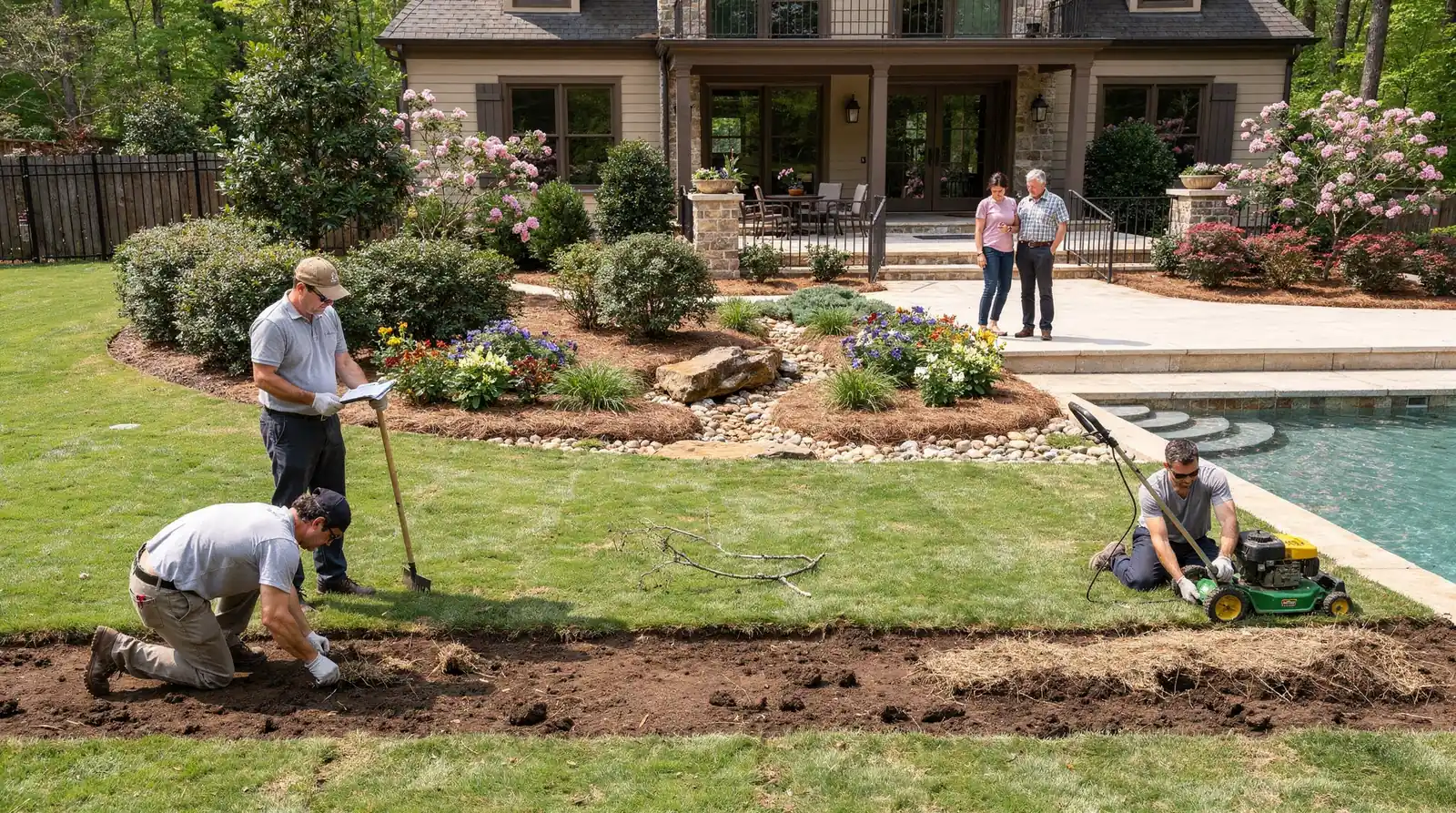
Atlanta landscapes do not follow one universal maintenance calendar. Turf type, plant selection, rainfall, temperature, and the age of the landscape all affect when work should happen.
A warm-season lawn such as bermudagrass has different needs from tall fescue, and a spring-flowering shrub should not be pruned on the same schedule as a summer-blooming one.
A useful garden care calendar therefore works as a seasonal framework rather than a rigid list of dates. The goal is to match maintenance to what plants are doing at that point in the year and adjust when weather conditions shift.
Spring: Clean Up, Inspect, and Prepare for Active Growth
Spring is a transition period. Start by removing storm debris, inspecting plants for winter damage, refreshing mulch where needed, and checking irrigation before hotter weather increases water demand.
Avoid rushing into heavy pruning simply because temperatures are warming. Pruning time depends on the plant. Spring-flowering shrubs generally form their flower buds earlier and are commonly pruned after flowering if shaping is needed. Plants that flower on new growth may be handled differently.
Lawns also need species-specific care. Warm-season grasses begin active growth as soil temperatures rise, while tall fescue follows a different seasonal cycle. Mowing should begin based on actual growth rather than an arbitrary calendar date.
Spring is also a good time to revisit weeds, bare spots, drainage problems, and areas where plants did not perform well the previous year. Those observations can guide the rest of the season instead of treating cleanup as an isolated task.
Summer: Focus on Water, Heat Stress, and Monitoring
Atlanta summers make moisture management one of the most important parts of garden care. Watering deeply and less frequently is generally preferable to repeatedly wetting only the soil surface, although newly installed plants may require more frequent attention while roots establish.
Early morning is usually a practical watering window because less water is lost to daytime heat and foliage has time to dry. Legacy’s guidance on drought-resistant landscaping also emphasizes adjusting irrigation to actual soil moisture rather than relying blindly on a fixed schedule.
During hot periods, monitor plants before automatically increasing fertilizer or pruning. Wilting, scorched leaves, insect damage, root problems, and dry soil can produce similar-looking symptoms but may require very different responses.
Mulch can help moderate soil temperature and conserve moisture, but keep it away from direct contact with trunks and stems rather than piling it deeply around plant bases.
Fall: Match Lawn Work to the Grass You Grow
Fall lawn care varies significantly by turf species. Tall fescue is a cool-season grass, so fall is typically an important period for establishment and renovation.
Warm-season grasses such as bermuda and zoysia are moving toward dormancy instead, which means homeowners should not assume that overseeding, fertilizing, or aerating every lawn in September is automatically appropriate.
Core aeration can be valuable when soil is genuinely compacted, but timing should correspond with active growth so turf can recover. Dethatching is also a corrective task for excessive thatch, not something every yard needs each year.
Legacy’s current fall lawn care guidance discusses aeration, overseeding where appropriate, watering, leaf management, and soil testing as separate decisions rather than a single routine for all North Georgia lawns.
Fall is also an excellent time to evaluate ornamental beds. Cooler temperatures can reduce transplant stress for many landscape plants, while still-warm soil can support root establishment. Plant suitability, local conditions, and expected frost timing should guide the exact planting window.
Winter: Use Dormancy for Planning and Selective Pruning
Winter does not mean garden care stops. It is a useful period for inspecting trees and shrubs, cleaning tools, checking drainage after heavy rain, planning new beds, and preparing for spring planting.
Some deciduous trees and shrubs can also be pruned during dormancy, but pruning should still be species-specific.
Summer-flowering shrubs that bloom on new wood are often pruned in late winter or early spring before active growth. Crape myrtles, for example, generally do not need severe annual cutting.
Structural pruning should focus on dead, damaged, crossing, or poorly positioned branches rather than removing large portions of healthy growth simply because the calendar says it is time.
Cold weather also changes irrigation needs. Established landscapes usually require less frequent watering than in summer, but newly planted material and evergreens can still need moisture during dry stretches.
Adjust the Calendar When Weather Changes
Seasonal schedules are useful starting points, not guarantees. UGA Extension planting guidance uses approximate dates because conditions vary across Georgia and from year to year.
Warm-season vegetables such as okra, corn, and pole and lima beans are primarily spring and summer crops, with some second plantings possible in midsummer for a fall harvest. They should not be described broadly as crops to plant at the beginning of fall.
Rainfall, frost timing, heat, soil temperature, and plant development should always influence the final decision. A dry April may require irrigation earlier than expected, while an unusually warm autumn may extend some maintenance windows.
The strongest garden care routine is therefore seasonal without being rigid. Use spring for assessment and active-growth preparation, summer for moisture and stress management, fall for species-specific lawn and planting work, and winter for planning, inspection, and appropriate dormant-season tasks.
That approach is more reliable than trying to force every Atlanta yard through the same calendar.
Common Garden Care Mistakes Atlanta Homeowners Should Avoid
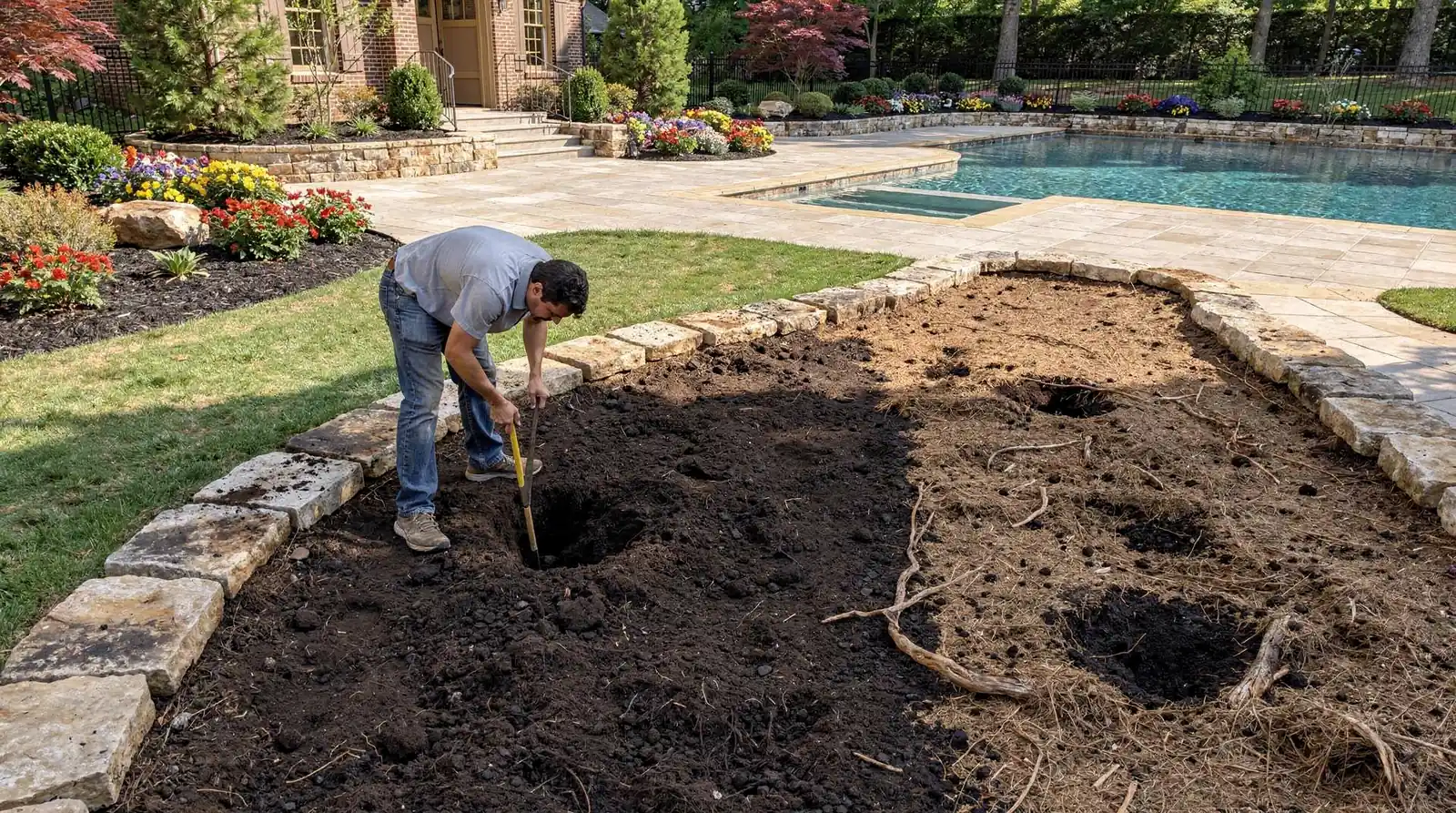
Many garden problems are blamed on heat, insects, or difficult soil when the real issue started with a maintenance decision made weeks or months earlier.
Overwatering, unnecessary soil amendments, incorrect pruning, and poorly applied mulch can all create problems that become more obvious as the growing season progresses.
Good garden care is less about doing more work and more about doing the right work at the right time. Before treating a struggling plant or adding another product to the soil, look for the underlying cause and consider whether the maintenance routine itself needs to change.
Amending Soil Without Knowing What It Needs
Adding lime, fertilizer, compost, or other amendments without testing first can create new problems rather than solving existing ones. A soil test provides information about pH and nutrient levels, helping homeowners determine whether amendments are actually necessary.
Georgia soils can vary considerably even within the same property, particularly where construction, erosion, imported fill, or years of previous landscaping have altered the soil.
Do not assume every bed needs lime because Georgia soils are often acidic. Lime raises soil pH, so applying it where it is not needed can move the soil farther away from the range preferred by the plants growing there.
The same principle applies to fertilizer. Pale leaves or weak growth may be related to nutrients, but they can also result from poor drainage, damaged roots, insufficient light, pests, or watering problems. Testing first helps narrow down the possibilities instead of treating symptoms blindly.
Applying Too Much Mulch Around Plants
Mulch is useful, but more is not necessarily better. A suitable layer can reduce evaporation, moderate soil temperature, limit weed growth, and protect soil from erosion. Problems arise when fresh mulch is repeatedly piled over old layers until beds become excessively deep.
Keep mulch away from direct contact with tree trunks and the crowns or stems of shrubs and perennials. Piling it into a mound around a trunk can hold moisture against the bark and create conditions that are unfavorable for the plant.
Before adding another layer, check how much mulch remains from the previous application. Legacy’s information on mulching and edging discusses maintaining an appropriate layer rather than simply adding more material each season.
Pruning Everything on the Same Schedule
One pruning calendar does not work for every shrub. Some flowering plants set their buds on growth produced during the previous season. Pruning those plants before they bloom may remove much of the year’s flower display. Others flower on new growth and can often be pruned before spring growth begins.
UGA Extension, for example, recommends pruning plants such as azaleas, bigleaf hydrangeas, forsythia, and climbing roses after flowering. Crape myrtles, glossy abelia, rose-of-Sharon, floribunda roses, and several other plants are generally placed in the group pruned before spring growth begins.
That makes plant identification an important part of garden care. If you do not know what the shrub is or whether it flowers on old or new wood, identifying it first is safer than pruning by month alone.
Treating Every Rose the Same Way
Even roses need different pruning approaches. Hybrid tea and grandiflora roses are commonly pruned in late winter or early spring as buds begin to swell.
UGA notes that this can occur around mid-February in southern Georgia and closer to mid-March in northern parts of the state. Climbing roses, by contrast, are generally pruned after their first flush of bloom.
Pruning should also begin with dead, diseased, damaged, or weak growth rather than simply cutting every cane back to the same height.
The variety, age, growth habit, and purpose of the rose all matter. A rigid pruning date is less useful than understanding how that particular rose grows and flowers.
Watering on a Fixed Schedule Regardless of Conditions
A sprinkler timer can make watering convenient, but it should not replace observation. Rainfall, soil type, shade, temperature, plant maturity, and root depth all change how quickly soil dries. A bed that needs supplemental irrigation during a hot, dry week may need none after several days of rain.
Check the soil before automatically adding more water. Wilting alone is not always proof that a plant is dry because waterlogged roots can also interfere with normal water uptake.
New plants generally require closer monitoring while roots establish, while mature shrubs and trees may be able to draw moisture from a much larger soil volume. Matching irrigation to actual conditions can reduce both drought stress and problems associated with persistently wet soil.
Ignoring the Conditions Around a Struggling Plant
Replacing a plant repeatedly without asking why it failed is one of the more expensive garden care mistakes.
If the same location consistently produces weak growth, consider sunlight, drainage, soil compaction, irrigation coverage, mature plant competition, and available rooting space before installing another plant of the same type.
A shade-loving plant will not become healthier because it receives more fertilizer in full afternoon sun. Likewise, a plant that requires well-drained soil may continue to decline if its roots remain saturated after every storm.
The most effective response is often to correct the site condition or choose a plant better adapted to it.
Assuming More Maintenance Always Produces a Better Garden
Overworking a garden can be just as harmful as neglecting it. Excessive pruning, frequent fertilizer applications, constant watering, and unnecessary soil disturbance can interfere with natural plant growth and create additional maintenance.
Strong garden care is based on observation and selective intervention. Test before amending, identify plants before pruning, check soil before watering, and determine why a problem is occurring before trying to fix it.
That approach may involve fewer tasks, but each task has a clearer purpose. Over time, avoiding unnecessary interventions can make a landscape easier to maintain while giving plants conditions that better match the way they naturally grow.
How Can You Tell What Your Garden Actually Needs?
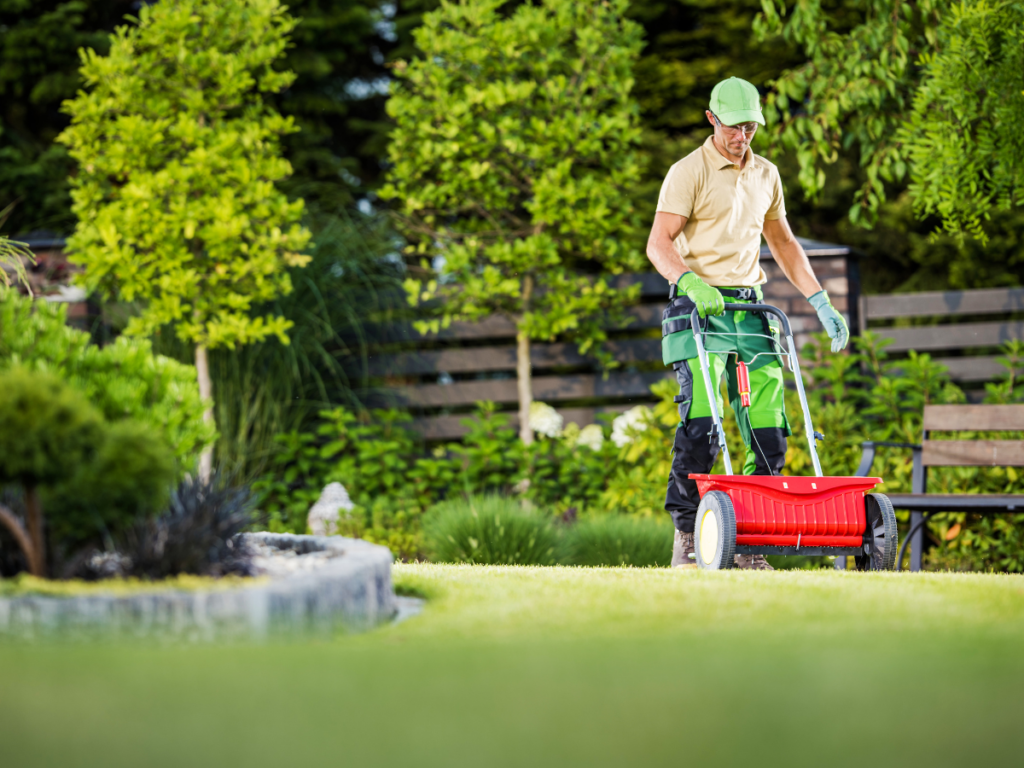
A struggling plant does not always tell you what is wrong. Yellow leaves can appear with too much water, too little water, nutrient problems, root stress, or normal seasonal change. Wilting can mean dry soil, but plants with damaged or waterlogged roots may wilt too.
That is why effective garden care starts with diagnosis rather than treatment. Before adding fertilizer, increasing irrigation, pruning harder, or replacing a plant, look for patterns that can help narrow down the cause.
Check the Soil Before Assuming a Plant Needs Water
When a plant wilts, watering is often the first reaction. Before reaching for the hose, check the soil several inches below the surface where the roots are growing.
Dry soil supports one explanation. Constantly wet soil points somewhere else and may indicate poor drainage, excessive irrigation, or another root-zone problem. Surface conditions alone can be misleading because mulch may look dry while the soil underneath remains moist.
Pay attention to how quickly the area dries after rain or irrigation. If the same spot stays wet much longer than surrounding beds, the issue may have more to do with drainage or soil structure than insufficient watering.
Look for Patterns Across the Yard
A single struggling plant and an entire row of struggling plants tell different stories. If one shrub declines while identical plants beside it remain healthy, investigate that particular plant for root damage, pests, planting depth, physical injury, or a localized soil problem.
If an entire bed begins showing similar symptoms at the same time, look for a shared cause such as irrigation coverage, drainage, weather stress, or a maintenance treatment applied to the whole area.
Lawn problems can be evaluated the same way. Circular patches, thin areas under trees, strips along pavement, and uniformly declining turf each suggest different possibilities.
The pattern does not provide a diagnosis by itself, but it tells you where to look next.
Check Irrigation Coverage Before Increasing the Schedule
Dry areas do not always mean the entire landscape needs more water. A clogged sprinkler head, shifted spray pattern, broken emitter, pressure problem, or plant growth blocking a sprinkler can leave one section dry while another receives too much.
Increasing the run time may make the wet areas wetter without correcting the original problem. Watch the irrigation system while it runs and look for uneven spray, runoff, overspray onto pavement, leaks, and areas that receive little or no water.
Legacy’s information on sprinkler system design and irrigation coverage explains how plant type, soil conditions, pressure, and sprinkler placement affect how evenly water reaches a landscape. Correcting coverage is usually more useful than simply adding minutes to every irrigation zone.
Consider Whether the Plant Fits the Site
Sometimes the maintenance routine is not the problem. The plant itself may simply be poorly matched to the location.
Look at how much direct sun the area receives, whether the soil stays wet or dries quickly, how exposed the site is to afternoon heat, and how much room the plant has as it matures. Trees and large shrubs can also change conditions over time by casting more shade or competing for water.
A plant that repeatedly struggles in the same location may need to be moved or replaced rather than fertilized more aggressively.
When choosing replacements, start with plants suited to the site’s actual conditions. Options such as native shrubs for Georgia landscapes can be evaluated according to sunlight, moisture, mature size, and other site requirements rather than appearance alone.
Know When Soil Testing Is More Useful Than Fertilizer
Poor color or weak growth does not automatically mean a plant needs feeding.
If several plants are underperforming without an obvious irrigation, light, pest, or drainage issue, a soil test can help determine whether pH or nutrient levels deserve attention. This is more reliable than adding fertilizer simply because plants appear pale.
Testing is particularly useful when a problem affects an entire bed or lawn area, when amendments have been applied repeatedly in the past, or when new planting is planned.
Apply amendments based on an identified need rather than as a general response to stressed plants.
Separate Cosmetic Damage From an Ongoing Problem
Not every damaged leaf requires intervention. Plants naturally shed older foliage, storms can tear leaves, heat can scorch exposed growth, and minor insect feeding may leave cosmetic marks without threatening the plant.
Before treating anything, check whether the damage is continuing, spreading, or affecting new growth. Photographs can help when symptoms change slowly. Take a picture, note the date, and compare the plant a week or two later.
A stable plant with a few damaged leaves may need observation rather than treatment, while rapidly expanding symptoms deserve closer investigation.
Know When the Problem Has Moved Beyond Routine Garden Care
Some issues become difficult to diagnose from the surface. Repeated plant loss, widespread decline, persistent standing water, significant erosion, failing irrigation, or problems affecting mature trees may require a broader site assessment.
At that point, the question is not simply which product to apply. Soil conditions, drainage, grading, irrigation, plant placement, and previous landscape decisions may all be interacting.
Good garden care does not mean reacting to every symptom immediately. It means gathering enough information to choose the right response.
Check moisture before watering, look for patterns before treating pests or disease, evaluate the site before replacing plants, and test before adding amendments. The better the diagnosis, the less likely you are to spend time and money solving the wrong problem.
Frequently Asked Questions About Garden Care in Atlanta
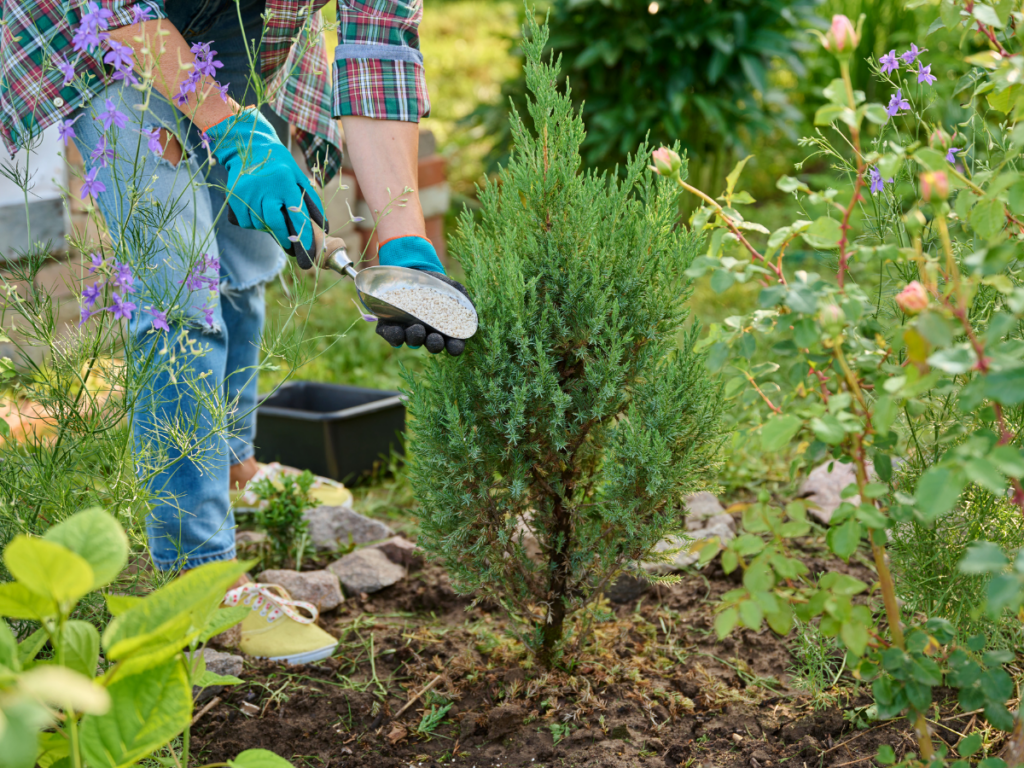
When Should Summer-Blooming Shrubs Be Pruned in Atlanta?
Many summer-flowering shrubs that bloom on new growth are best pruned before spring growth begins rather than after they finish flowering.
In Georgia, this group includes crape myrtle, glossy abelia, chaste tree, and rose-of-Sharon. UGA Extension generally places these plants in the late-winter to early-spring pruning window.
That does not mean every shrub should be cut back heavily each year. Crape myrtles, in particular, often need little more than removal of dead, crossing, damaged, or poorly positioned growth. Severe annual topping can produce weak shoots and an unnatural form.
Spring-flowering shrubs follow a different schedule because many form flower buds on older growth. Azaleas, forsythia, and similar plants are generally pruned after they bloom so the next flower display is not removed accidentally.
When Does Lawn Mowing Season Start in Atlanta?
There is no single April start date that applies to every Atlanta lawn. Mowing should begin when the grass is actively growing and has reached the appropriate height for its species.
Warm-season grasses such as bermuda and zoysia generally begin growing as temperatures rise in spring, while cool-season tall fescue has a different growth cycle. The mowing height also varies by turf type, so identifying the grass before setting the mower is more useful than following one calendar date.
It is also unnecessary to aerate and dethatch every lawn before the first mowing. Aeration is most useful when soil is compacted and should be timed to the turf’s active growing period. Dethatching is a corrective treatment for excessive thatch rather than a required annual step.
For more species-specific seasonal guidance, spring lawn maintenance in North Fulton provides additional context on mowing, fertilization, and weed management for local conditions.
How Often Should Garden Beds Be Watered?
Garden beds should be watered according to soil moisture, weather, plant type, and how established the plants are rather than on a fixed daily schedule.
Newly installed plants usually require closer monitoring while their root systems establish. Mature plants may need supplemental water mainly during extended dry periods, although requirements vary considerably by species and location.
Before watering, check the soil below the mulch rather than judging moisture from the surface alone. If the root zone is still moist, adding more water may be unnecessary. Persistent wetness can be just as problematic as drought for plants that require well-drained conditions.
How Much Mulch Should You Add Each Year?
Do not assume that every bed needs a completely new layer of mulch each spring. Check what remains from the previous application first.
Mulch naturally decomposes over time, so some areas may need topping up while others already have enough coverage. Continually adding new material without checking depth can create excessively deep beds.
Keep mulch away from direct contact with tree trunks and plant crowns. The goal is to cover the soil, reduce evaporation, suppress weeds, and moderate soil temperatures without burying the base of the plant.
Should You Fertilize Whenever Plants Look Yellow?
Not necessarily. Yellow foliage can result from nutrient deficiencies, but it can also be associated with excessive moisture, dry soil, unsuitable pH, root stress, pests, disease, inadequate sunlight, or normal seasonal changes.
Look at the entire plant and surrounding conditions before applying fertilizer. If several plants in the same area are declining and there is no obvious irrigation or drainage problem, a soil test can help determine whether nutrient levels or pH need attention.
Good garden care relies on identifying the cause before choosing the treatment. Adding fertilizer to a plant that is struggling because its roots are waterlogged will not correct the underlying problem.
When Is the Best Time to Add New Plants in Atlanta?
The best planting window depends on what you are planting. Trees, shrubs, perennials, annuals, turf, and vegetables all have different temperature and establishment requirements.
For many landscape trees and shrubs, the cooler conditions of fall can provide a useful establishment period because roots can continue developing while heat stress is reduced.
Spring is also a major planting season, particularly when plants need a full growing season to establish. Regardless of the calendar, avoid planting solely because a particular month has arrived. Consider expected heat, frost risk, soil moisture, irrigation availability, and the requirements of the individual plant.
How Can You Tell Whether a Plant Is Dead or Just Dormant?
A leafless plant is not automatically dead, particularly during winter or early spring.
Check several parts of the plant rather than relying on appearance alone. Flexible stems, healthy buds, and green tissue beneath a small scraped section of bark can indicate that a deciduous plant is still alive. Dead branches are often brittle and dry throughout.
Avoid cutting an entire plant to the ground simply because new leaves have not appeared as quickly as expected. Different species break dormancy at different times, and weather can delay spring growth.
When Does a Garden Problem Need Professional Help?
Routine garden care such as weeding, light pruning, mulching, watering, and basic plant monitoring is manageable for many homeowners. Professional evaluation becomes more useful when the problem involves the landscape as a system rather than one isolated plant.
That may include repeated plant failure in the same location, widespread drainage problems, erosion, mature tree concerns, major irrigation issues, extensive redesign, or a garden that no longer works as plants reach their mature size.
At that point, the solution may involve more than maintenance. Landscape design, grading, plant selection, irrigation, and hardscape placement can all affect one another, which is why a broader landscape services assessment may be more useful than continuing to treat each symptom separately.
What Is the Most Important Rule for Year-Round Garden Care?
Pay attention to conditions rather than following a calendar blindly. Seasonal schedules are useful reminders, but weather, plant species, soil conditions, rainfall, and the age of the landscape should determine what actually needs to be done.
A warm February, wet spring, or unusually dry autumn can shift the timing of normal maintenance considerably.
Consistent garden care comes from observing the yard, checking before treating, and matching each task to an actual need. That approach reduces unnecessary work and makes it easier to notice genuine problems before they become larger ones.
Conclusion
Seasonal garden care can help Atlanta landscapes stay healthy, attractive, and better prepared for changing weather throughout the year.
Adjusting watering, pruning, mulching, fertilizing, and planting practices as conditions change gives plants the support they need without relying on the same routine every season.
Regular attention can also make it easier to spot drainage problems, stressed plants, pests, and other concerns before they become more difficult to manage. For professional landscape design and customized garden solutions, choose Legacy Landscape Design.
If you’re ready to keep your landscape looking its best through every season, call 770-427-2026 to speak with the team at Legacy Landscape Design or fill out the form on their website to get started today.